
Writes Sid E. (L6th)
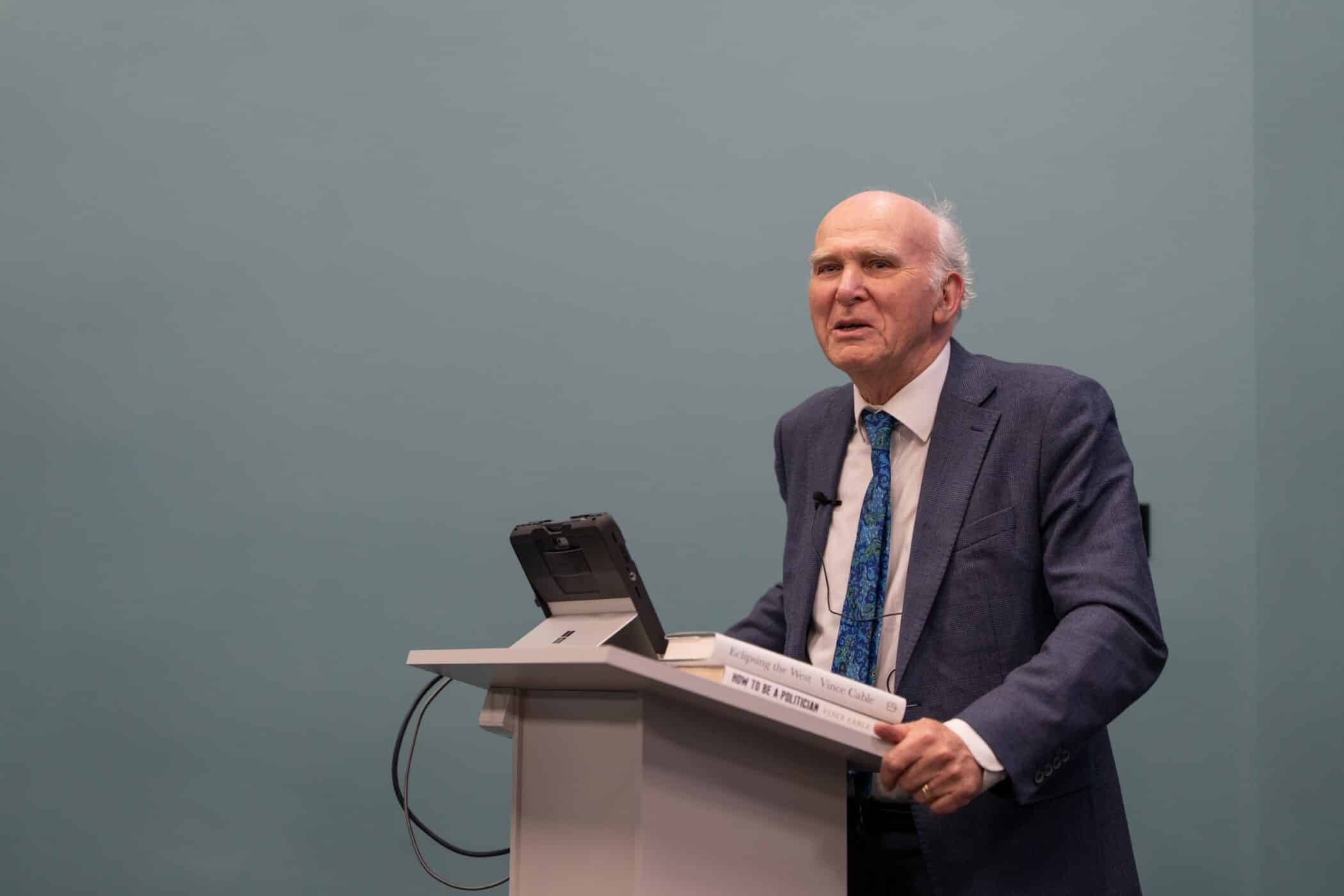
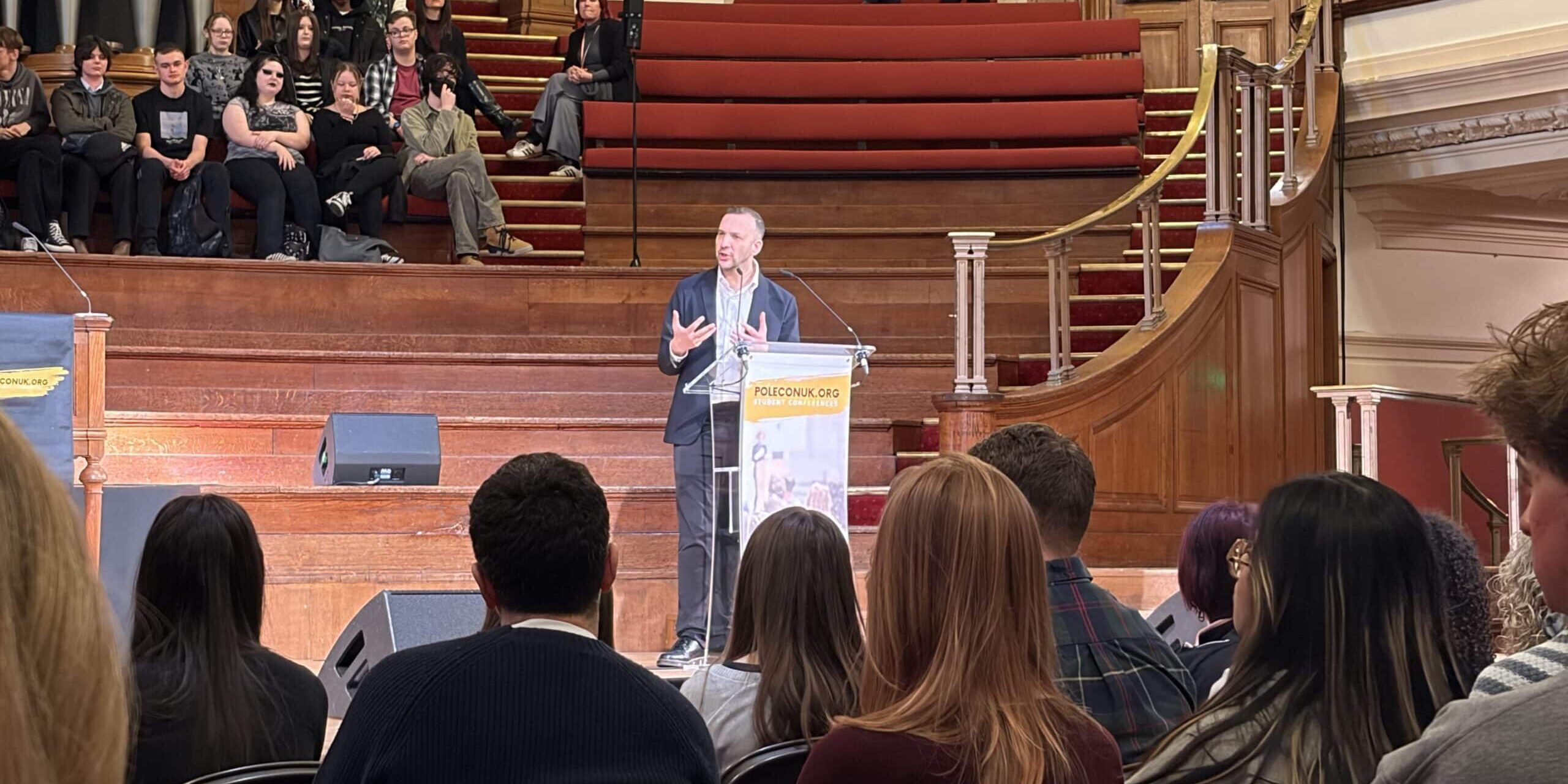
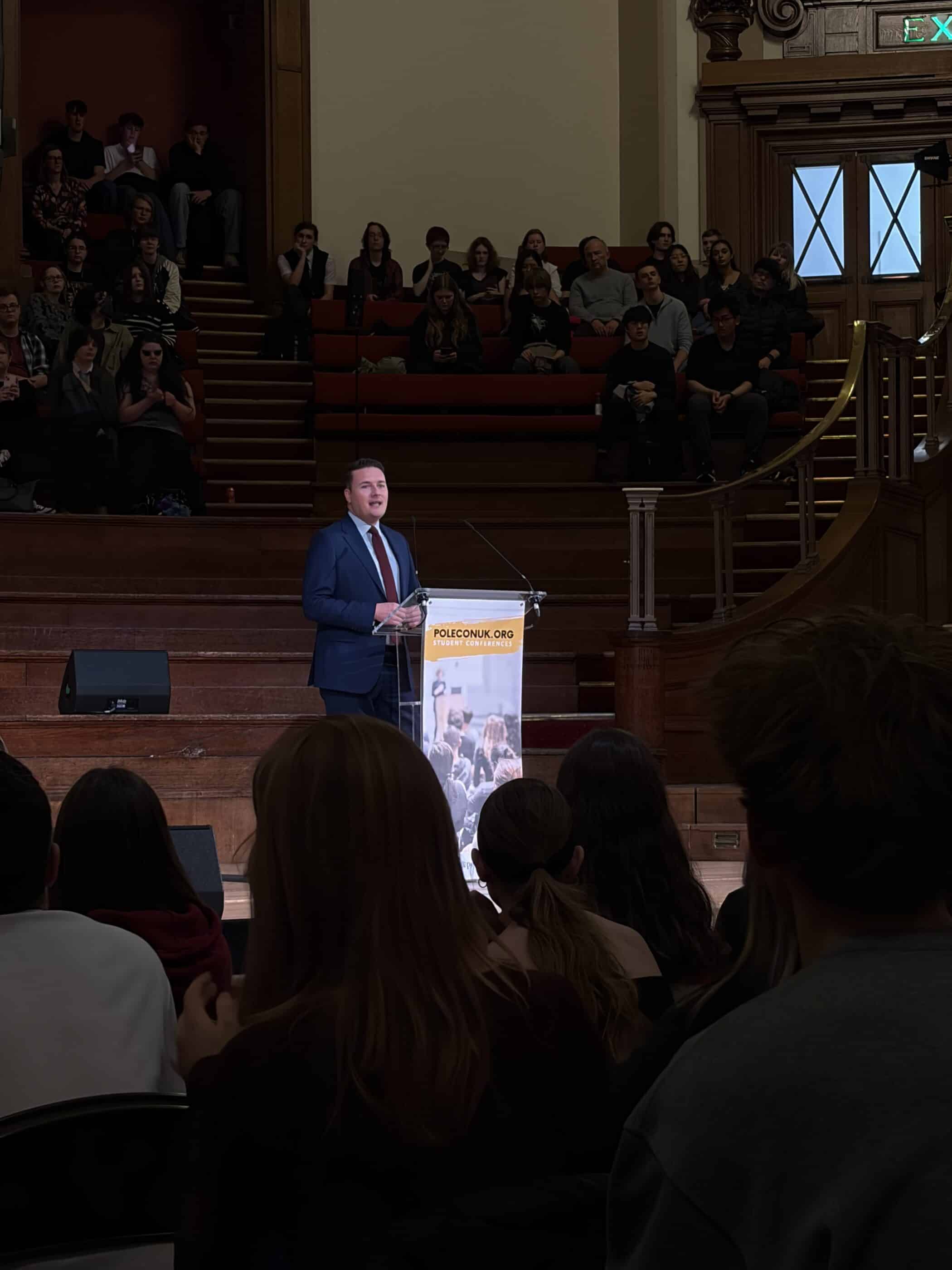
Lower Sixth Politics students attended the PolEcon conference in Methodist Central Hall, Westminster. The event was attended by a large number of Politics and Sociology students from all around the country, making an audience of incredibly engaged, bright and interested young students. The Methodist Central Hall boasted gorgeous architecture, providing an arena suitable for tense debate and a number of influential speakers. Additionally, the building was located a stone’s throw away from the Houses of Parliament themselves, giving the event a real air of formality.
The day saw speakers from across the whole political spectrum, ranging from the Green Party to Reform UK. Some of the most memorable speakers were Zack Polanski, Daisy Cooper, Alastair Campbell, Sir Jacob Rees-Mogg and Wes Streeting. Polanski was seen to define his vision for the Green Party, a vision which has seen newfound support from many ideologically disenfranchised voters on the left of the political spectrum. This has led to a large amount of youth support, as was evident by the large whoops and cheers he received as he walked on stage.
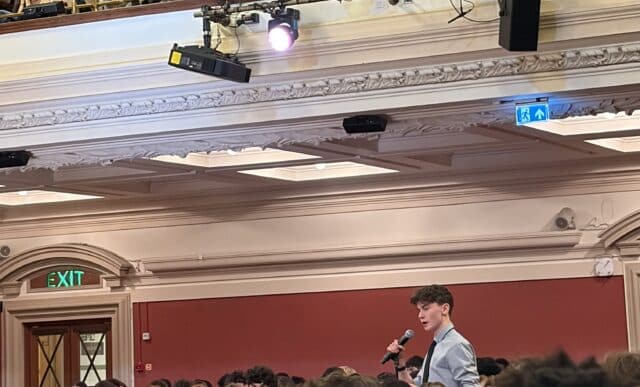
Daisy Cooper offered a Liberal Democrat’s perspective, although their support seems to have dwindled since the coalition days. She talked of the centrist ideology the party wishes to bring, placing emphasis on local solutions to local problems and her views on the failings of the current government. Alastair Campbell then spoke about the importance of staying engaged and interested in politics in the overwhelming world we live in. He highlighted the fact one person can make a difference, no matter who they are. After, Sir Rees-Mogg powerfully expressed his clearly defined way of thinking by directly challenging the people questioning him in an ever-entertaining confrontational manner. Topically, The Secretary of State for Health – Wes Streeting – defined his path forwards with regards to the NHS and future reform. He offered an interesting lens into the perspective of a current government minister, with the students left reflecting on far more realistic and pragmatic message than members of other emerging parties had offered. The wide variety of speakers meant that the plurality of ideologies was prevalent, imbuing the day an incredibly informative outcome.
Overall, the day was incredibly enjoyable and educational, making it both beneficial for informing our A-Level learning and to help learn more about the political parties in the UK. Thanks to the Politics Department for organising.