News from School

Parents agree: Merchant Taylors’ School continues to offer a distinctive balance of academic ambition and breadth of opportunity.

Our Governing Body recently invited Mungo Dunnett Associates, a leading strategic consultancy and research company working in the UK independent school sector, to gather in-depth feedback from current parents.

The findings are emphatically positive, with Merchant Taylors’ emerging as one of the very best schools assessed by Mungo Dunnett and his team, based on 338 similar studies carried out over the past 15 years. Many parents spoke warmly of a school that is challenging without being a hothouse, combining strong academic standards with exceptional co-curricular provision, particularly in the performing arts, sport, and design engineering and technology. Our campus, facilities, and friendly, collegiate atmosphere were frequently highlighted, especially when contrasted with more narrowly competitive academic environments.

Pastoral care and learning support were repeatedly recognised as outstanding. The tutor system was described as exceptional, with tutors acting as consistent and trusted points of support for boys, as well as effective partners for parents.

Overall, the research offers a clear and affirming picture of Merchant Taylors’ today: a school with a strong sense of purpose, a deeply committed staff body, and a community that values both ambition and care.
New JCR Team Announced

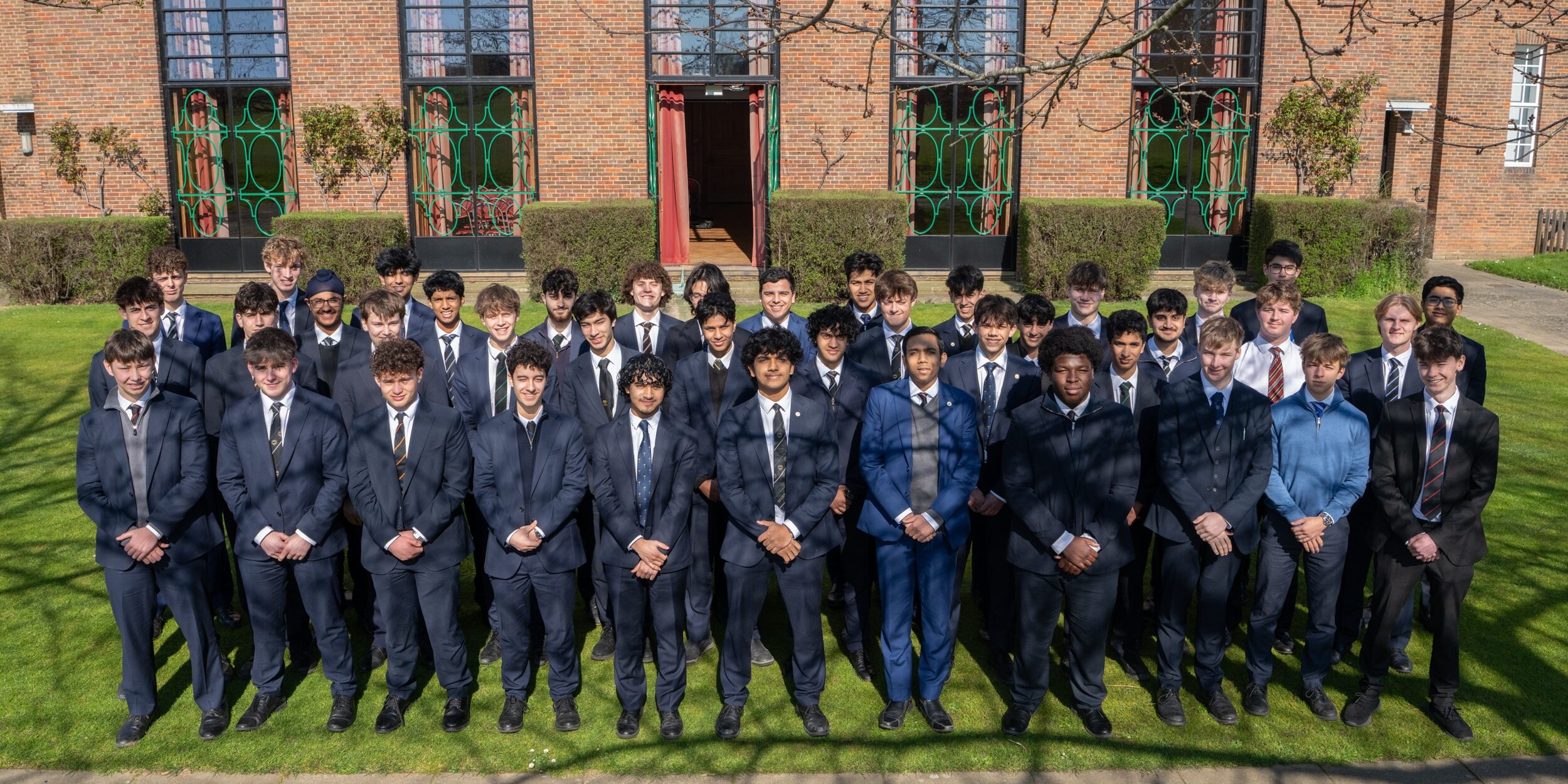
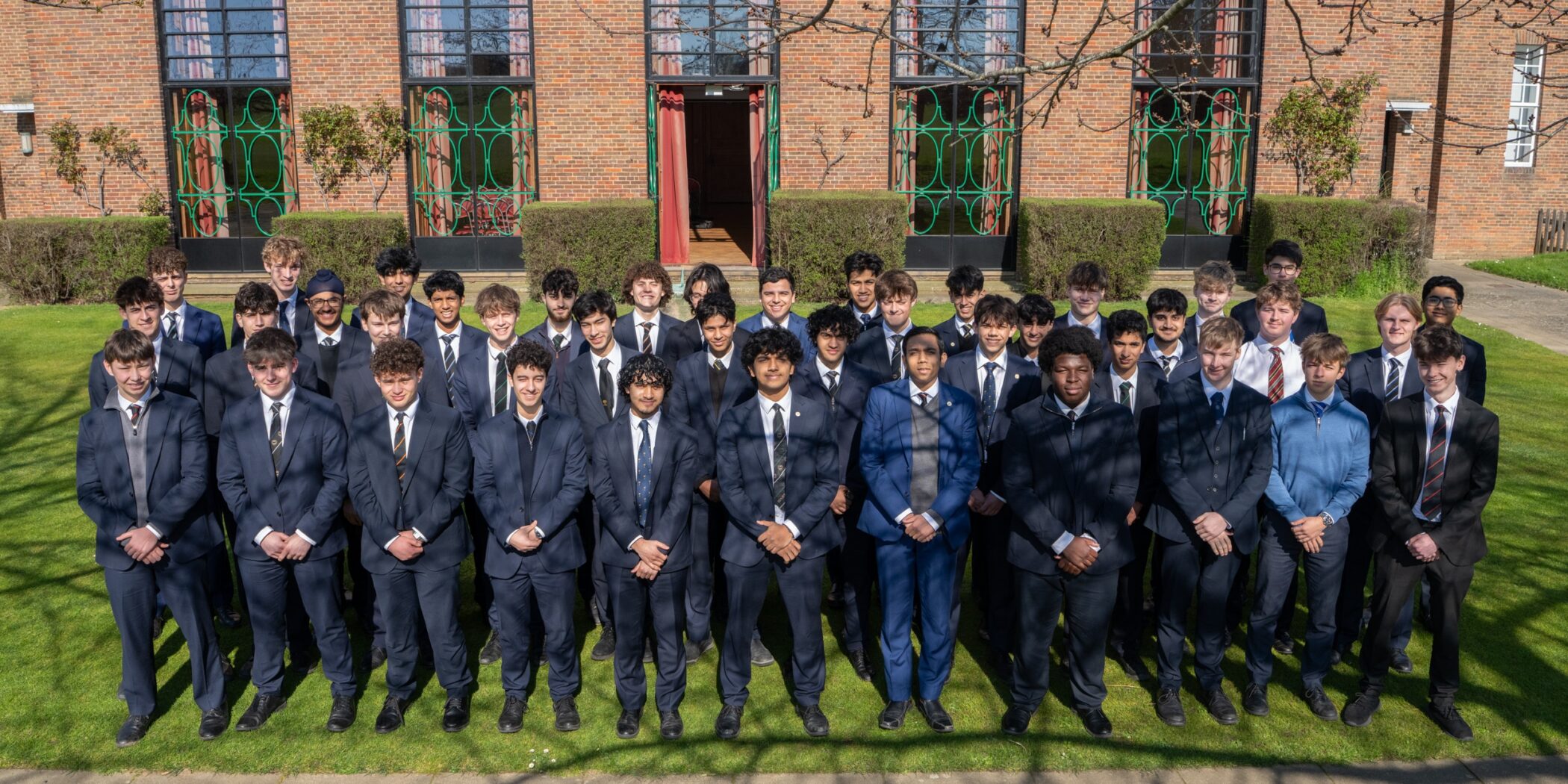
Just as the Upper Sixth begin their study leave, they have also started to hand over their duties to the Lower Sixth, with a new team of 40 boys appointed to the JCR at the end of last term.

OMTs will remember that the JCR has formed the prefect body at Merchant Taylors’ for centuries. Junior prefects, known as Prompters, and senior prefects, known as Monitors, are mentioned in school records as far back as 1702. In that year, a ‘Table’ emerged, consisting of eight Monitors together with the Captain of the School, alongside a ‘Bench’ of nine prompters.

Originally, Monitors delivered speeches at the annual St Barnabas’ Day elections, while the Prompters’ role was to prompt them.

Over time, Monitors and Prompters came to assume wider responsibilities, including maintaining discipline and acting as a conduit between pupils, staff, and the Merchant Taylors’ Company.

While some things have changed, much remains the same. Today, the JCR is, above all, about service to the School, with service at the heart of leadership. Members of the JCR continue to organise tours, support events, and are looked to as embodiments of the School’s core values.

New Bursar Joins Merchant Taylors’ School

At the end of December, after 13 years of exceptional service to Merchant Taylors’ School, Ian Williams left to take up the position of Bursar at Bromsgrove School. During his time at the School, he led a number of transformative capital projects, including the construction of the Design Centre, the History and Geography buildings, and the Julian Hill Cricket Centre, as well as the recent refurbishment of the gym and changing rooms.

A keen canoeist, Ian also shared his passion with many boys through the Outdoor Education programme. We hope that being closer to his home in Shropshire will allow him to spend more time on the water.

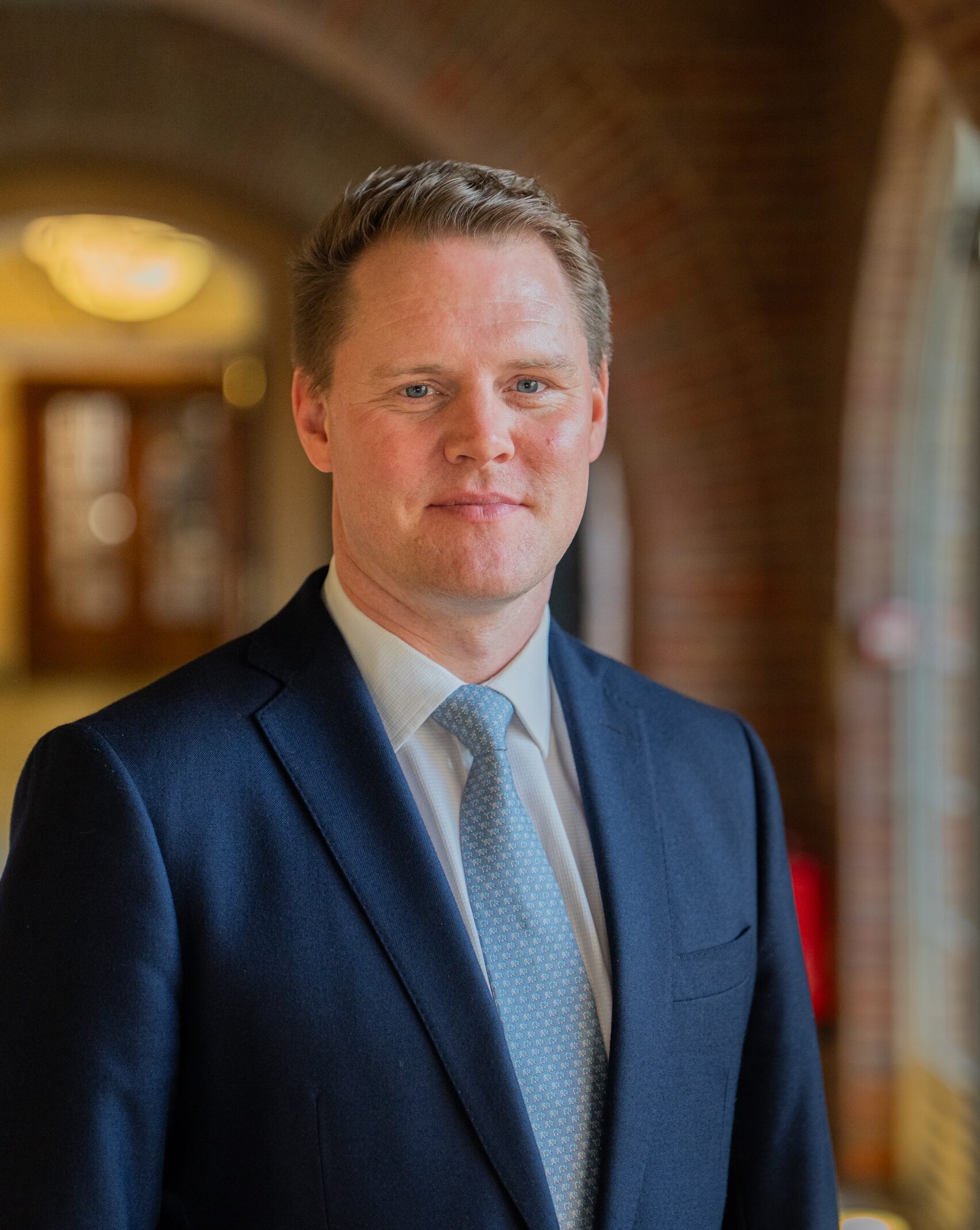
In February, we welcomed our new Bursar, James Poynton, who joins us from the Roger Williams Institute of Liver Studies, where he was Chief Operating Officer. This followed an 18-year career in the Royal Air Force, which included operational and strategic leadership roles in the UK, the US, and the Middle East.

He has worked across numerous government departments, specialising in international relations, as well as commercial and financial management. With extensive experience in leading complex professional service functions, he was most recently Head of People and Operations for the UK’s highest-readiness fast-jet unit.

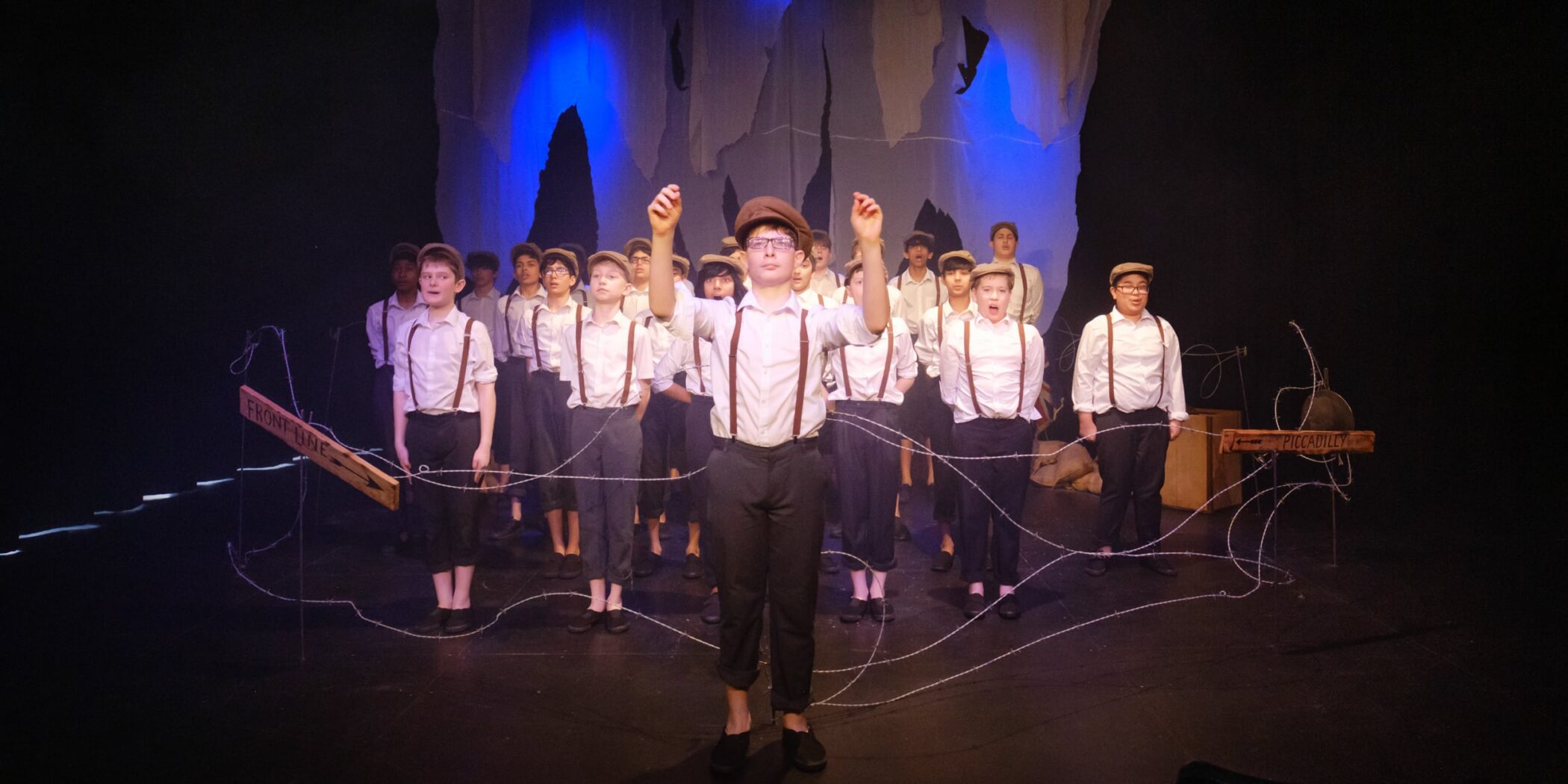
The Lower School Performance of Private Peaceful

Regrettably, the Lower School’s production of Private Peaceful at the Drama Studio in March felt especially urgent, reminding us that the individual human cost of war resonates across time and place. Adapted for the stage by Simon Reade from the novel by Michael Morpurgo, this was a courageous, thoughtful, and emotionally resonant piece of theatre.

The first acknowledgement must go, as ever, to the technical team. Together, they crafted a world that shifted seamlessly from the warmth of the Devon countryside to the claustrophobic brutality of the trenches. Projections and stark lighting contrasts evoked innocence and, later, devastation. Sound was used to powerful effect: birdsong dissolving into artillery fire, for instance, created an atmosphere that was, at times, deeply unsettling. Their precision and restraint allowed the storytelling to breathe while heightening the emotional impact of key moments.

All members of the cast shared responsibility for the role of Tommo, each portraying a different stage of his life while also multi-rolling a range of characters, from his brother Charlie to Anna, the French girl he meets at the estaminet. His latent guilt about his late father was just one of the ghosts with which Tommo had to contend as he moved ever closer to the conflict on the Belgian front.

Where next?
Get in Touch

Joining at 11+

Book a Visit

Joining at 16+