
Writes James Goss, Teacher of Classics
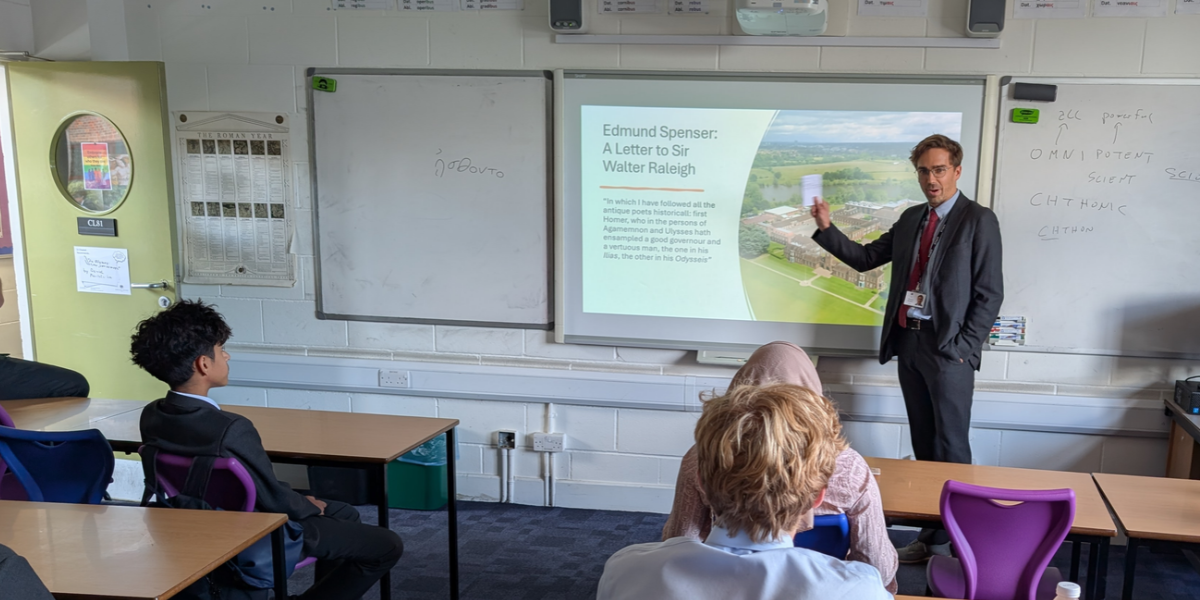
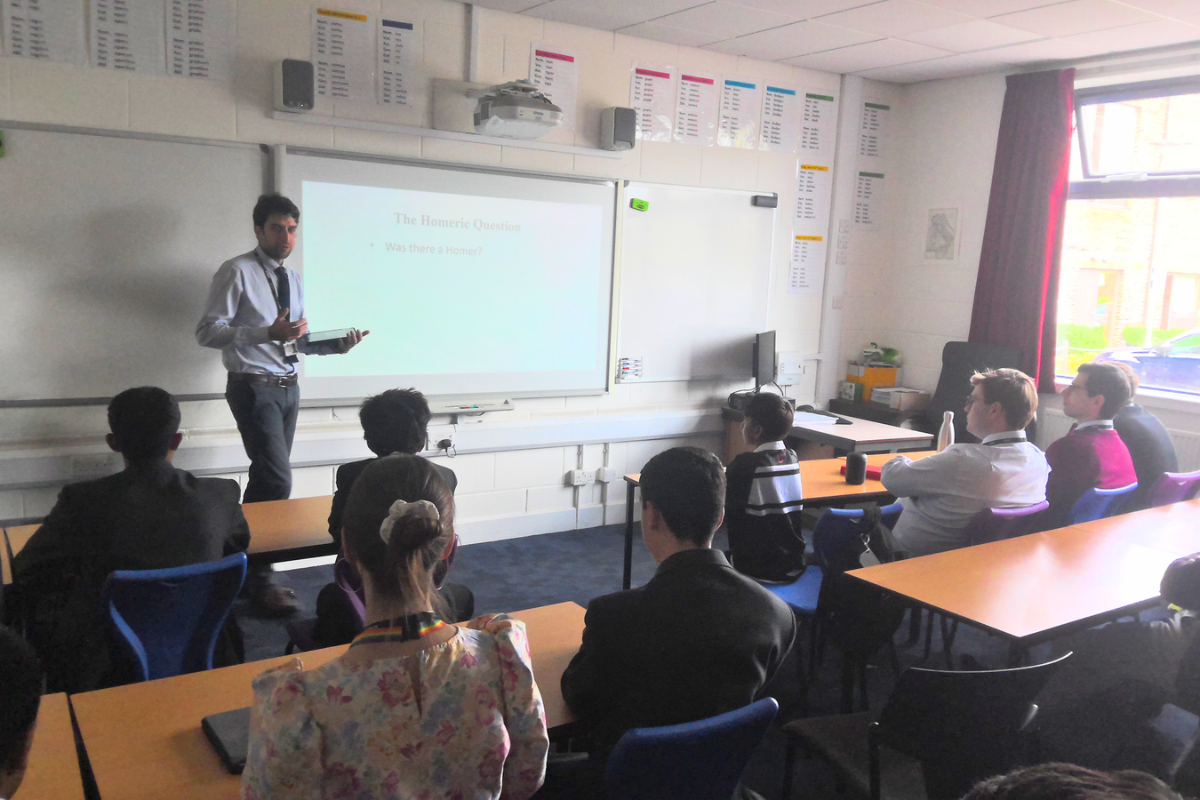
The Classics Lecture Group’s Odyssey Series continued at the end of last half term with a lecture on The Archaeology of Homer. Taking on a topic that spans centuries and civilizations, the talk explored the world of the Bronze Age Aegean, the period in which the legendary Trojan War is thought to have taken place.
The evening began by considering the vast distance between Homer and the age he described. The Bronze Age ended at least 600 years before the height of Classical Athens, raising two intriguing questions: How could Homer have known so much about this earlier world? And how accurate are his descriptions?
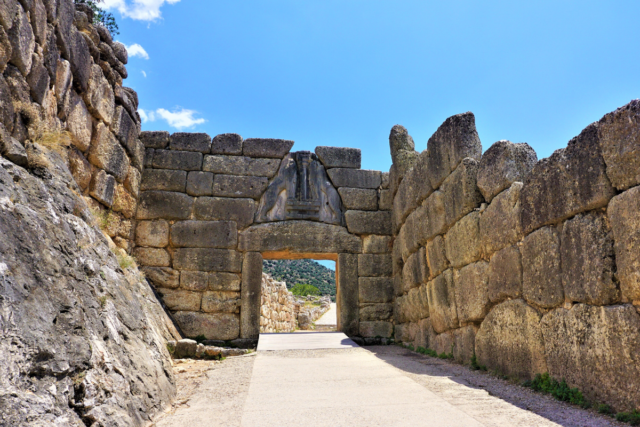
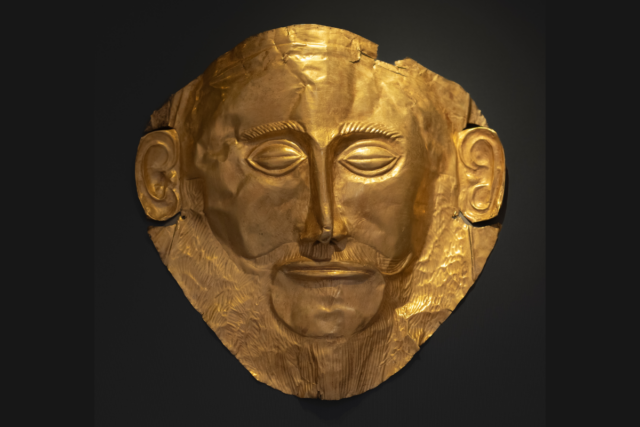
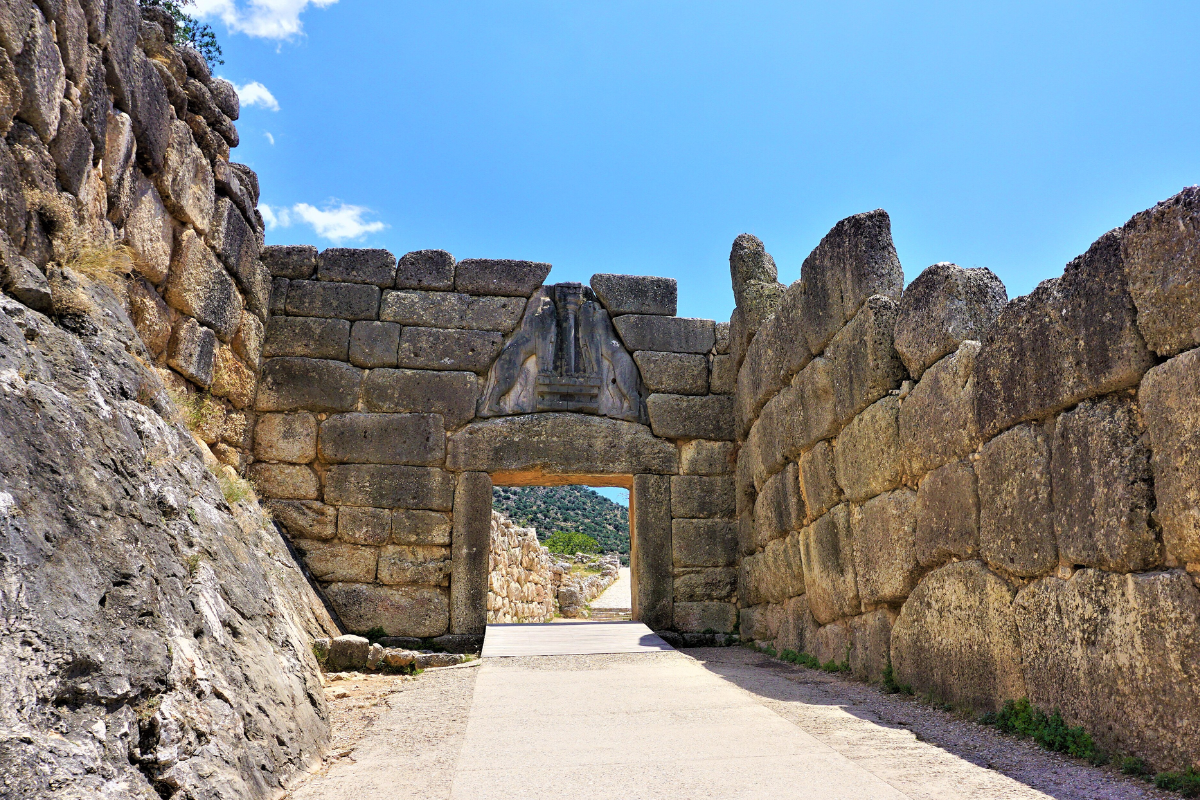
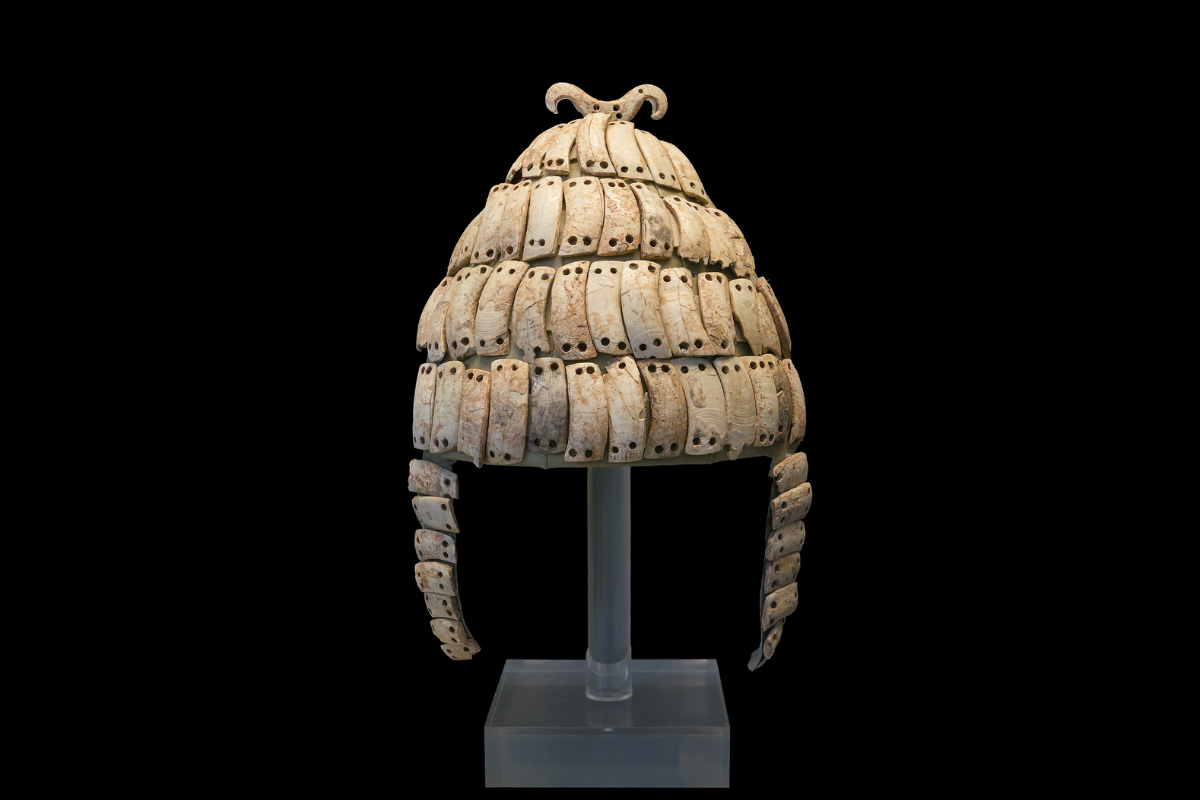
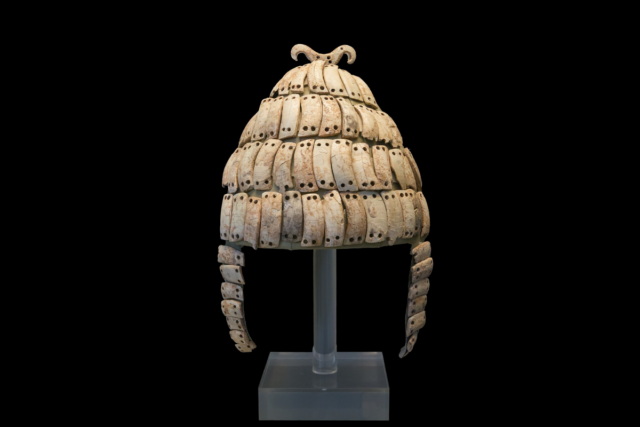
To investigate these questions, the audience embarked on a journey through the ancient Mediterranean. Who were the Greeks and Trojans? What was life like in their societies? How did they wage war, and what evidence survives today? Drawing on archaeology, history, and ancient texts, I introduced the room to the remarkable Mycenaean civilisation, whose great palaces, stunning artwork, and finely crafted weapons provide valuable insights into the age of heroes.
The lecture also examined records from neighbouring empires in the Near East, helping to illuminate the Mycenaeans’ international connections and offering evidence for the existence of the people whom we identify as the Trojans. The archaeological discoveries at Troy itself were then explored in detail, prompting discussion of one of history’s most enduring mysteries: was this really the city of legend, and could the Trojan War have taken place there?
The talk concluded with a lively consideration of the evidence. While archaeological discoveries continue to shed light on the world behind Homer’s epics, I argued that the inconsistencies within the archaeological record make it unlikely that the Trojan War occurred in the way later legend describes.
Combining archaeology, mythology, and detective work, the lecture captivated the audience, offering a glimpse into the ancient world and demonstrated why the story of Troy continues to fascinate scholars and students alike.