

Writes Jane McClements, Elite Performance Nutritionist
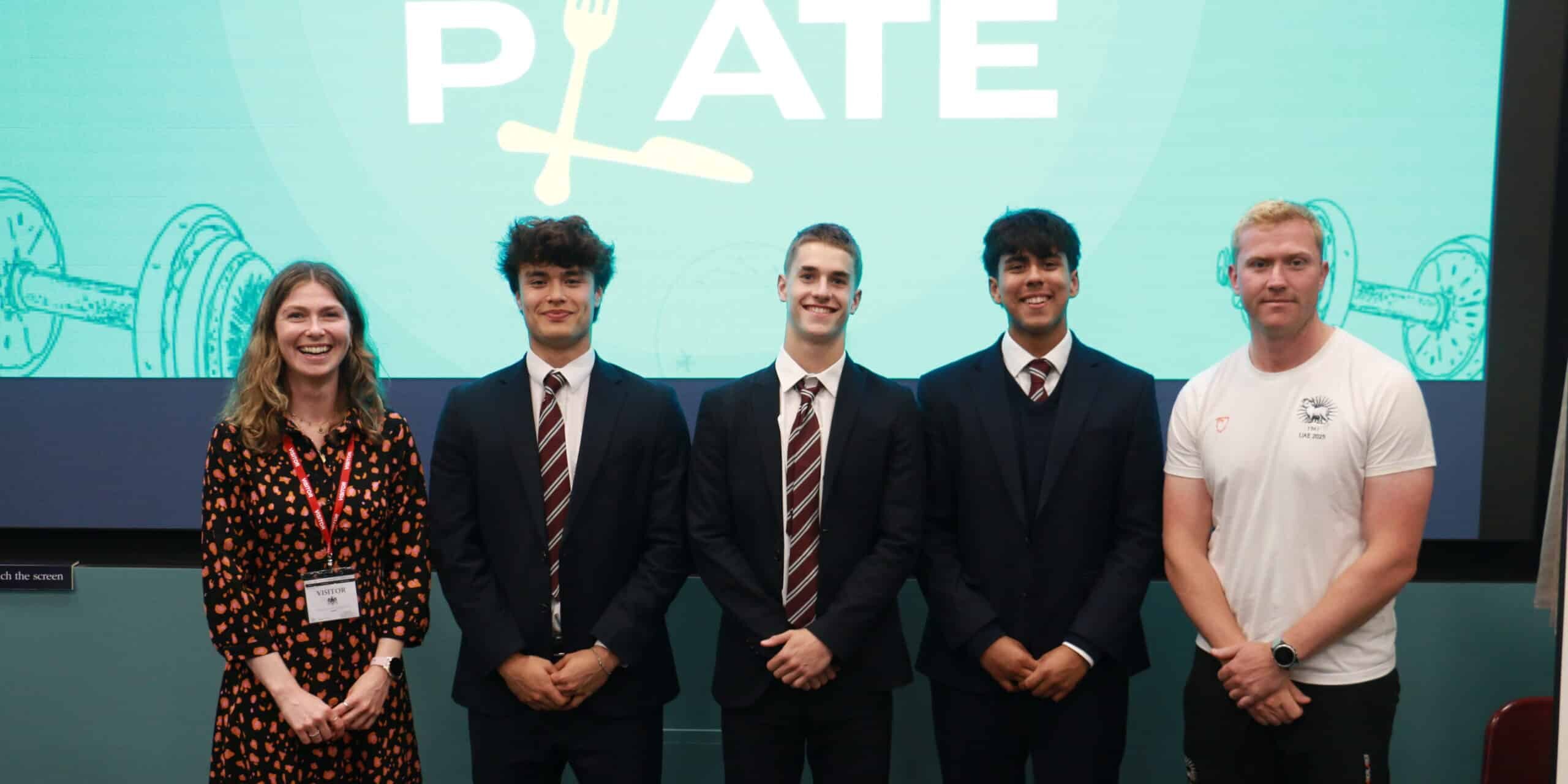
Hello! I’m Jane McClements, an Elite Performance Nutritionist dedicated to helping young athletes—from those enjoying social tennis once a week to those competing in county cricket—fuel their bodies properly to support athletic performance, academic success, and healthy development.
This year at Merchant Taylors’, we have continued to support our students through the Performance Power Up Campaign (PPU) for 2025–26, a whole-school initiative designed to elevate nutrition education and empower every pupil to understand how food fuels performance, focus, and wellbeing.
The first session introduced the fundamentals of macronutrients—carbohydrates, proteins, and fats—and their vital roles in the body. In Term 2, we built on this foundation with practical strategies to apply this knowledge during training and competition in our workshop, “How to Fuel Your Next Training Session.”
Every athlete’s nutritional needs vary depending on factors such as body size, sport intensity, and exercise duration. However, some key principles remain universal:
- Timing is everything: Aim to eat your last main meal 2–4 hours before exercise to allow digestion and prevent discomfort. This meal should include carbohydrates (your main fuel), lean proteins, and fruit or vegetables. The closer you get to exercise time, the simpler your carbohydrates should be—think fruit or a plain bagel rather than a heavy, complex meal.
- Carbohydrates are your performance partner: For activity lasting longer than 60 minutes, bringing a carbohydrate-rich snack is essential to maintain energy and focus. A general guideline is about 30–60 grams of carbohydrates per hour of exercise. For example, refuel with a banana at half-time, a cereal bar on the bike, or a smoothie in the pavilion before your turn to bat.
- Start exercise hydrated: Beginning your session well hydrated supports concentration, performance, and reduces the risk of injury or premature fatigue.
Why fuelling matters for young athletes
For youth athletes, nutrition is especially crucial as their bodies are still growing and developing. Proper fuelling supports:
- Physical growth and maturation: Adequate energy and nutrients help bones, muscles, and organs develop strong and healthy during this critical stage.
- Enhanced athletic performance: When properly fuelled, the body improves strength, stamina, concentration, and coordination—helping young athletes perform their best in training and competition.
- Recovery and injury prevention: Eating the right foods at the right times promotes muscle repair and immune health, reducing injury risk.
- Supporting mental focus: Nutrition impacts brain function, so a well-fuelled athlete is more alert and focused in both sport and school.
Practical tips
- Know your schedule: Be aware of intensive training sessions, long gaps between meals, or activities lasting longer than 60 minutes and plan your nutrition accordingly. Bring or have food available, and don’t wait until you’re starving.
- Test fuelling during training: This helps athletes find preferred foods and monitor any adverse reactions.
- Start small: If you’re not currently fuelling sessions, begin with small amounts of carbohydrates and gradually increase.
- Stay hydrated: Dehydration can lead to injury, poor concentration, and early exhaustion.
Re-evaluating your diet can be daunting. However, it does not need to be complicated. There are a variety of easy, nutritious options which you can rely upon for busy days.
Some suggestions for you to bring to school include:
- Wholegrain sandwiches with lean protein (chicken, turkey, houmous)
- Fresh fruit such as apples, bananas, or grapes
- Yoghurt pots or cheese sticks
- Homemade flapjacks or oat bars rich in carbohydrates
- Fresh or dried fruit
- Nut-free cereal bars or rice cakes
- Smoothies
If you are between training sessions, you might wish to try something with a higher carbohydrate content. Roughly 30–60g of carbohydrates is ideal. Options for this might include:
- Bananas or other easy-to-digest fruit
- Dried fruit such as dried mango
- Small sandwiches or wraps (if not competing at high intensity)
- Malt loaf (e.g. Soreen bars)
Remember, it takes practice eating during training to find what works best for your body and provides steady energy without discomfort!