
Writes Laura Smith, Deputy Head Staff Development
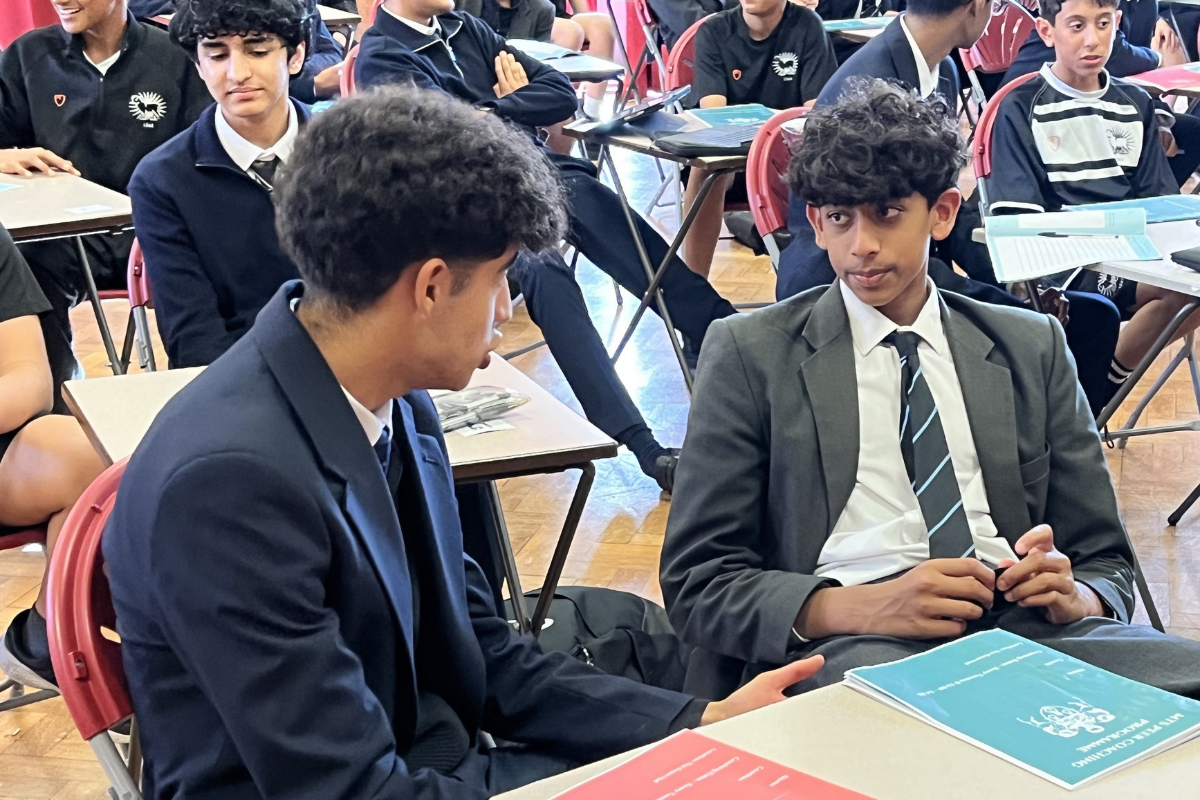
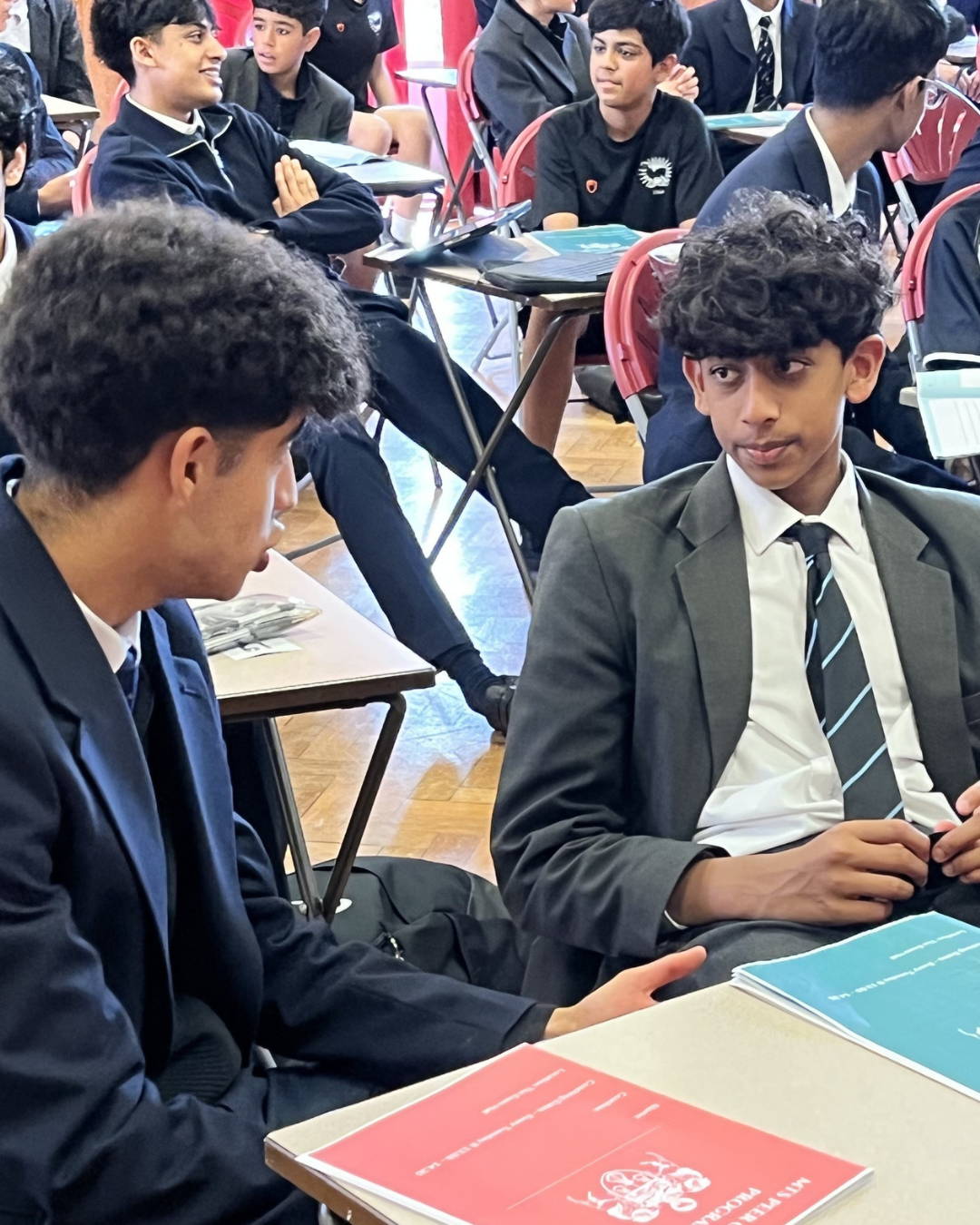
At a time when artificial intelligence is dominating headlines, reshaping industries, and prompting existential conversations about the future of human intelligence, we might pause to consider something rather less technologically ambitious: two pupils sitting opposite one another, talking.
No algorithms. No screens. Just two people, a good question and the willingness to listen to the answer.
It sounds deceptively simple. In practice, it is rather more challenging, and perhaps more important, than we might imagine.
Our peer coaching programme is built on the premise that young people need opportunities not just to acquire knowledge, but to understand themselves: how they think, what motivates them, where their strengths lie and what they might do differently. It is an opportunity to slow down, step outside the relentless momentum of school life and give proper attention to questions too important to be squeezed into the margins of a busy Taylors’ day.
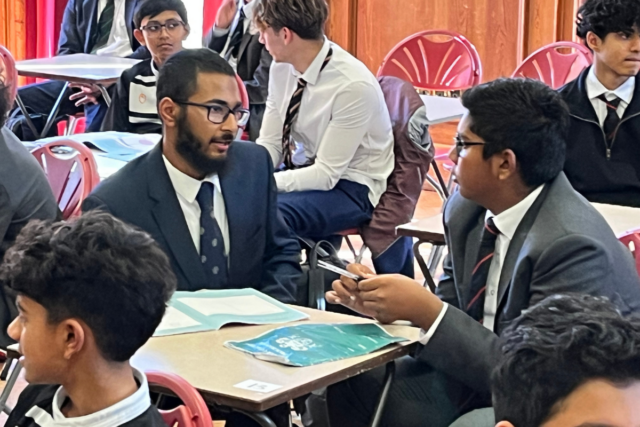
Over the past eight weeks, our Lower Sixth pupil coaches have been learning and honing their coaching skills and coaching pupils in Fourths and Divisions. They are discovering that being a good coach is not simply about dispensing wisdom (resisting the temptation to do so is sometimes half the battle!) It requires curiosity, patience, careful listening and the ability to ask questions that prompt someone else to do the thinking.
Initially, conversations can be tentative. There may be a degree of monosyllabic enthusiasm, the occasional conversational cul-de-sac and some impressive displays of taciturnity. (Sound familiar?!) Starting a meaningful conversation with a fellow pupil, particularly someone you might not ordinarily spend time with, does not always come naturally.
But then something rather wonderful happens.
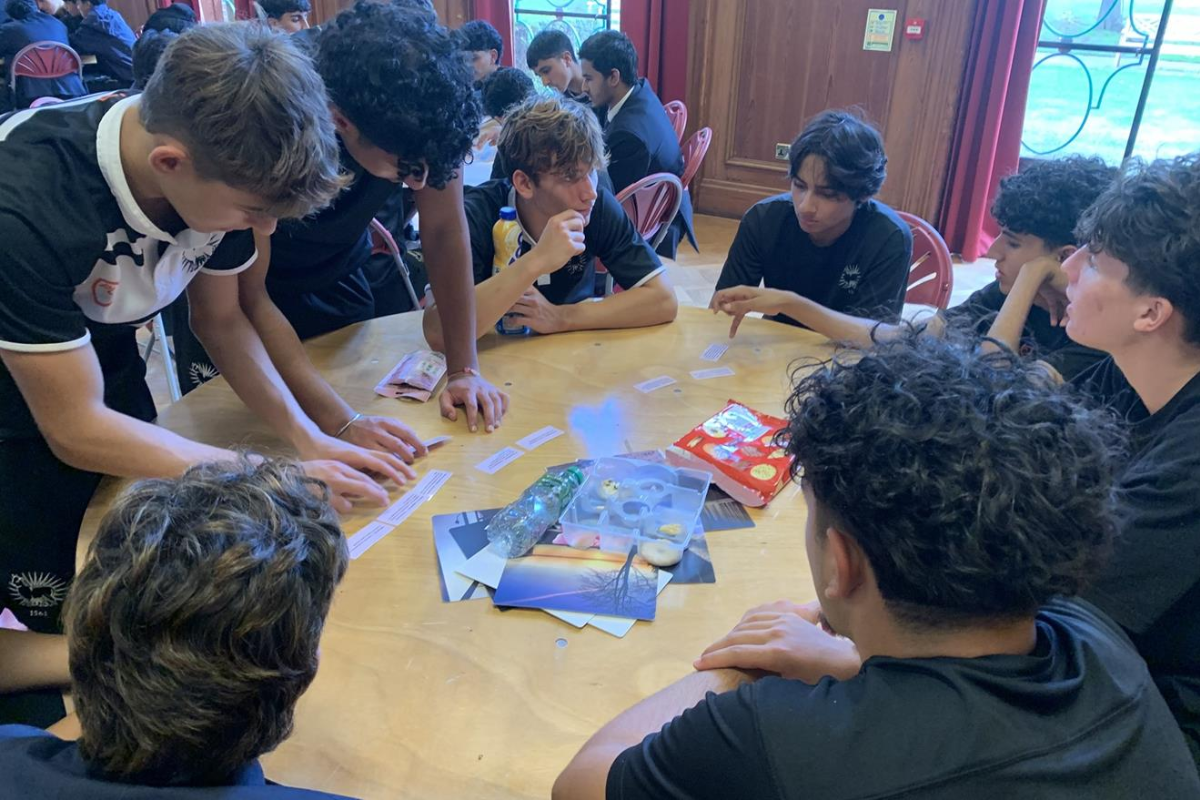
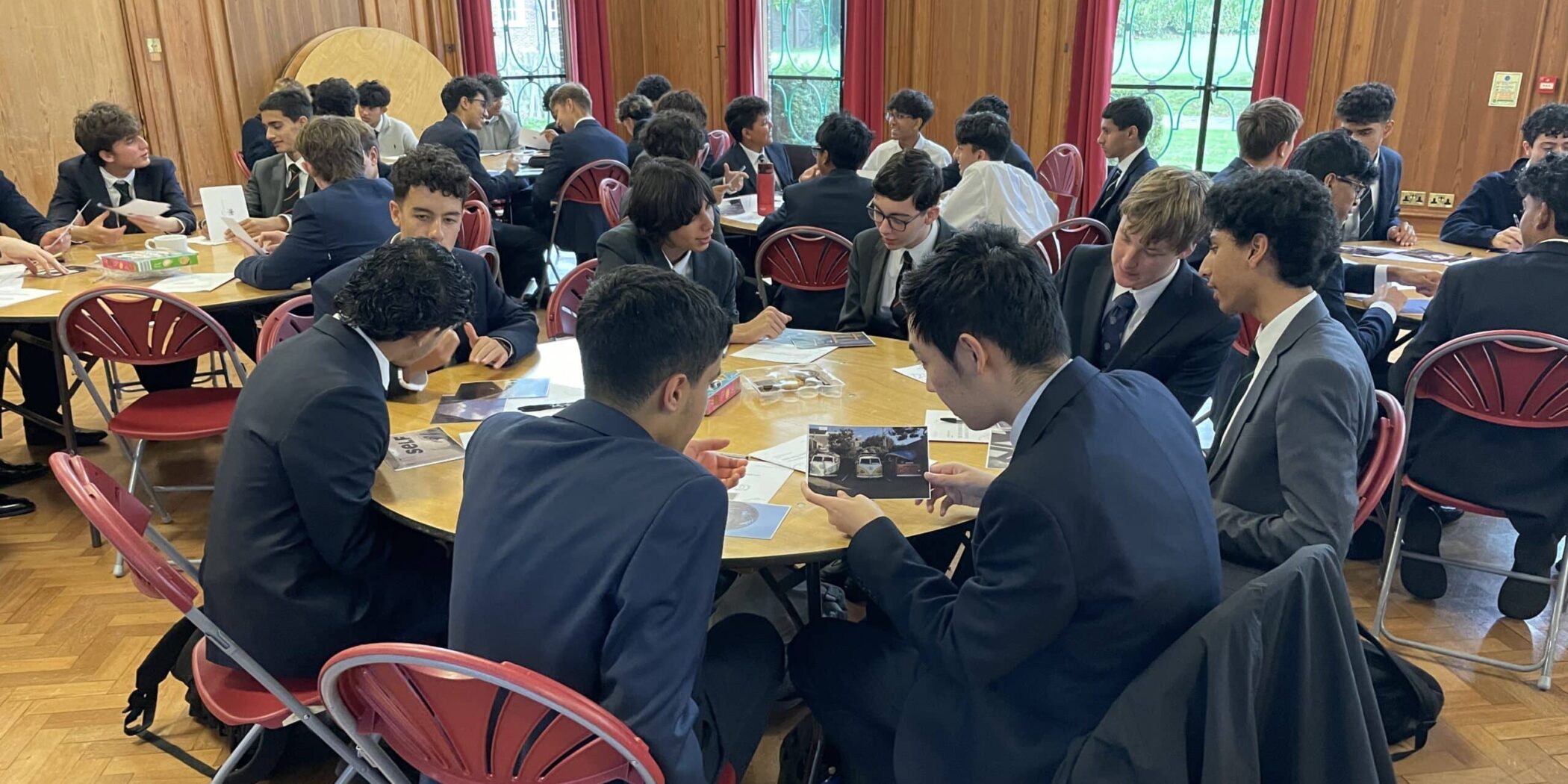
Before long, the Exam Hall is buzzing with conversation: animated exchanges, smiles, thoughtful silences and boys with properly ponderous expressions. The coaches are becoming more confident, the coachees more forthcoming, and the relationships between them increasingly meaningful.
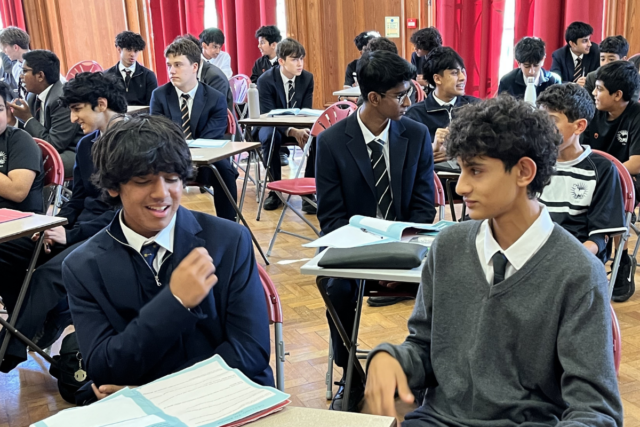
The commitment shown by our L6 form coaches is touching. The bonds forming between pairs are tangible and there is something genuinely heartening about watching young people take responsibility for helping someone else think, reflect and move forward.
The questions at the heart of these conversations are deliberately big. They are questions we don’t always make enough time for, despite their considerable influence on how we live and learn.
Where do you want to be in five years’ time?
What are your genuine strengths, and how might you make better use of them?
What is one aspect of your school life you’d like to enhance or change?
These are not questions with neat, prescribed answers. Instead, they invite honesty, curiosity and a willingness to think aloud. Sometimes the most valuable moment in a coaching conversation is not the answer itself, but the pause before it.
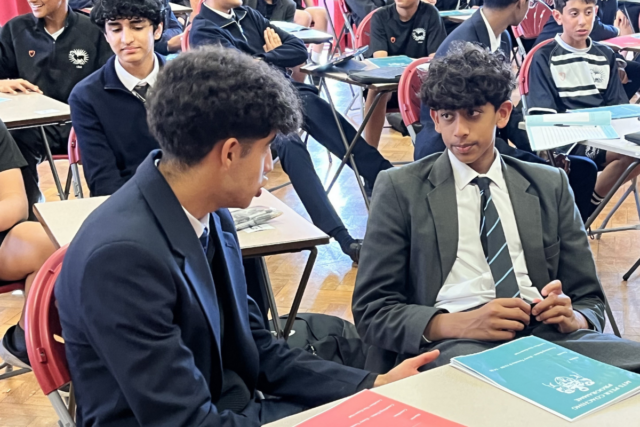
And there is an important metacognitive dimension to the coaching programme, too, which builds on our Teaching & Learning focus for this year. Pupils are learning to think about their thinking: to consider how things are going, what could be better, what ‘better’ would actually look and feel like, and what practical steps might help them get there. Reflection becomes a way of making more deliberate choices about what happens next.
Crucially, they are also learning to coach rather than judge themselves. It is remarkably easy to listen to our inner critic, the unforgiving judge, dwelling on shortcomings and missed opportunities. Yet self-criticism is rarely an effective development strategy. A more constructive voice, the inner coach, is one that asks questions, identifies possibilities and encourages us to take the next step; a far more powerful ally.
For students, identifying specific goals, taking ownership of them and knowing that their Peer Coach will check in again in a fortnight seems to be generating real momentum. Accountability matters. So does having someone who remembers what you wanted to achieve and takes enough interest to ask how it is going.
Of course, not every conversation will be revelatory, and not every goal will be achieved on schedule. There will be awkward moments, false starts and perhaps … silence. That is all part of the learning. The ability to sustain a conversation, listen properly, ask a thoughtful follow-up question and remain engaged when you aren’t quite sure what to say next is an art. It is also an increasingly valuable one.
Perhaps this is where the programme has its greatest significance. In a world where information is abundant and artificial intelligence can generate an articulate response to almost any question, the ability to connect meaningfully with another human being remains indispensable.
At the very moment we roll out our AI teaching strategy for Taylors’ pupils, we are also reminding them that though technology may transform the way we work, learn and communicate, it cannot make human connection any less important. Sometimes the most sophisticated educational intervention is simply two people sitting opposite one another, listening carefully, asking a better question and thinking together. No algorithm required.
In January, for our fifth year, we will be running the Three-Part Merchant Taylors’ Coaching Course for Parents. Further details to follow on the website and in Scissorum soon. Do come and join us.