
Writes Viraaj V. (Divs)
Our Divisions Geographers recently swapped classrooms for two very different fieldwork locations. One day saw us investigating the River Colne, which flows through the school site, whilst the other took us into central London to explore the regeneration of King’s Cross and Coal Drops Yard. Although the two days focused on completely different areas of geography, both brought our GCSE studies to life in ways that no textbook ever could.
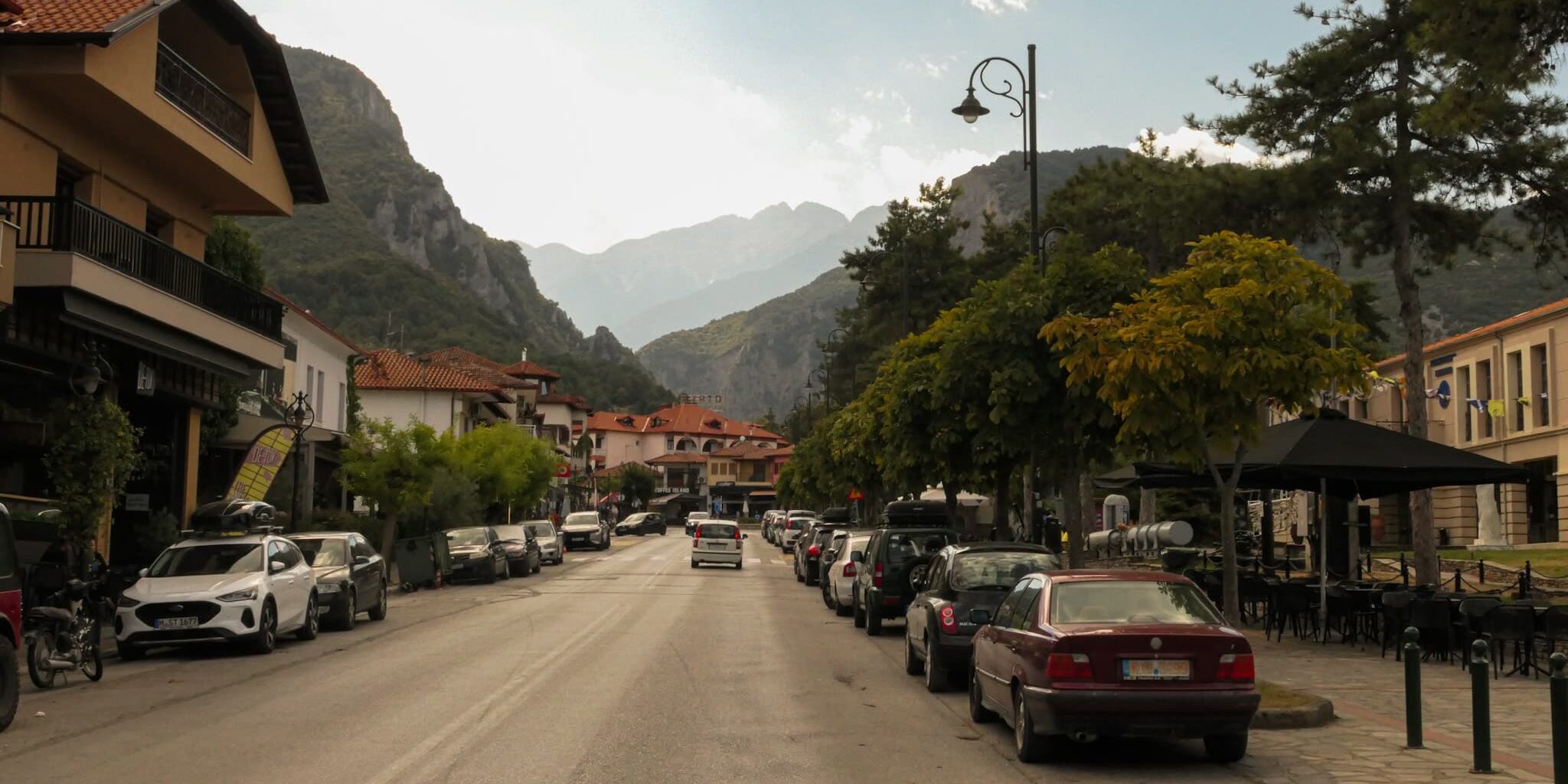
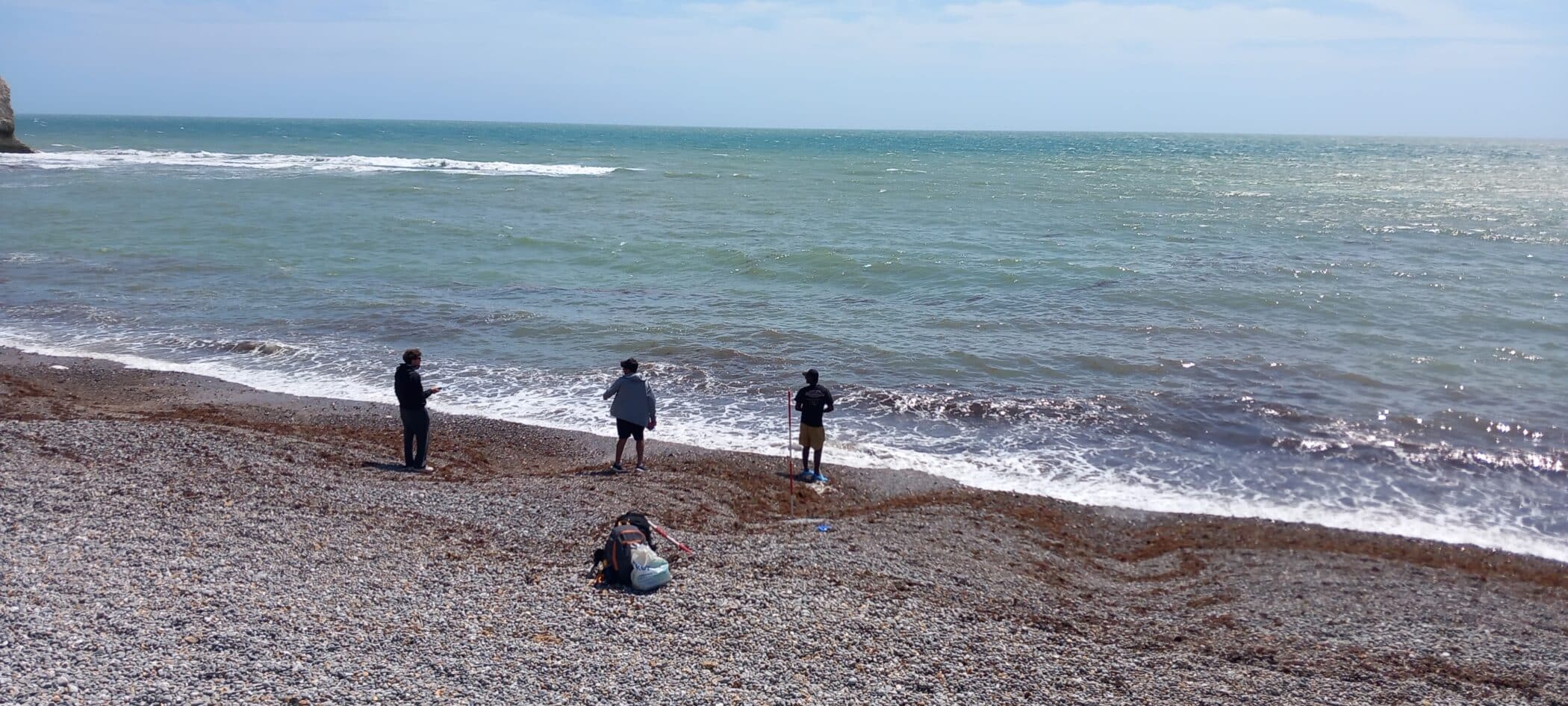
Our first fieldwork day centred around the River Colne. Thankfully, the weather was on our side, with sunshine and mild temperatures making for perfect conditions. Armed with clipboards, measuring equipment and plenty of enthusiasm, students spent the day investigating the river and collecting the data that will later form part of our GCSE fieldwork studies. It was a refreshing change from learning about river processes on a screen or in an exercise book. Standing beside the river itself made it much easier to appreciate the complexity of the physical processes we have studied throughout the year.
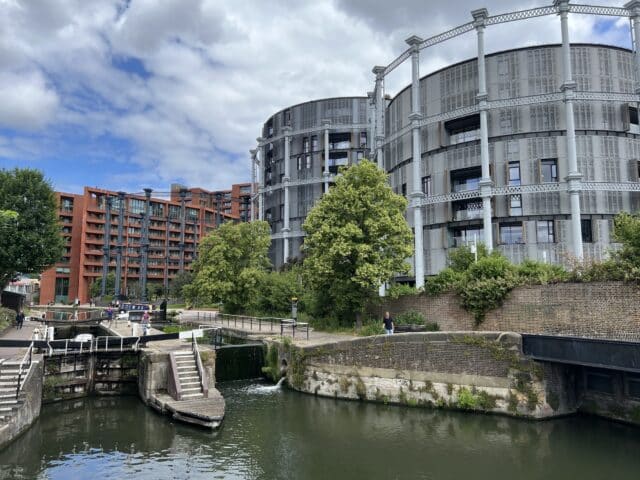
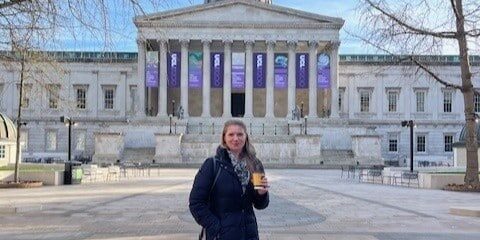
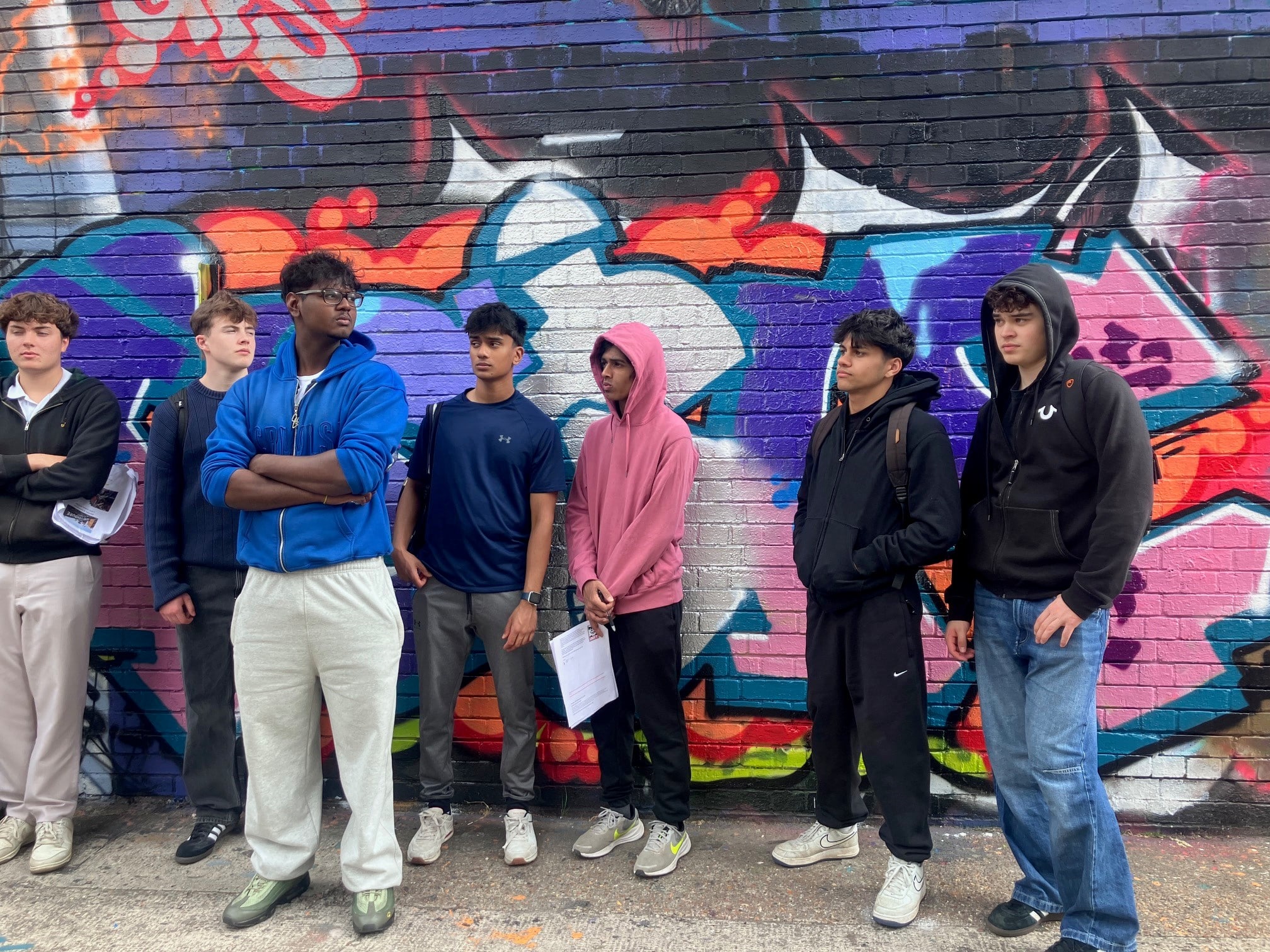
A week later, the weather had decided to remind us that this was still Britain. Under grey skies and heavy rain, we travelled to King’s Cross to investigate one of the largest regeneration projects in Europe. Our task was to answer a deceptively simple question: to what extent has the regeneration of King’s Cross and Coal Drops Yard been successful?
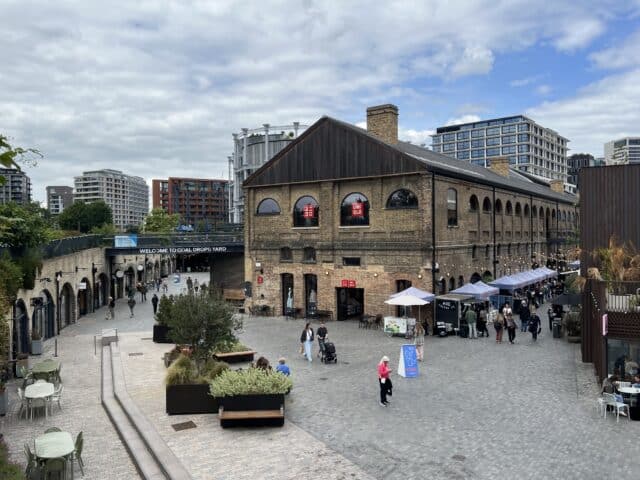
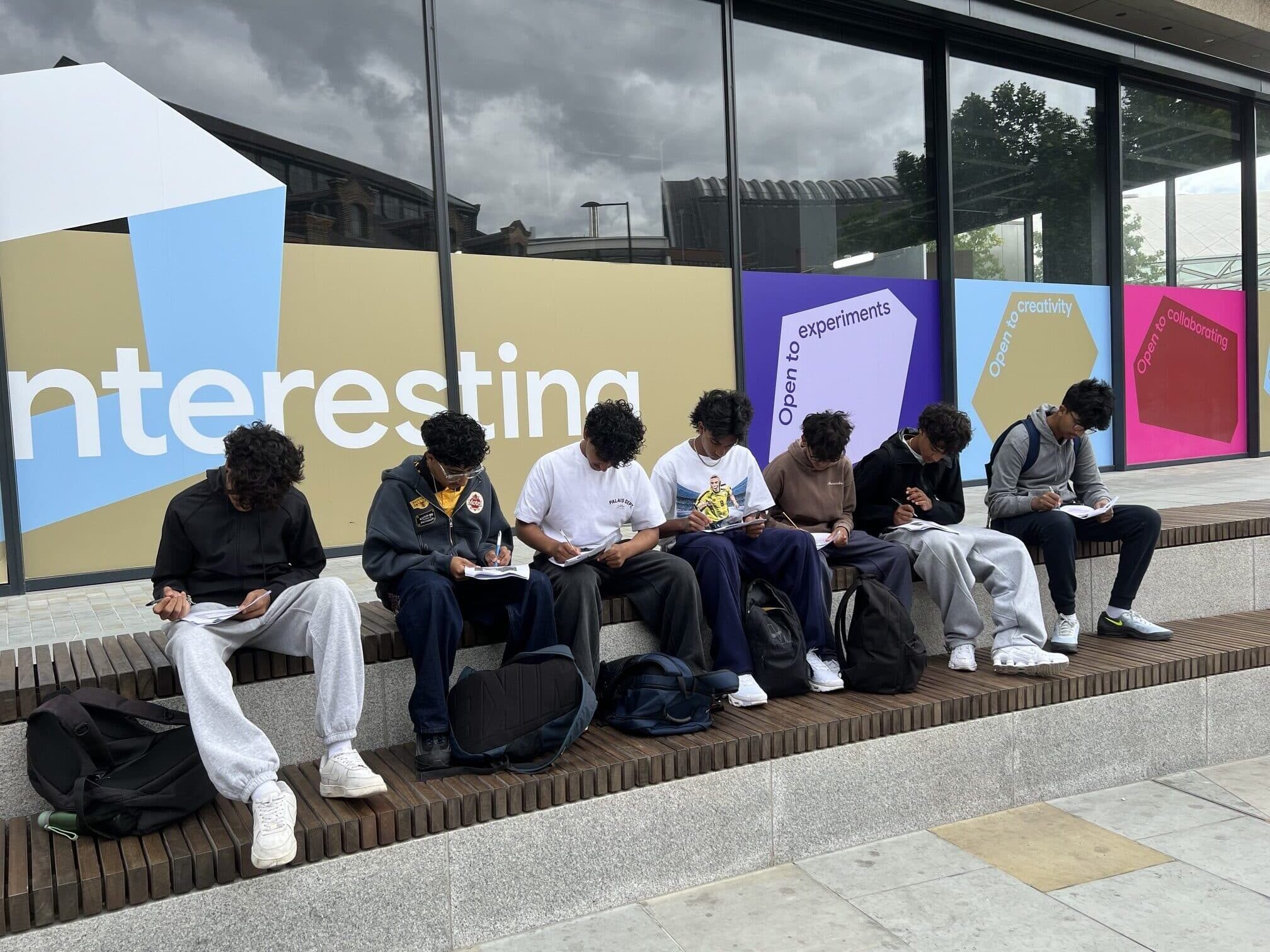
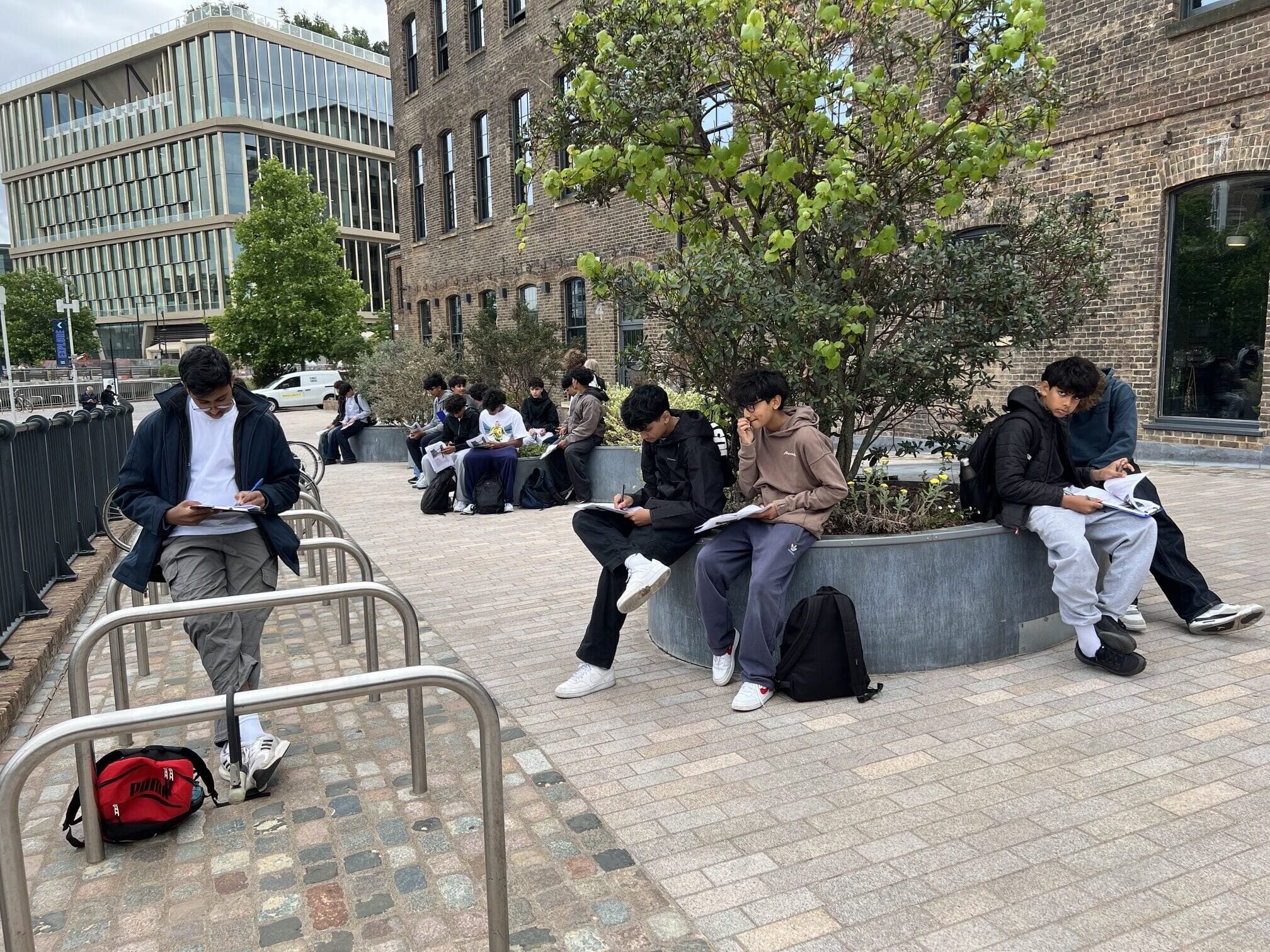
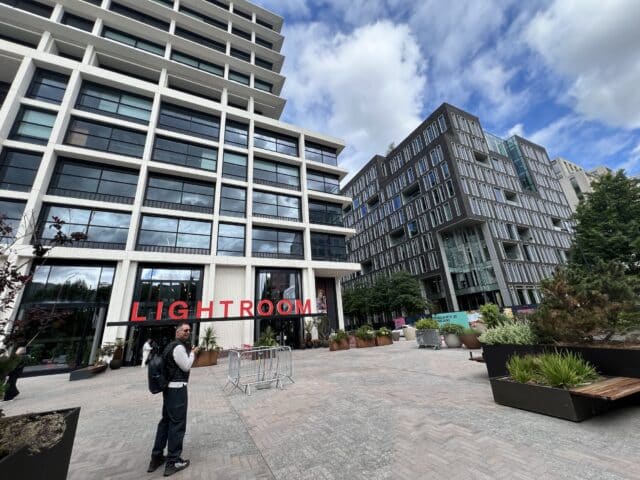
Throughout the day, we visited a variety of locations and carried out Environmental Quality Surveys using Survey123 and analysed changes in the built environment using archive photos and field sketches. We also used questionnaires to understand what members of the public thought about the area’s regeneration. At Battle Bridge Place, we saw first-hand how an area once associated with industrial decline has been transformed into a vibrant part of modern London. Everywhere we looked, there was evidence of change, from new offices and public spaces to improved pedestrian areas and modern developments.
One of the most surprising stops was Camley Street Natural Park. Amongst railway lines, offices and busy roads, it felt like a completely different world. The contrast between the tranquillity of the reserve and the surrounding city highlighted that successful regeneration is not only about creating shops and offices, but also about improving the environment and creating spaces that people can enjoy.
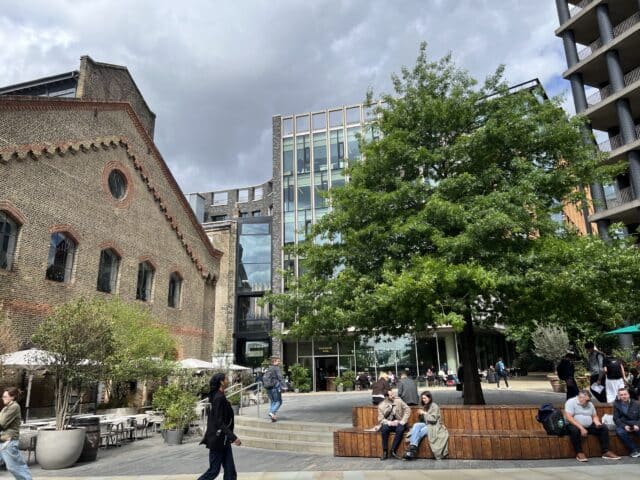
What made our investigation particularly interesting was that there was no obvious answer to our enquiry question. While much of the evidence pointed towards a successful regeneration project, we were encouraged to think critically about who benefits from these changes and whether all groups experience them in the same way.
Looking back, the contrast between the two fieldwork days could hardly have been greater: sunshine beside a local river one week, umbrellas in central London the next. Whether investigating river processes or evaluating urban regeneration, we were able to collect our own evidence, ask our own questions and experience geography beyond the classroom. Most importantly, both trips proved that some of the best learning happens when you step outside the school gates, ultimately proving why fieldwork is such an important part of studying Geography.
Many thanks to the Geography Department for providing us with such excellent opportunities.