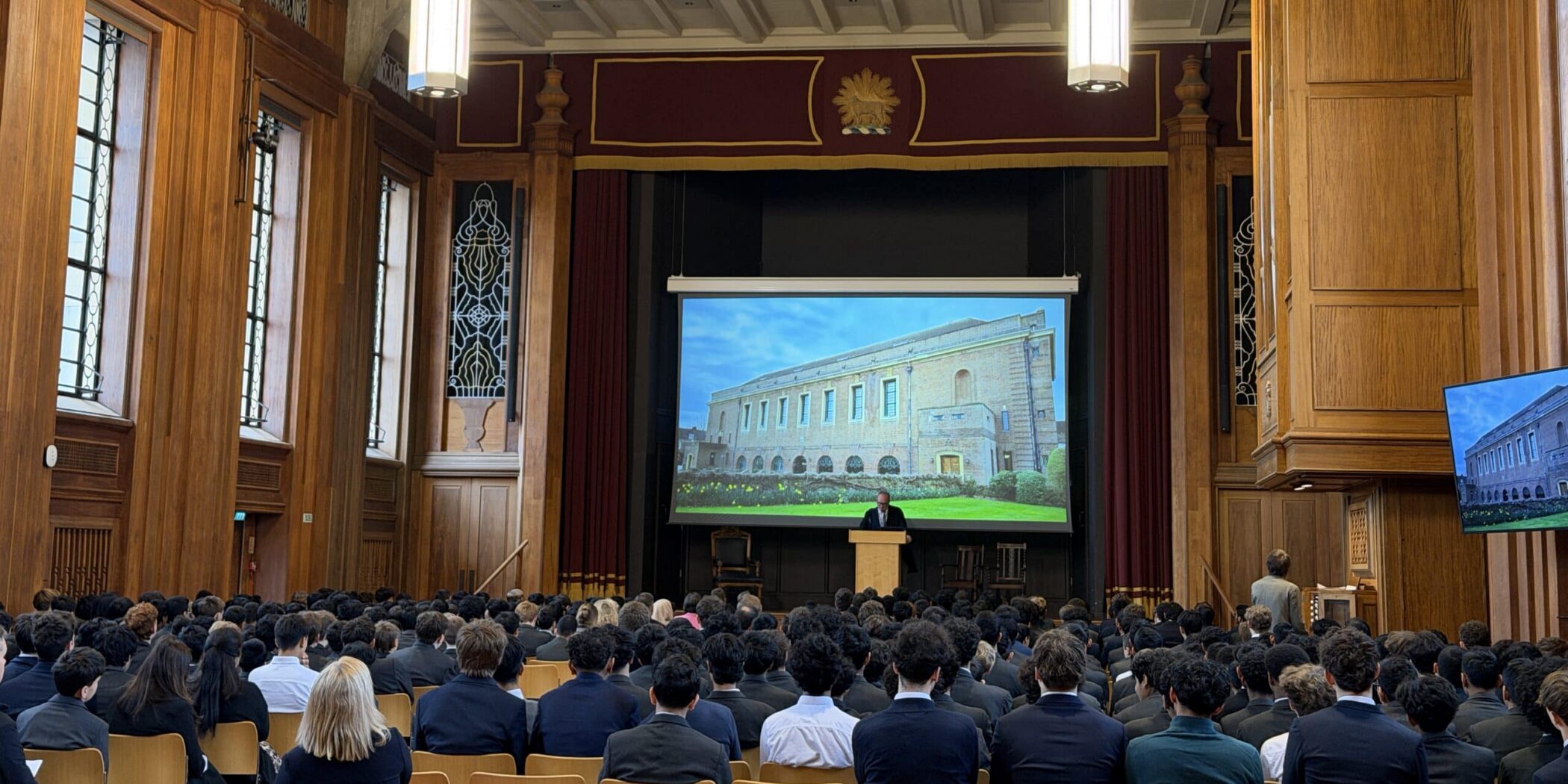

Over the past month, the Engineering society has had the opportunity to invite three brilliant speakers to Merchant Taylors’ School to perform lectures regarding their experience in engineering. The quality and turnout of these lectures rightfully warrant an Engineering Society monthly recap.
writes Magnus C (L6th)
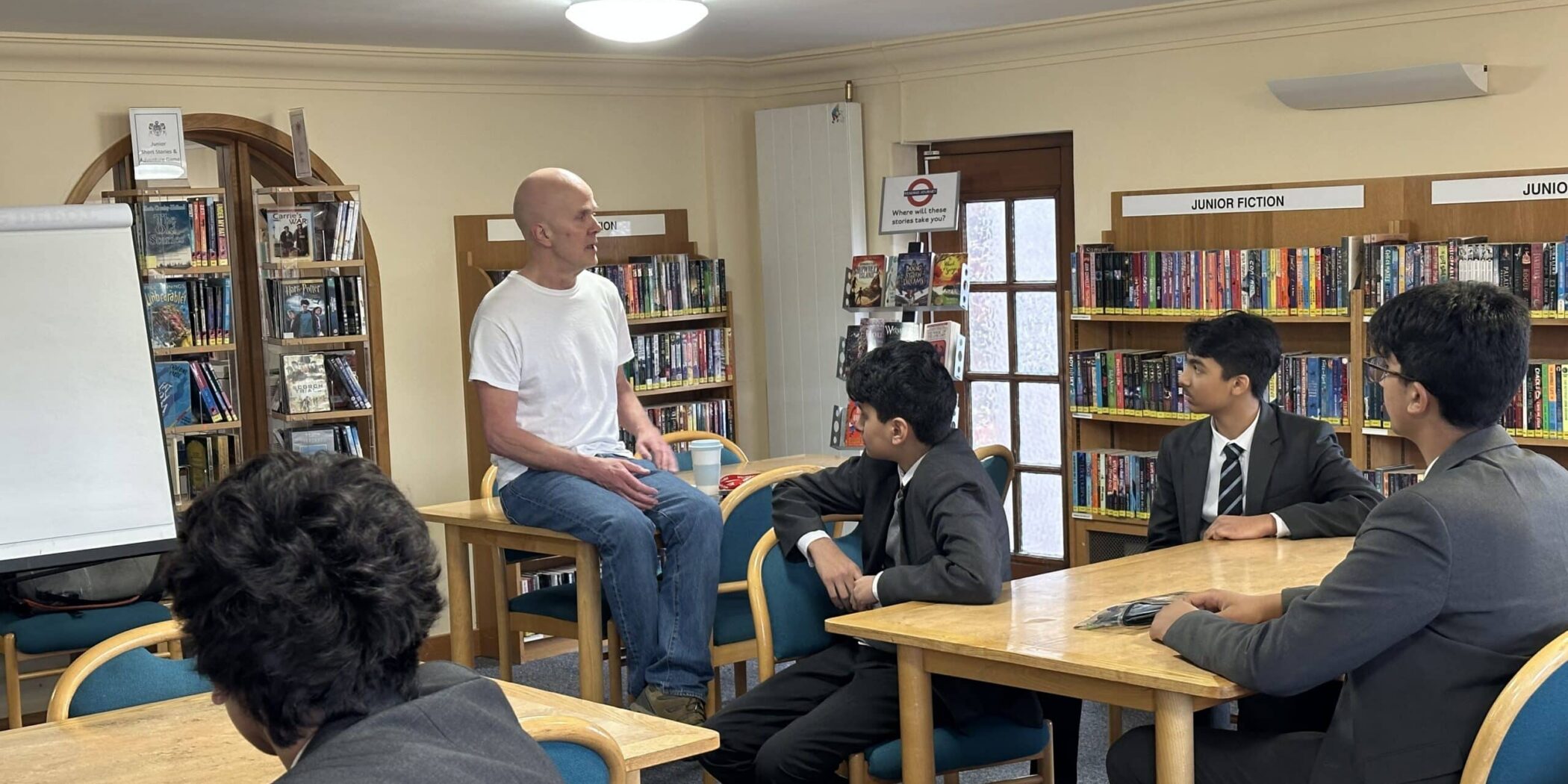
On February 7th, George Bindloss (OMT) gave a riveting lecture regarding his experience as a design engineer at Imperial College London, and the steps he took to get there.
Mr Bindloss provided us with a wide range of topics to reflect on, beginning with a brief overview of his gap year after A-Levels at Merchant Taylors’, temporarily working on site as a DT technician to provide funding for his travels later in the year. After his travels, George was accepted into Imperial College London, where he is completing a Masters course in Design Engineering. He outlined that, although he was going into the course a year older than most students, he did not feel disadvantaged nor isolated, but instead, invigorated to work from his time off and socially unaffected by the age gap between him and his peers. He urged us to consider gap years before rushing into life at University if it suited us, as he did not pay it much time until he was forced to – and regrets not looking into it further before.
After this, he described the main contents of the course, referencing the individual modules that he completed and how his creative freedom has increased as his time at Imperial has progressed. He explained that, although the premise of Design Engineering is less computational and mathematical compared to other Engineering courses, there are still coding and maths modules in order for students to access all reaches of Design Engineering, and develop a wider Engineering understanding. George showcased the society a wide range of projects and assignments that he has worked on, including a human interactive robot that can balance on a netball, and an app which is designed to assist women with staying healthy during menstrual cycles. His projects indicated a wide range of skills and expertise in hands on practices learnt from the course – a set of aspirational qualities in an engineer.
The lecture ended off with a lengthy Q&A session, with insightful questions provided by the MTS boys. These were answered adeptly, with Mr Bindloss providing great answers on questions such as: ‘Would you do a gap year again, given the choice?’, and ‘What separates Imperial College from other universities in engineering?’
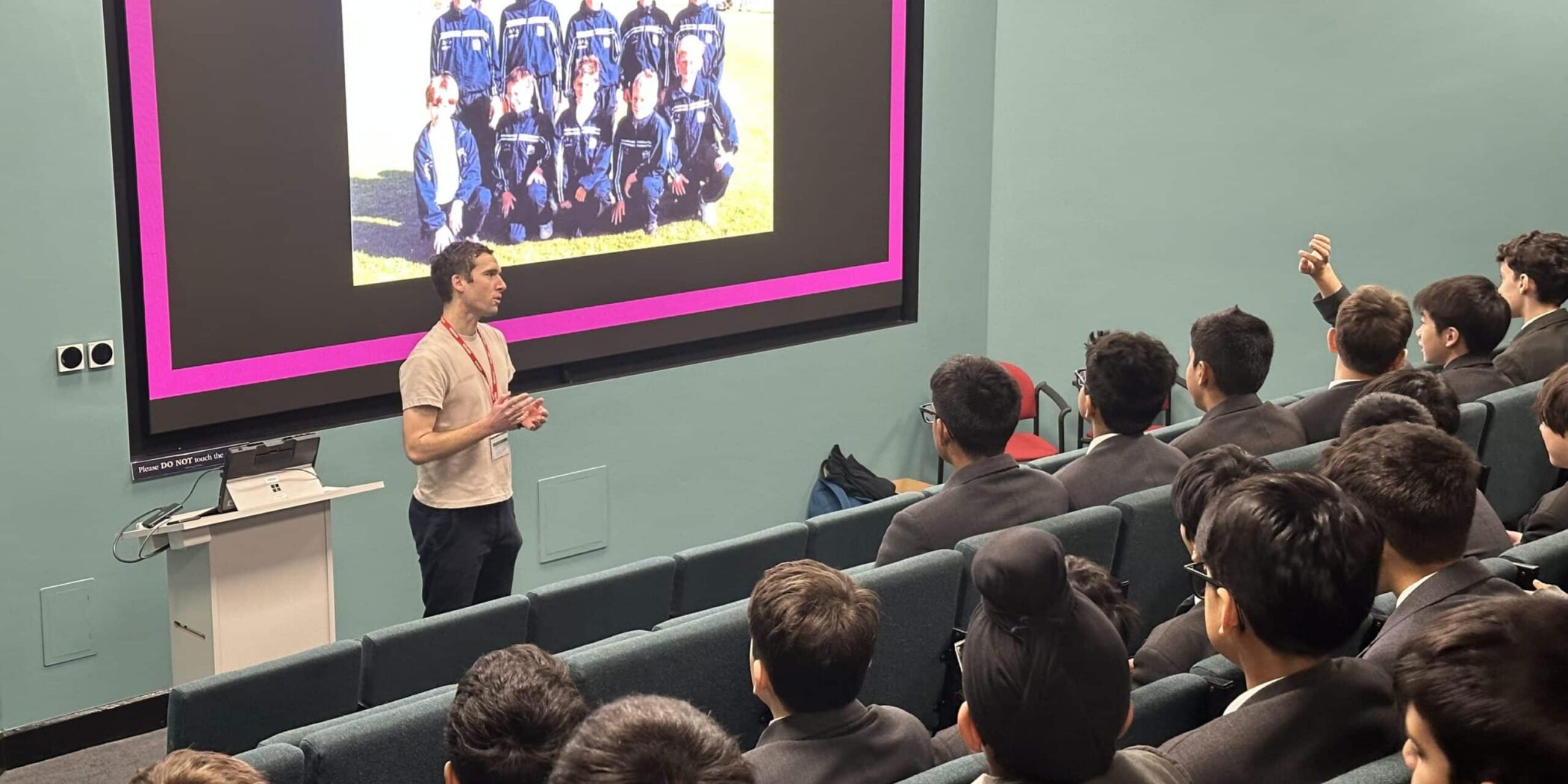
Two weeks later, on the 28th February, EngSoc hosted Mat Waterhouse, a Robotics Engineer at Amazon. Mat outlined to us how robotic learning has developed over the last decade, becoming less restricted and more complex due to machine learning – and how Amazon use these methods to create more efficient factory systems. Mat also explained that Engineering was a career path he never envisioned going down until he started his job at Amazon, due to the fact he had studied English and Humanities at university. His growth into an Engineering role highlights how Engineering is such an open and accessible sector for careers.
Mr Waterhouse described his role at Amazon robotics, working closely with developing autonomous robots that move and collect packages and storage pallets around the factory. They are integrated with sensor technology to prevent damage and accidents, and their brain is a part of a larger AI network that controls the movement of the robots for maximum efficiency. He outlined that Amazon use robotics for almost every factory task, from sorting packages by size to transporting them across the factory.
The comprehensive lecture rounded off with a Q&A session led by the listeners, with questions such as : ‘How will the use of robotics in industry develop in the future?’ and ‘How does this development in robotic technology change the role human workers at Amazon?’. Mat responded to these big issue questions with some insightful answers, outlining that robotics will change to become fully independent of parameters, developing to learn on its own and function as an advanced human brain – making tasks more efficient and faster. He also assured us that these robots are not taking people’s jobs at Amazon. Instead, their skillset is being updated to work with the robots – whether that be maintenance, coding or quality checking the processes of the machinery at Amazon.
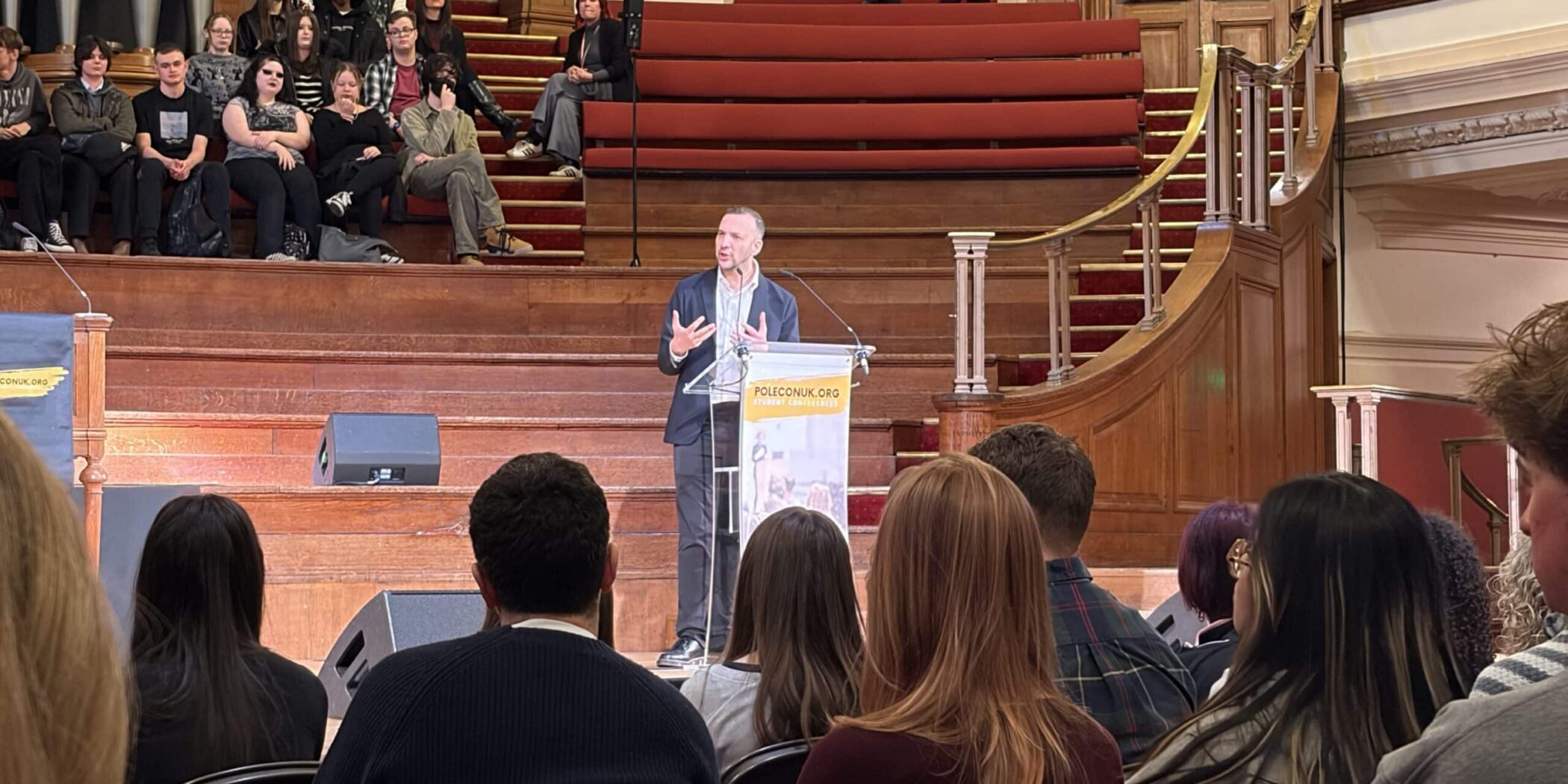
Our third and final talk in the past month was a civil engineering talk led by Terry Cakebread on the 7th of March. Mr Cakebread, a chartered Civil Engineer at the Institute of Civil Engineers, performed his lecture on the benefits of being a Civil and Structural Engineer, as well as providing a look into the world of Engineering. He walked us through his journey through Engineering, developing from a Junior Designer to a Senior Coordinator, and also outlined some of his favourite projects. One of these included his work on refurbishing Tower Bridge in the 70s, a very complicated and time consuming project.
Terry explained to us that his job as a civil engineer is vastly varied, working with his parent company while being assigned to tasks over the year, whether that be big or small. He stated that his job has taught him a great range of technical skills working with such a wide range of projects, bringing him abroad as well as working all over the country. He emphasised that Civil Engineers are the backbone of society, working to make safe, useable structures that support mankind.
His talk rounded off with a Q&A session, where he answered a high volume of questions very adeptly, providing answers to questions such as ‘How will the role of civil engineers change in the future?’ and ‘Are there any structures that you would like to challenge yourself with working on?’.
The Engineering society would like to give a great thanks to all three of the speakers that have come in to perform lectures over the past month – all talks were exceptionally received and provided great intellectual stimulus.