

Writes James Fields, Chaplain
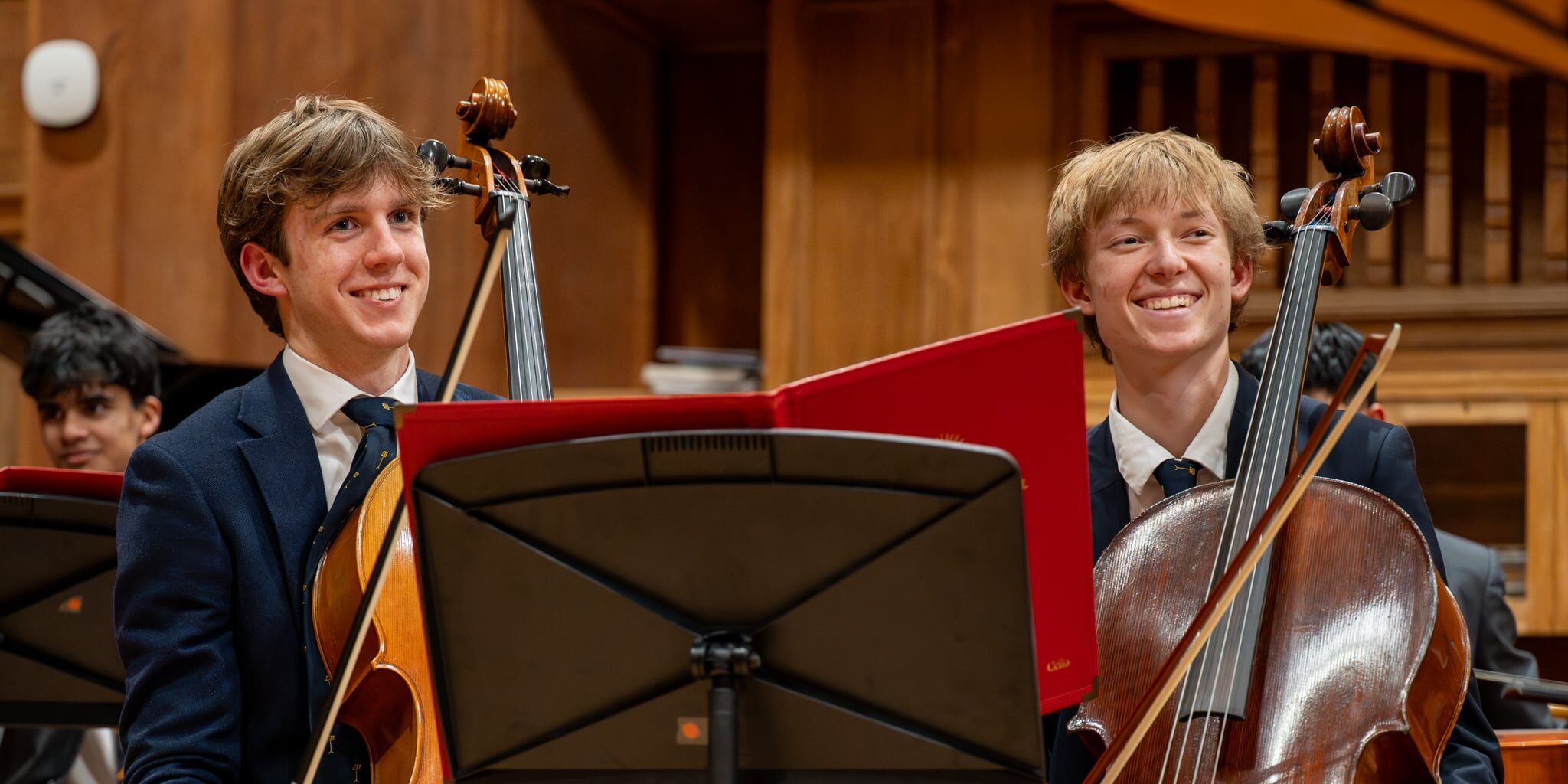
“Perfect!”, beamed the conductor. Mr Crawford had just shared a technique whereby you don’t quite sing what’s in the manuscript of Mozart’s Requiem. This allows the choir to make an authoritative, clean entry in one of the trickier movements.
I wonder if Mozart, often credited with musical perfection, would have noticed?
If you were at the performance on Monday evening, did you?
This term, Pam Llewellyn (Head of Counselling services) and I have enjoyed hearing pupils’ thoughts on what perfectionism means to them. We considered the demanding expectations we often impose upon ourselves: “Best isn’t good enough: it has to be … perfect!” There were some fascinating but also unexpectedly humorous moments as we unravelled some of the curious tapestry of aspirations and ambition we weave for ourselves.
The language of faith often implies powerful expectations, destining us to fall short of the things we say we believe. We can be our own harshest critics and place a heavy burden upon ourselves. But is this helpful, or even kind? I believe Jesus put the human back into humanity by being real and realistic. He never promoted perfection, but rather, he did encourage us to consider the tangled web of our human condition.
In a recent assembly, Mr Leech noted how a piece of art moves from concept to finished piece with the satisfaction of knowing when a desired result has been achieved. He didn’t talk about perfection – instead, he talked about process and perseverance. After all, is there such a thing as a perfect piece of art or sculpture, a perfect stage performance or rugby match? Is there such a thing as the perfect performance of Mozart’s Requiem? Probably not. But any performance can inspire, can send a tingle down the spine … although not a shudder, one hopes!
Notably, none of the great religious traditions represented at this school promote perfection. Instead, they emphasise the quality of our journeys. As Robert Louis Stevenson reflected, to travel hopefully is a better thing than to arrive.
Persian rugs with their wonderful detail and geometric patterns speak of the intricacy and wonder of creation … testament to faith in the Creator. But woven into them is aways a deliberate flaw, reflecting the belief that only God is perfect. We are not called to carry such a burden. At Easter time, we honour the compassion of a God who identifies with our human imperfection. Therefore, this Easter, in our sorrowful yet still beautiful world, I ask you to strive to be kind – not only to others but also, to ourselves.
Fall a little short of perfection and smile!