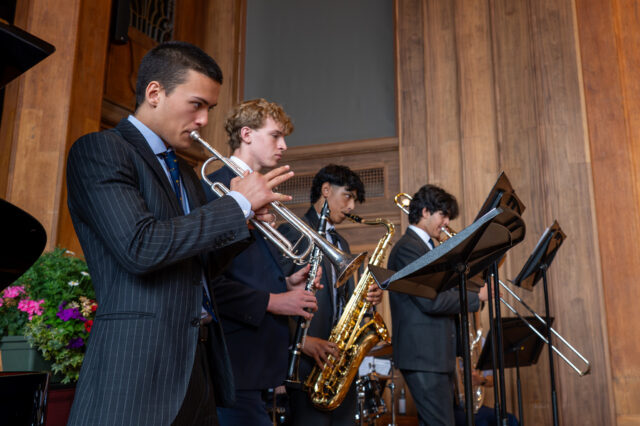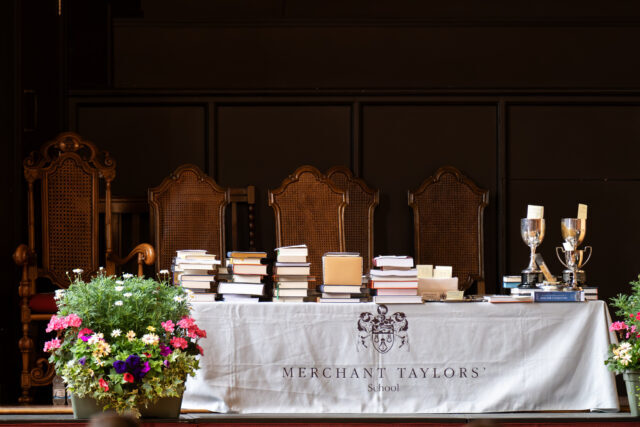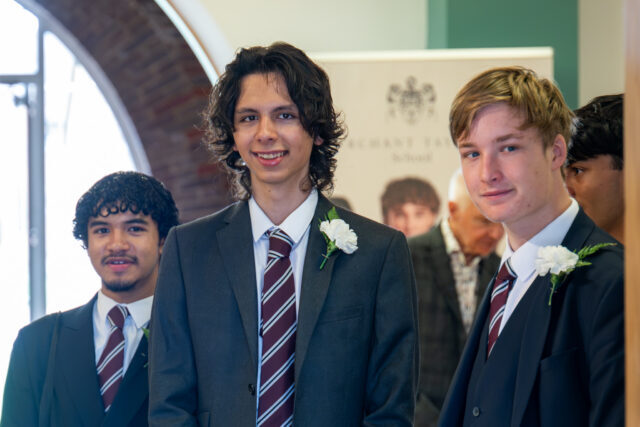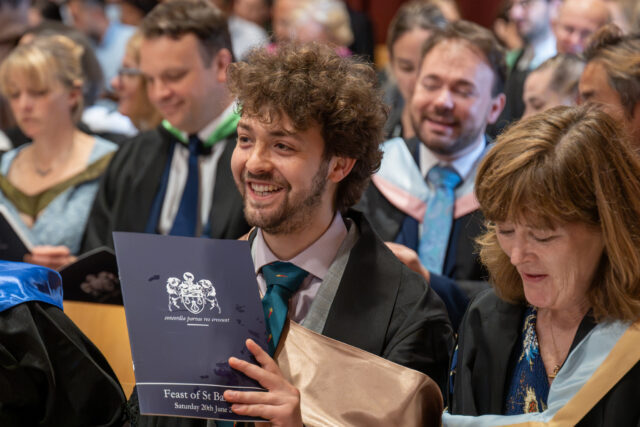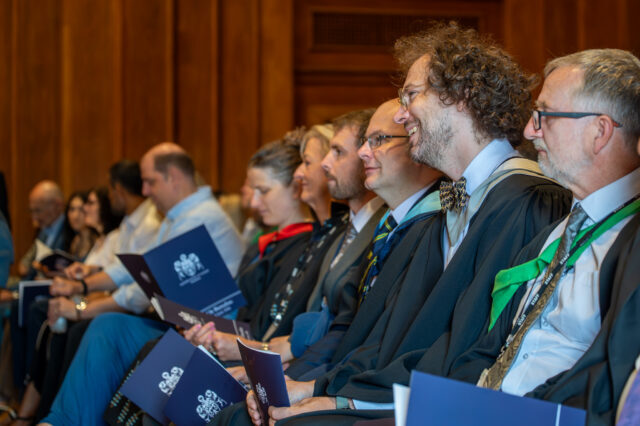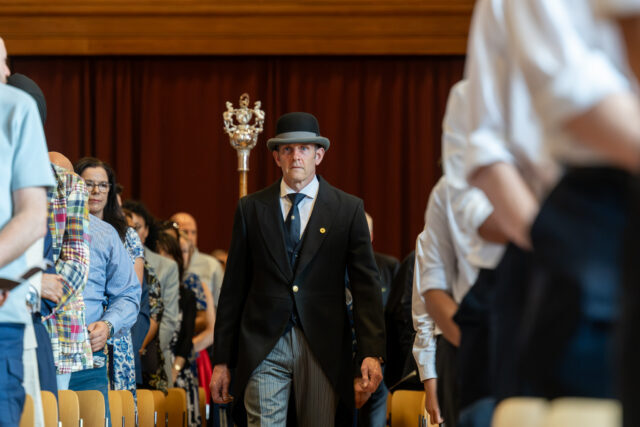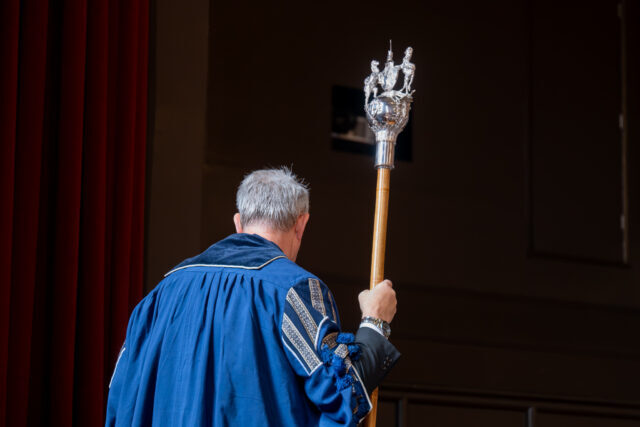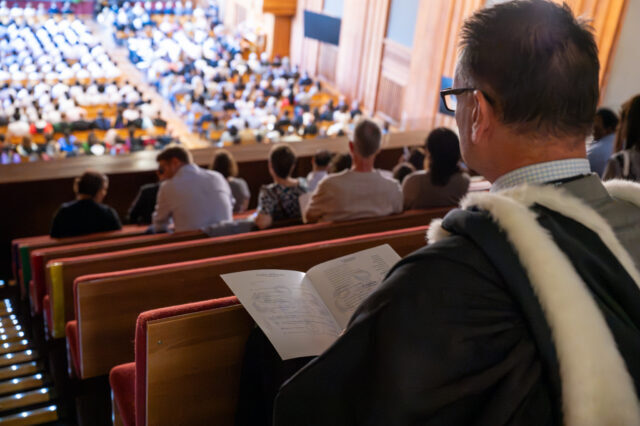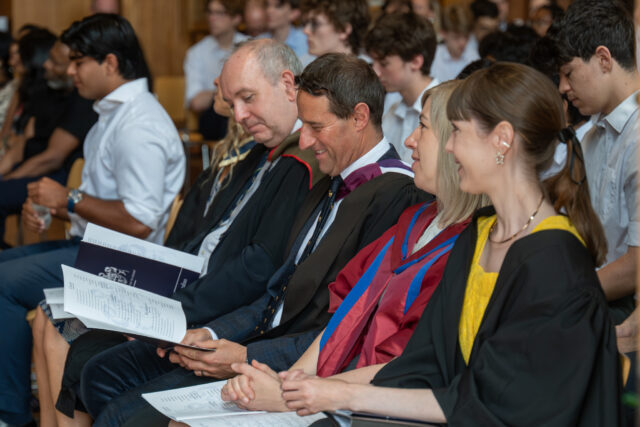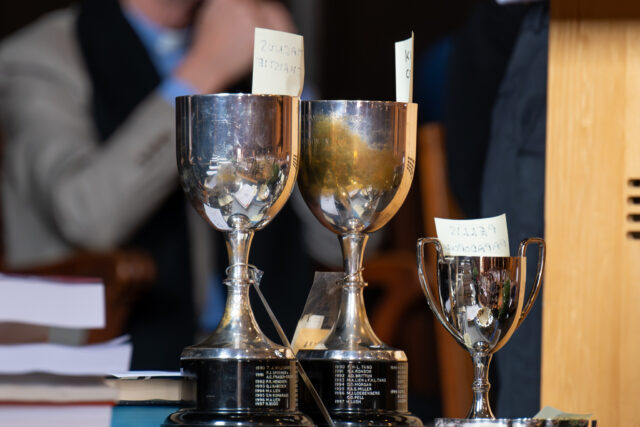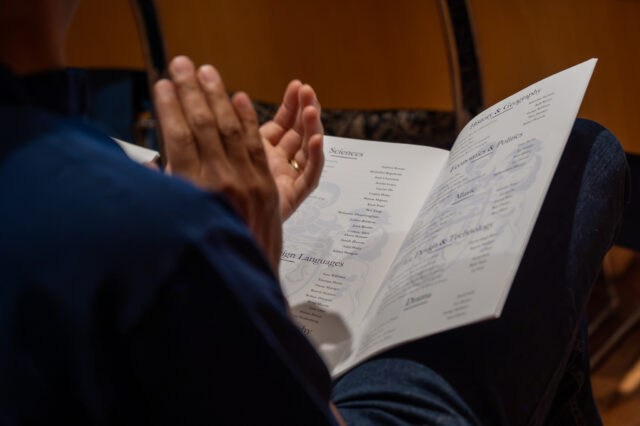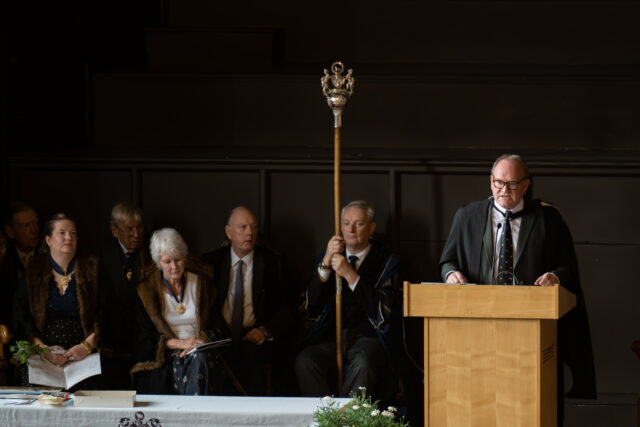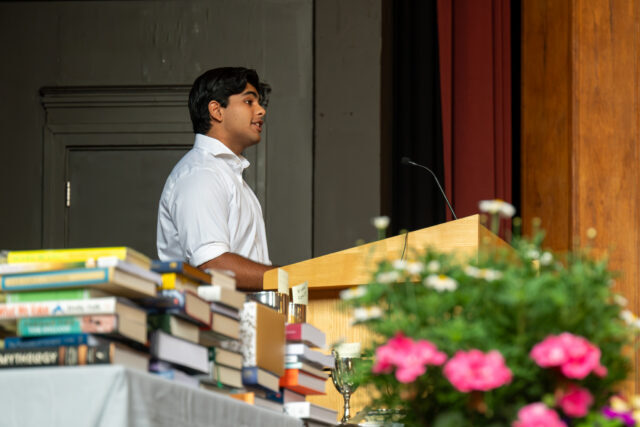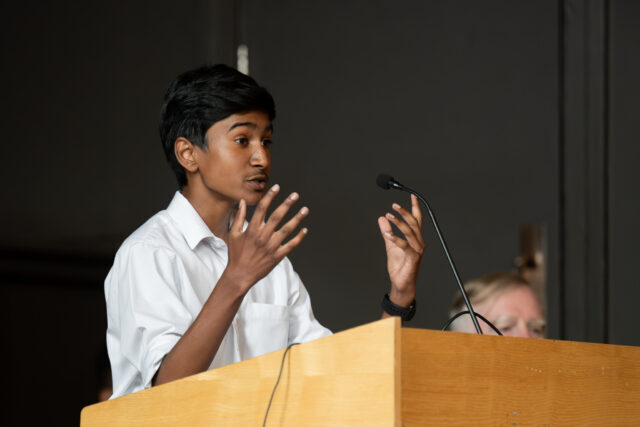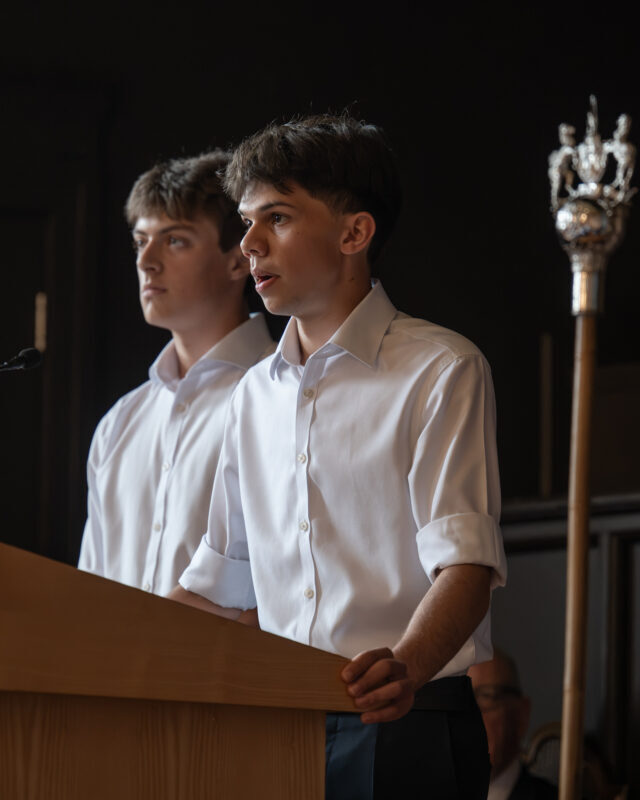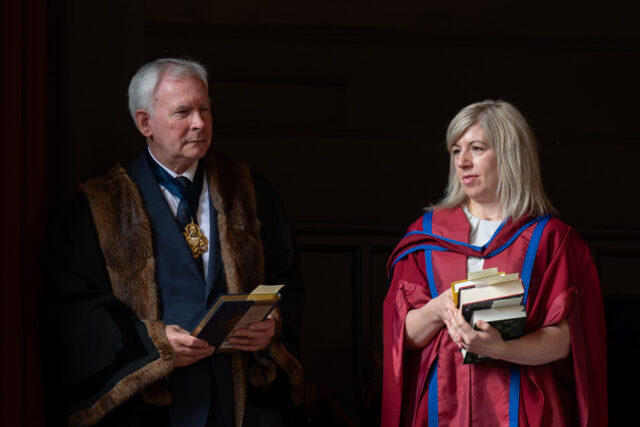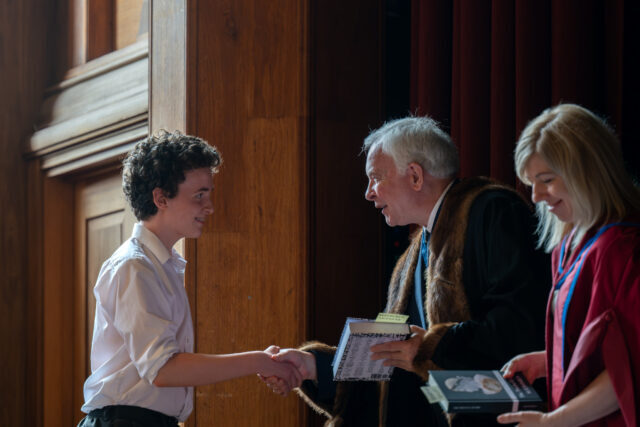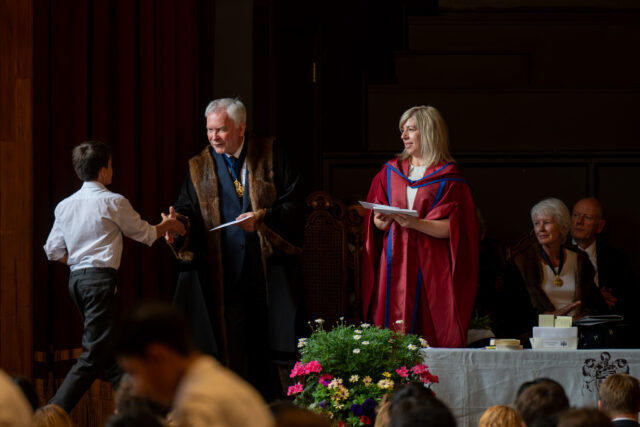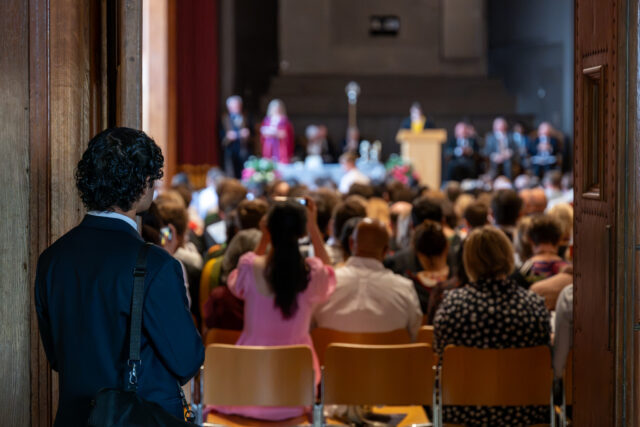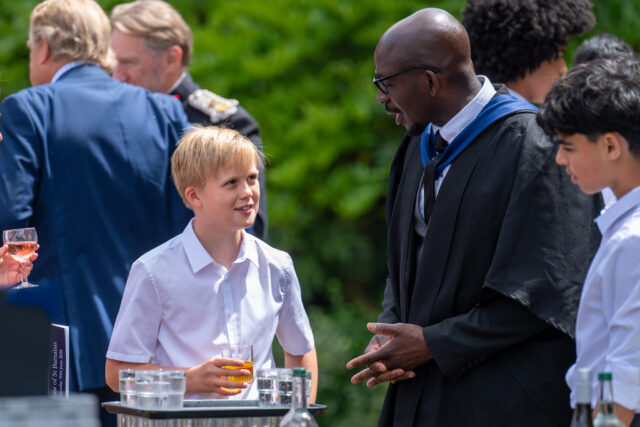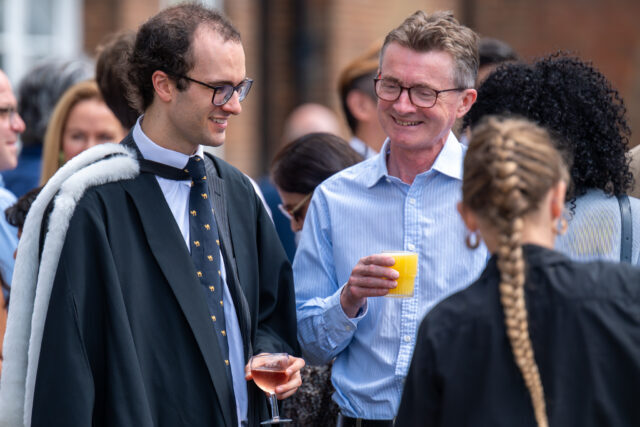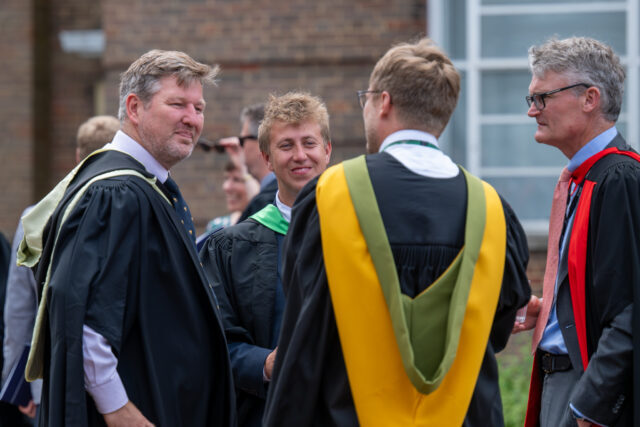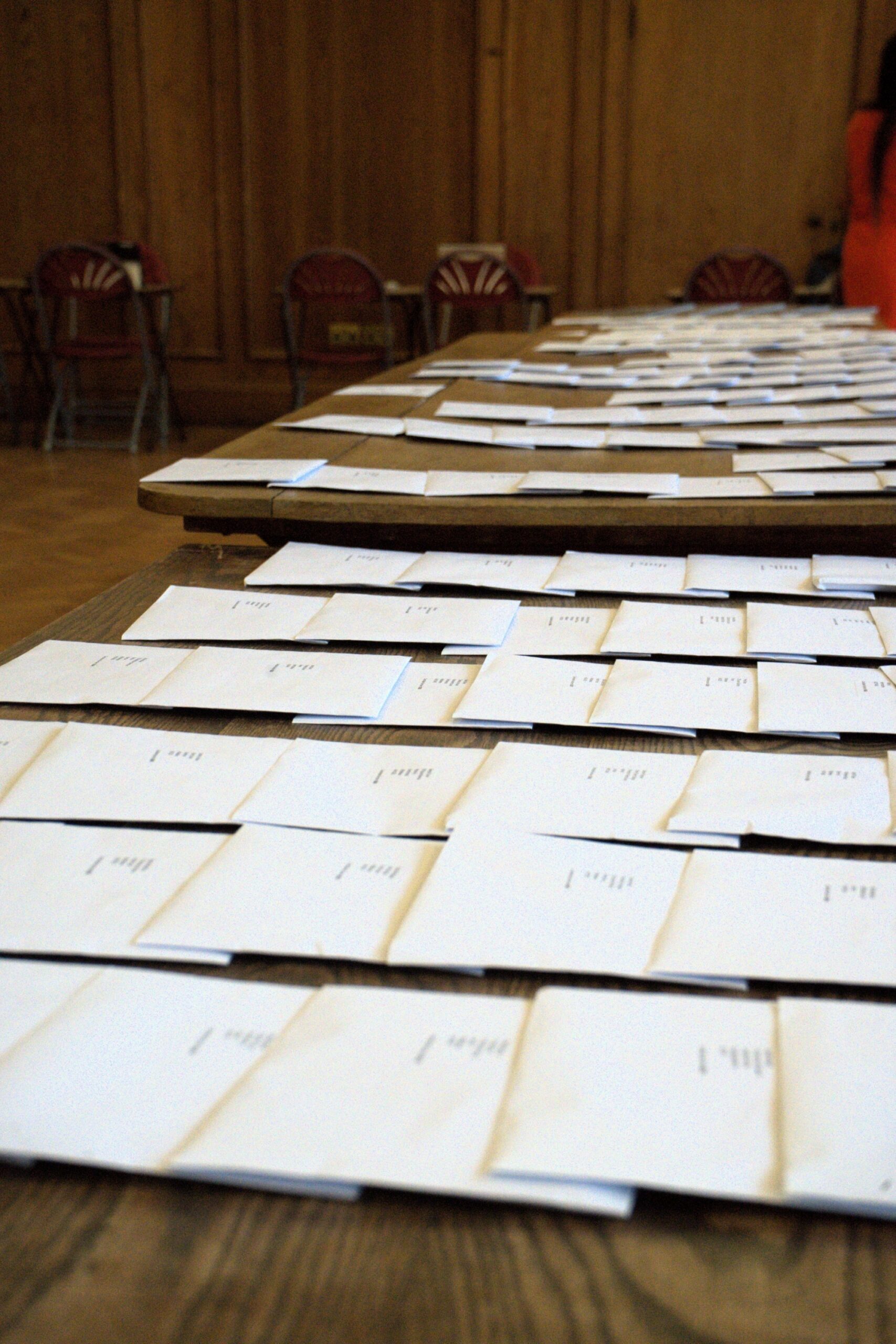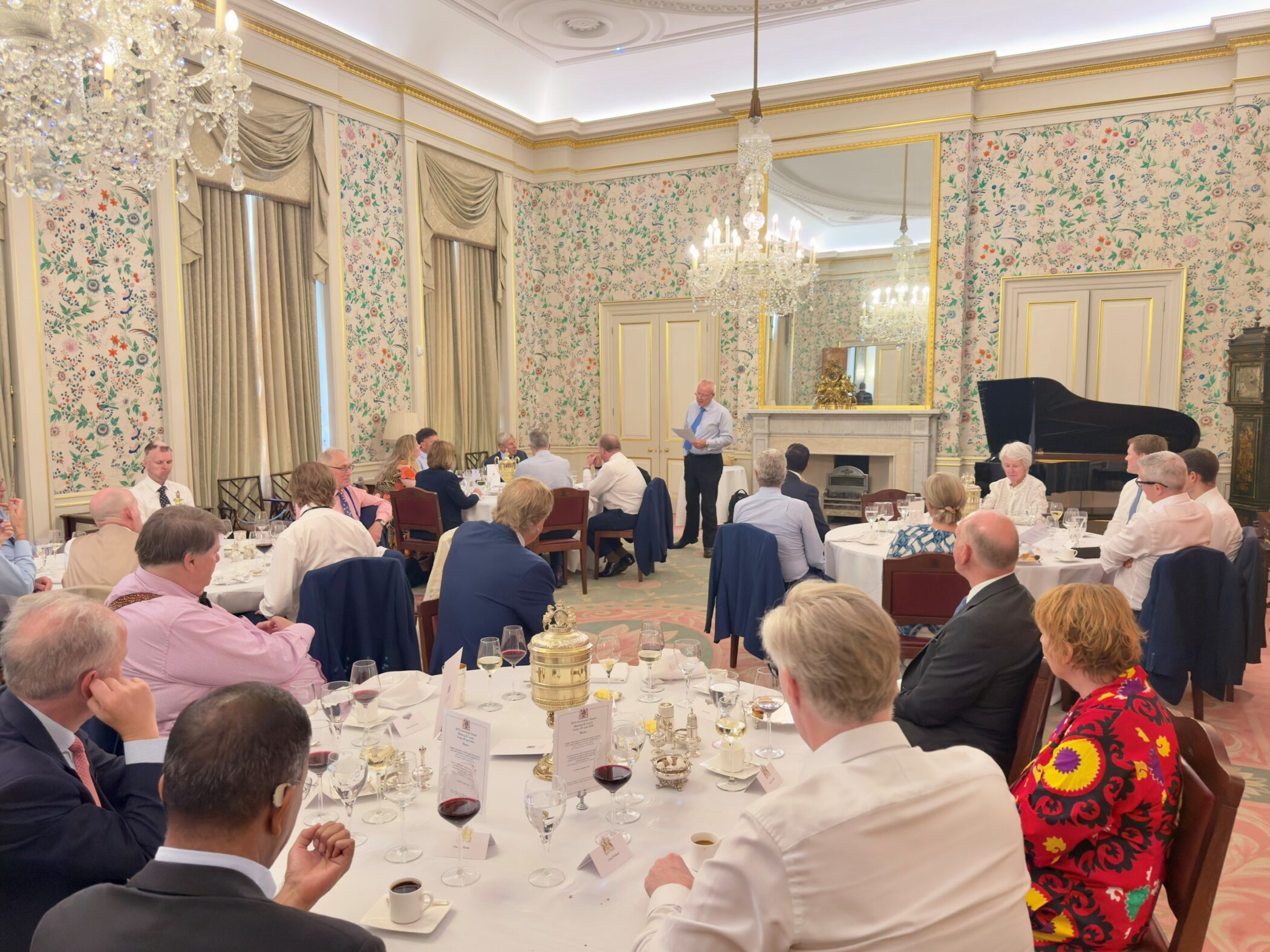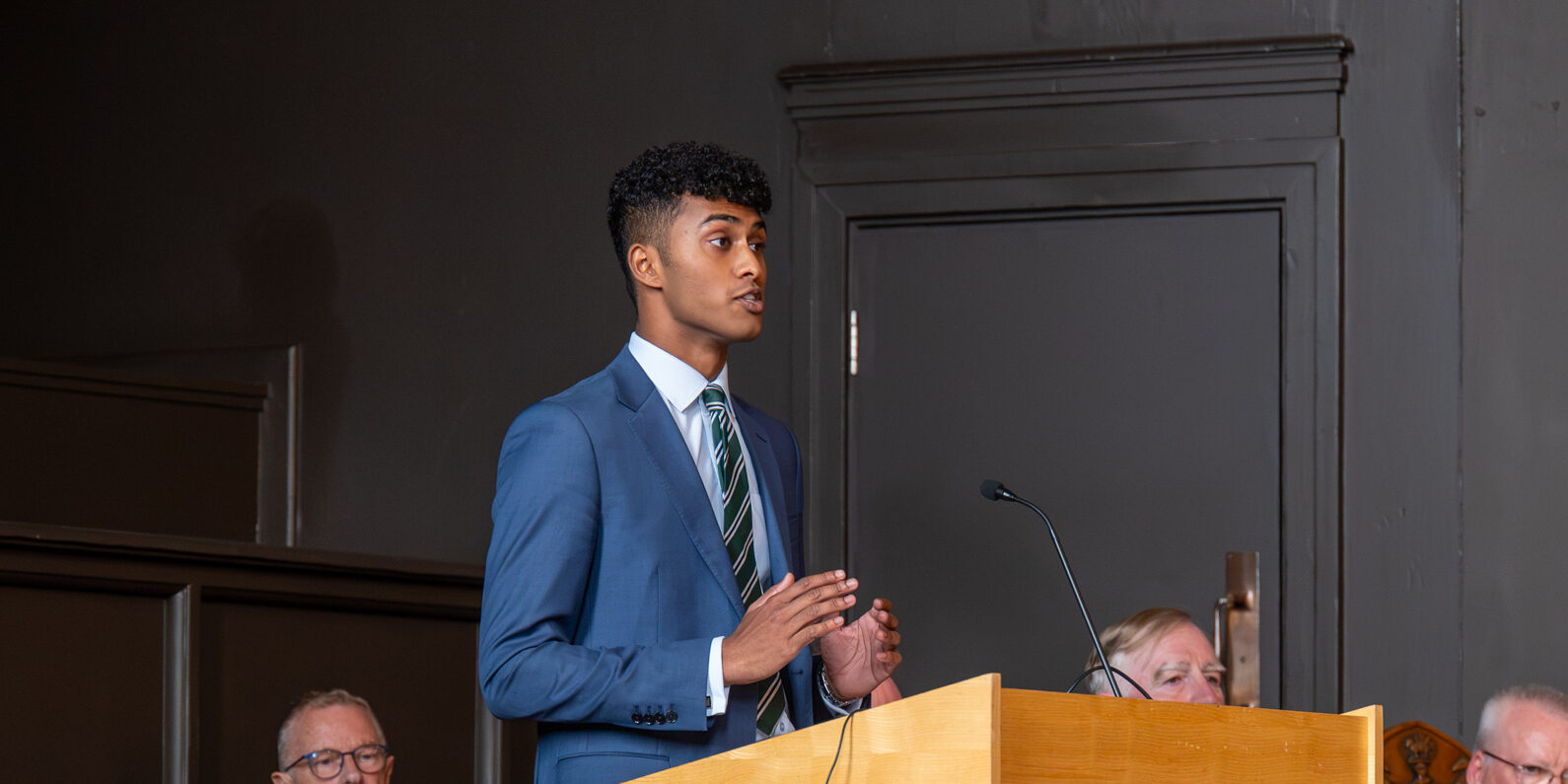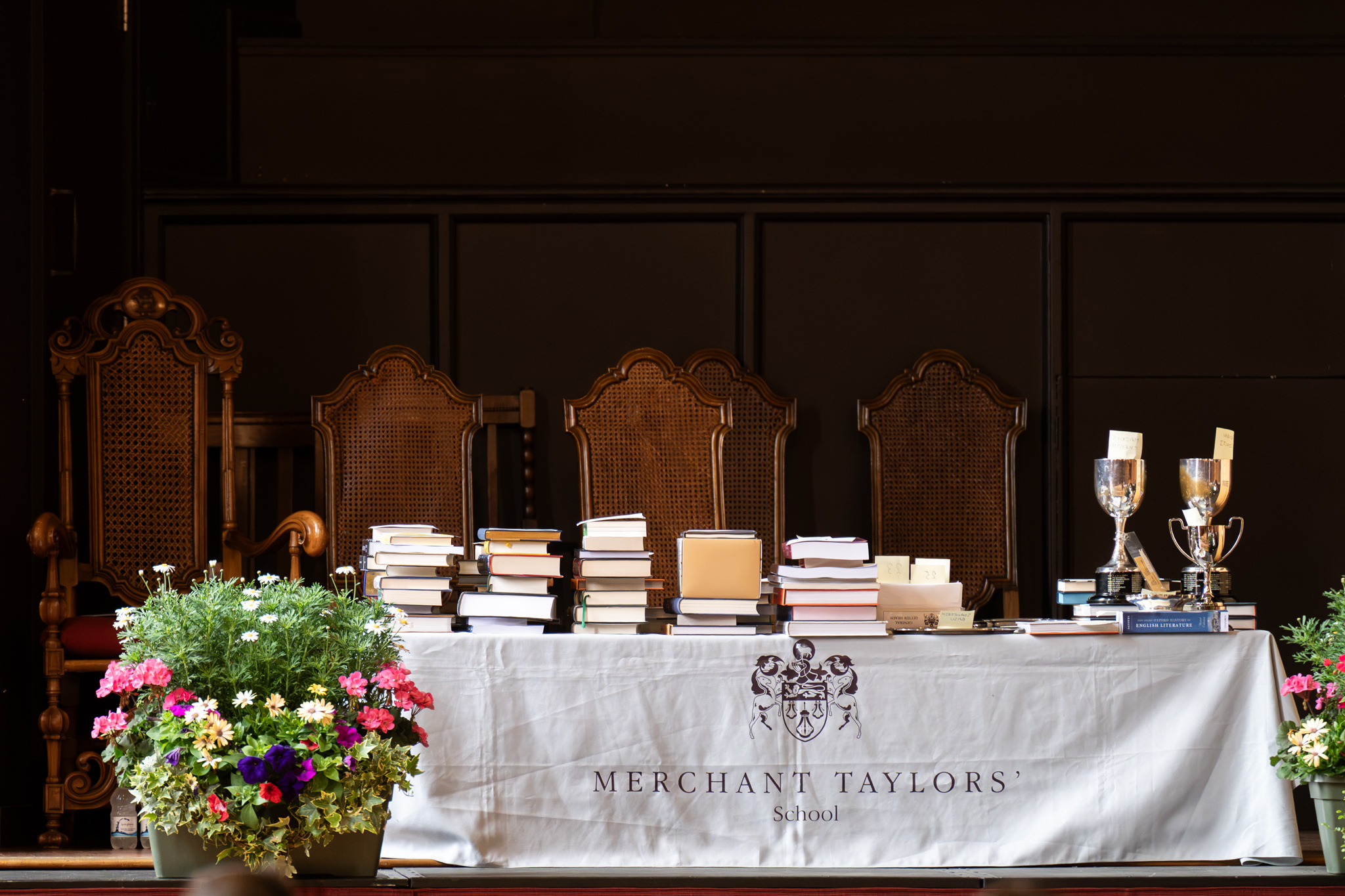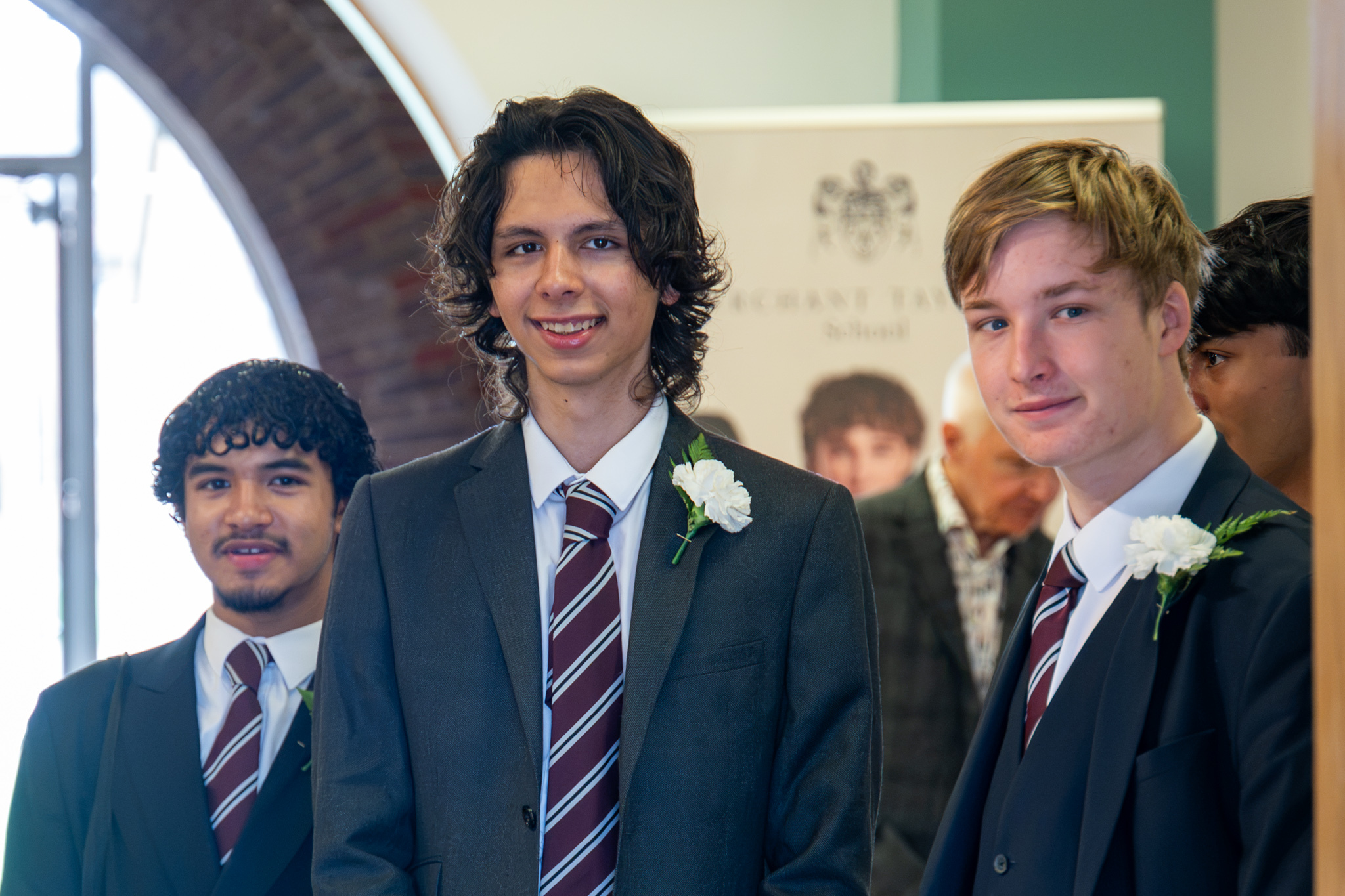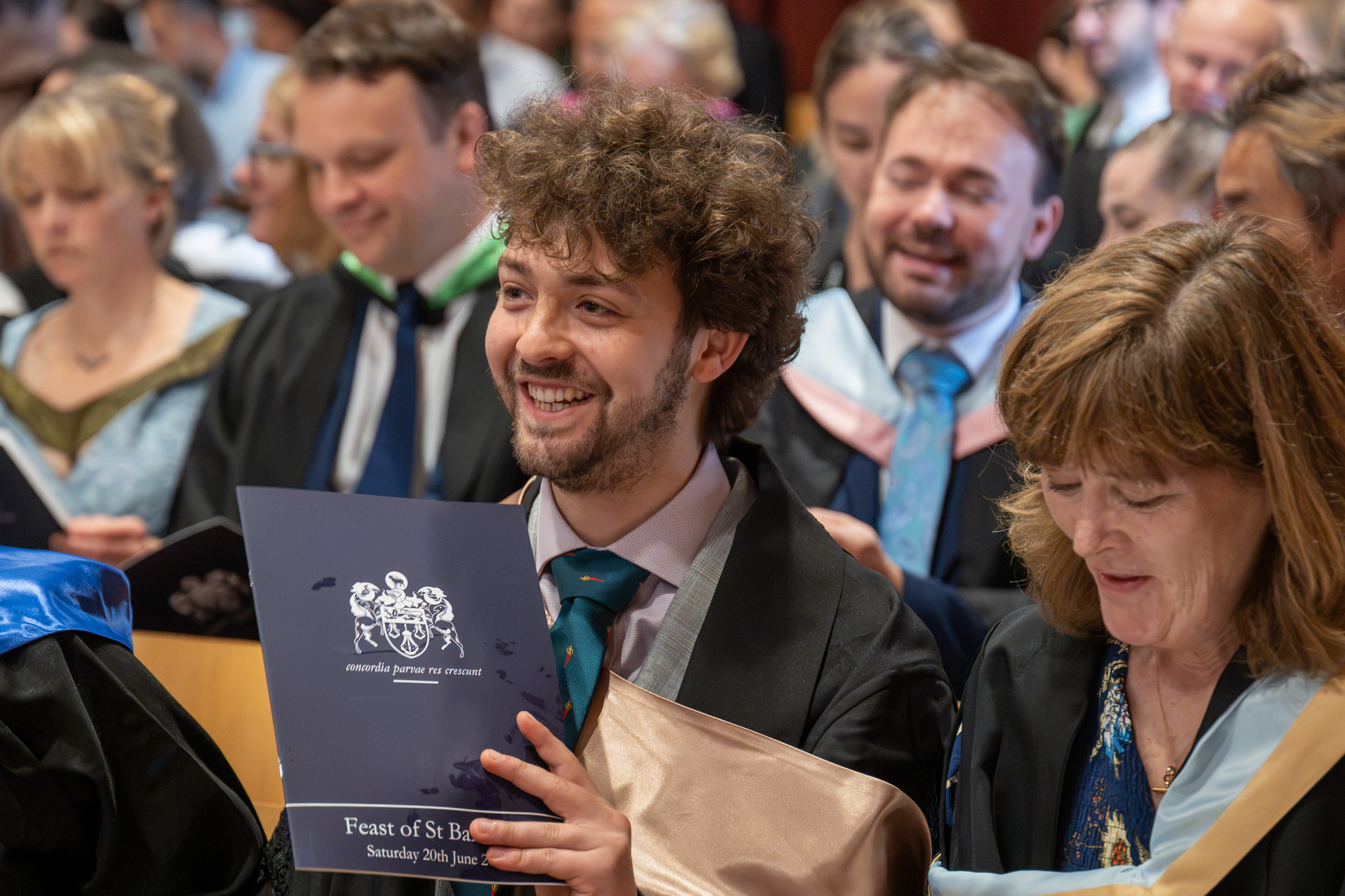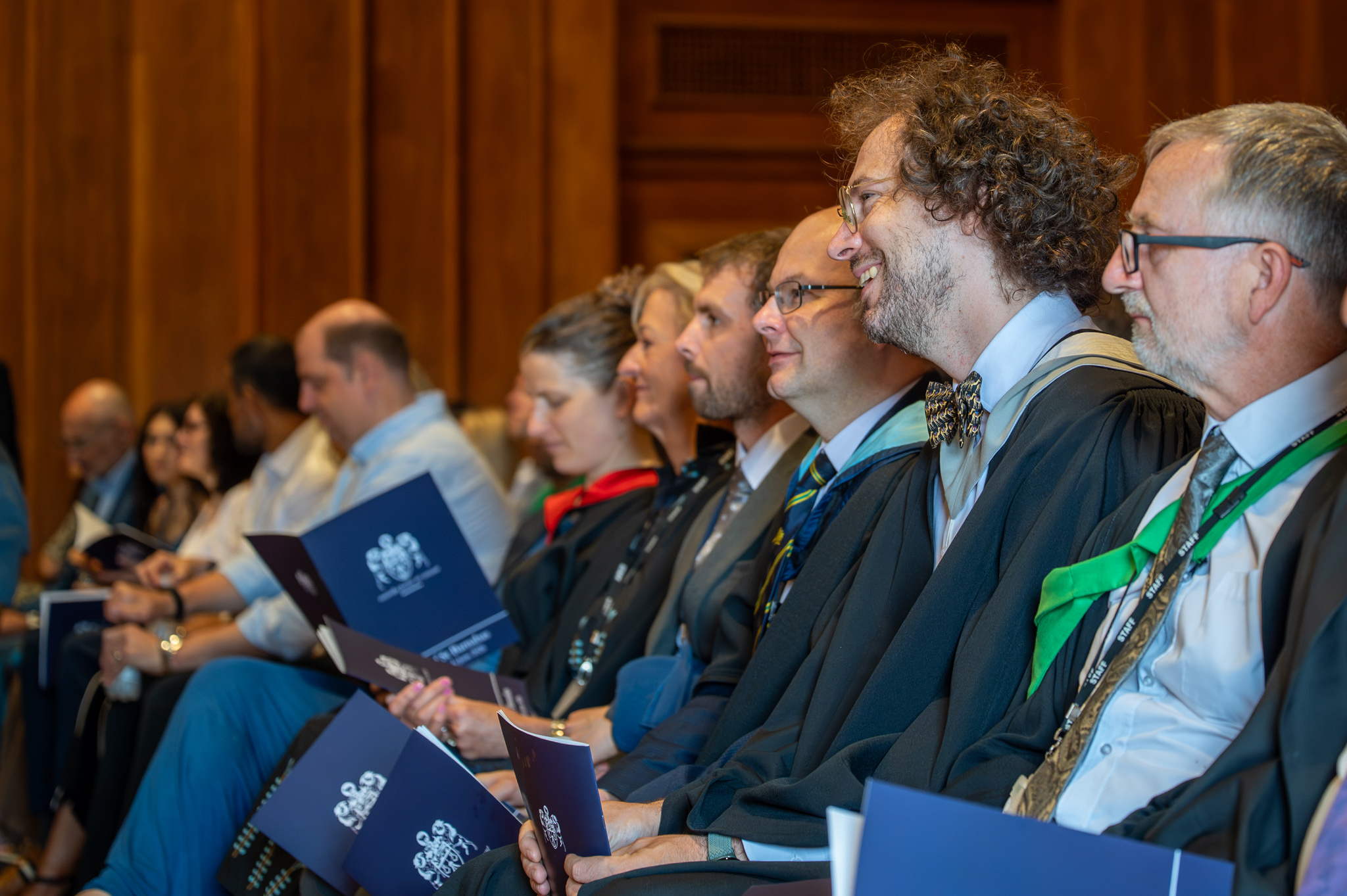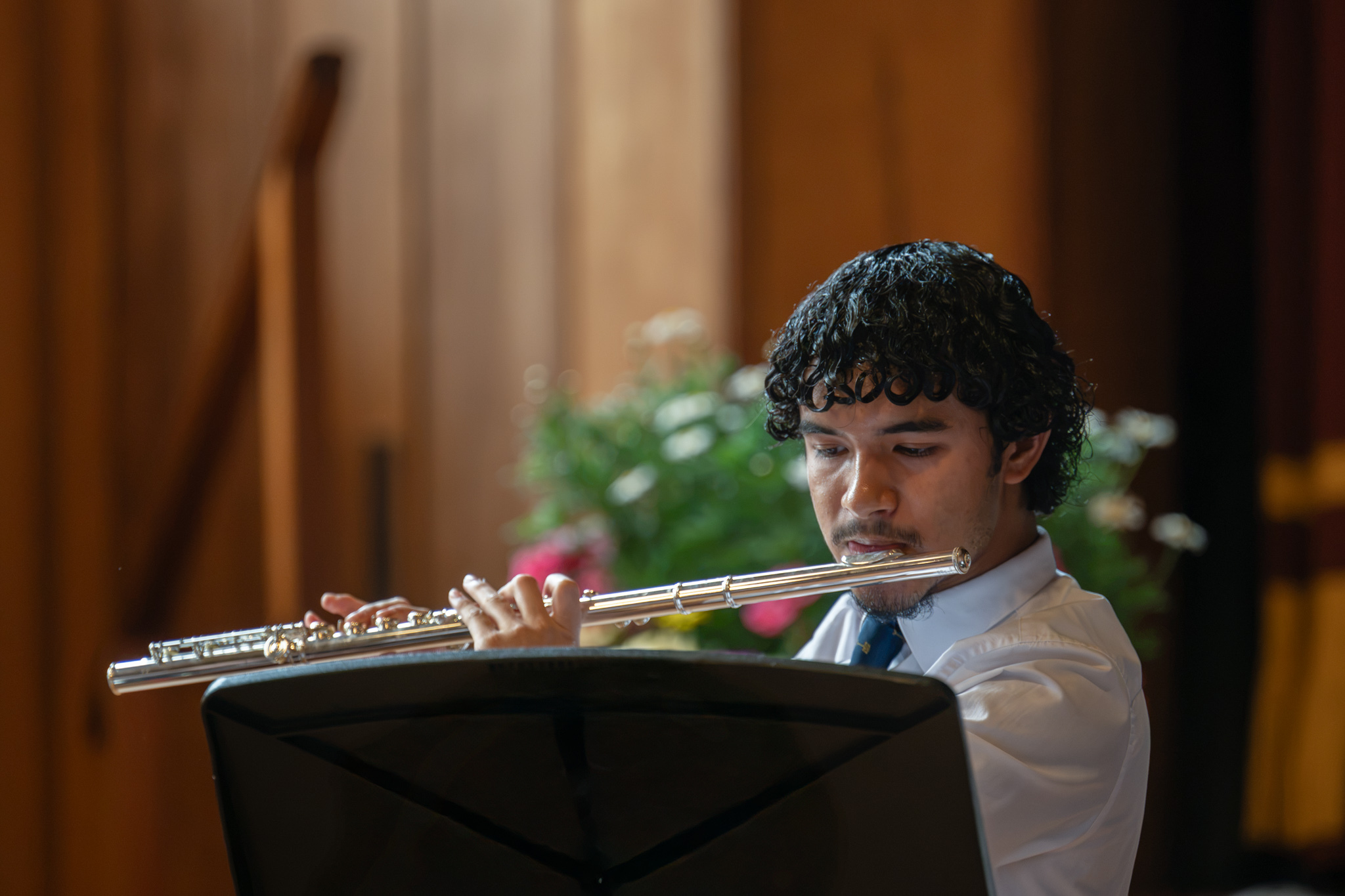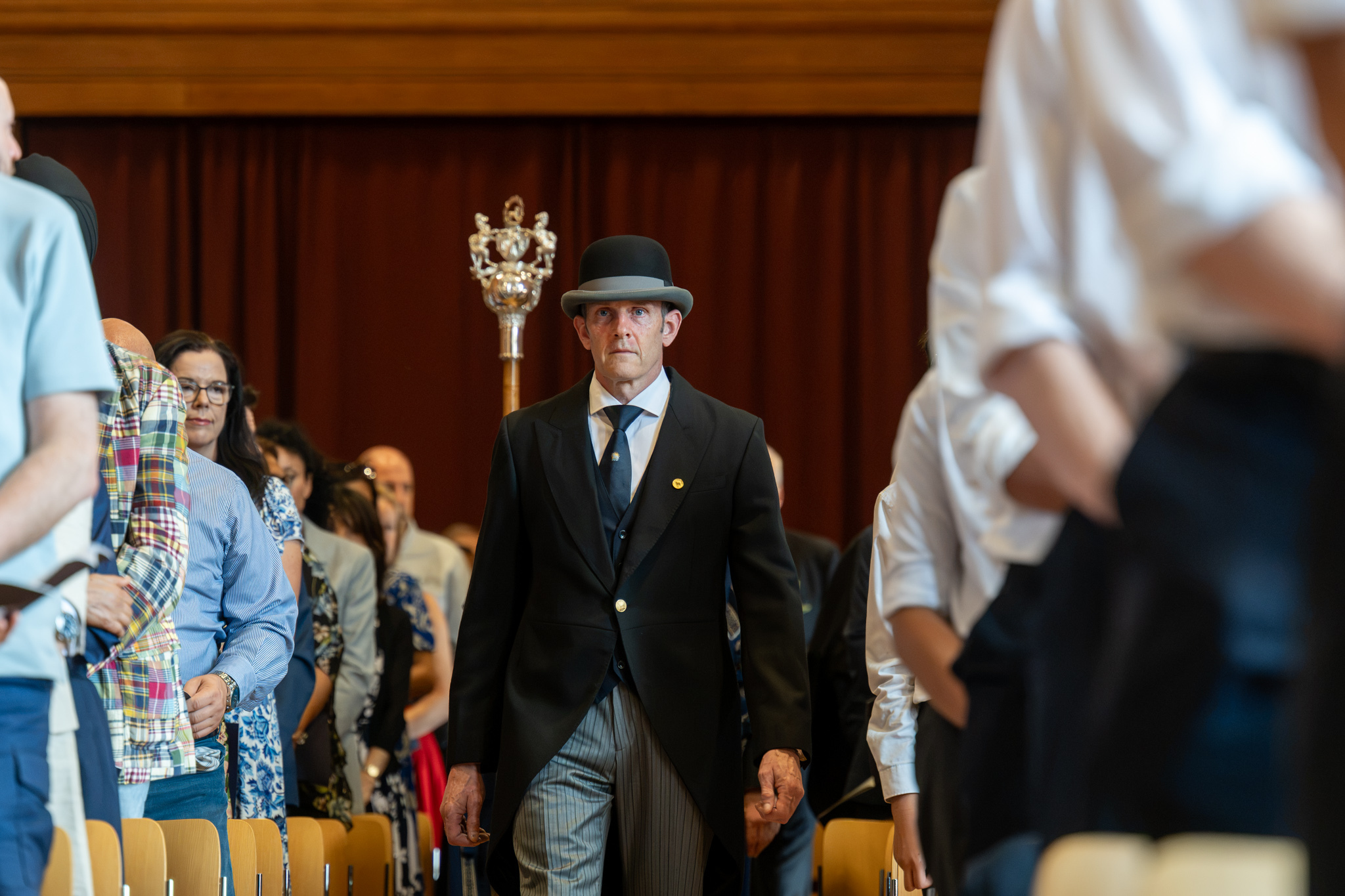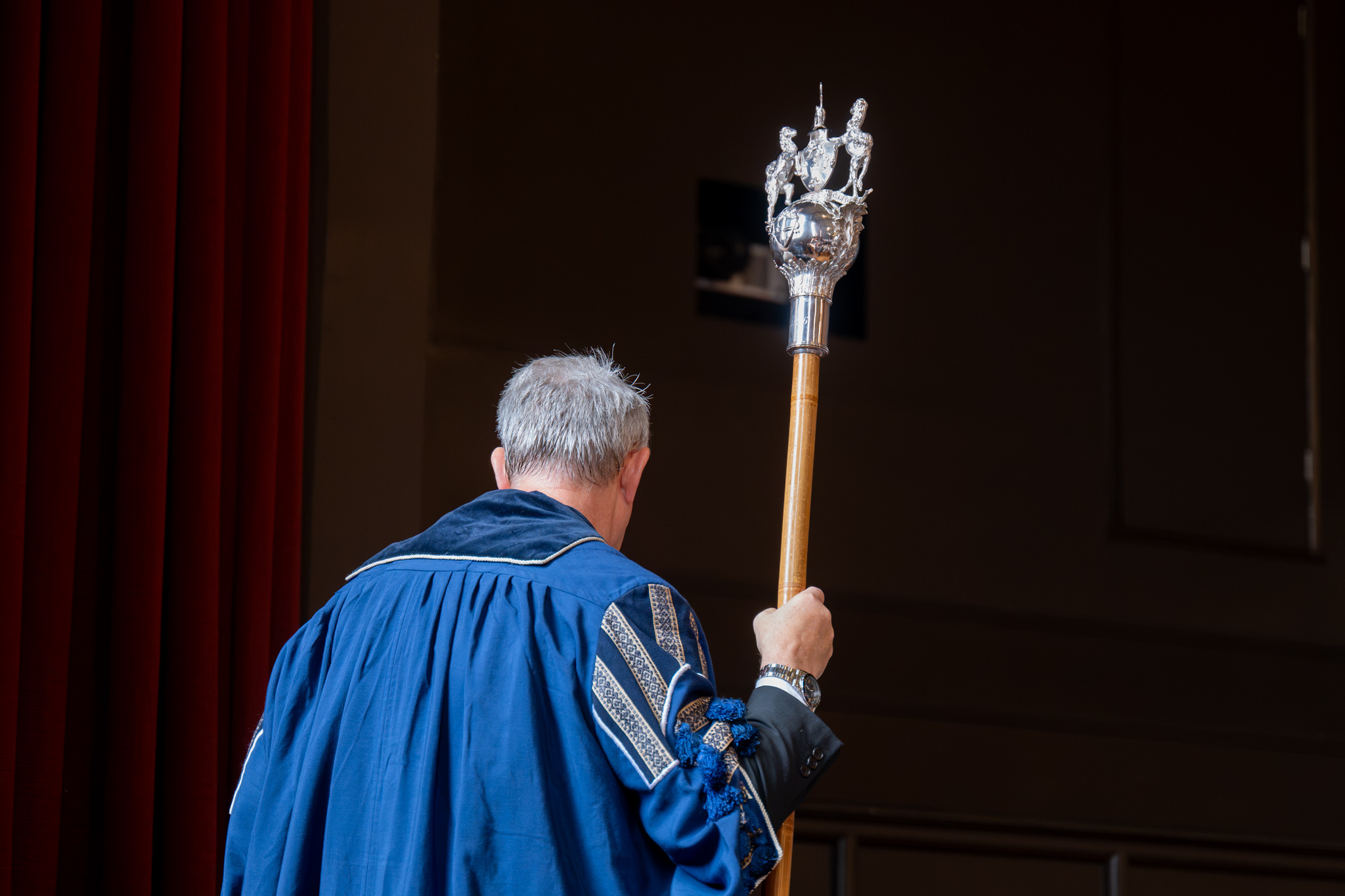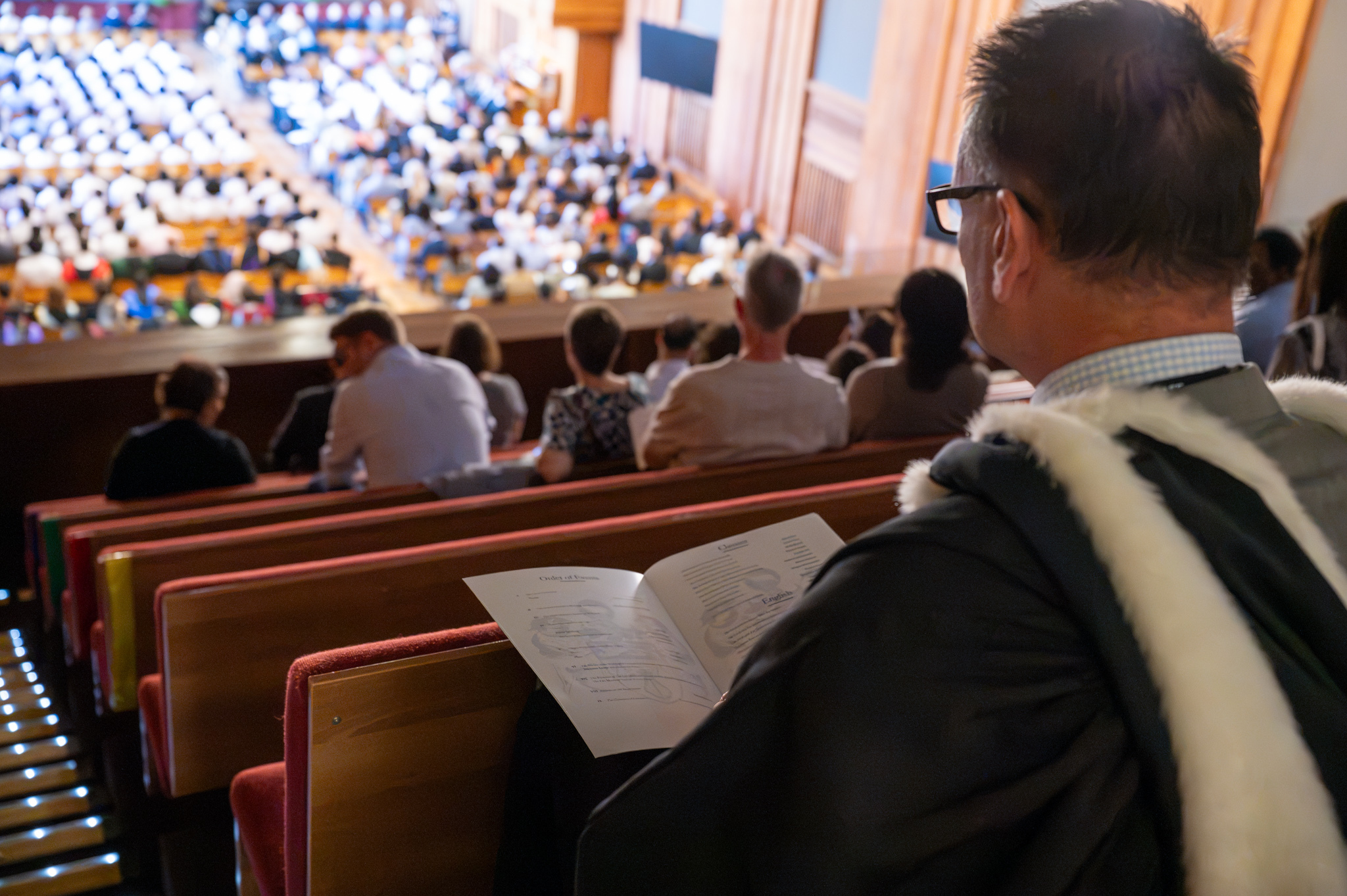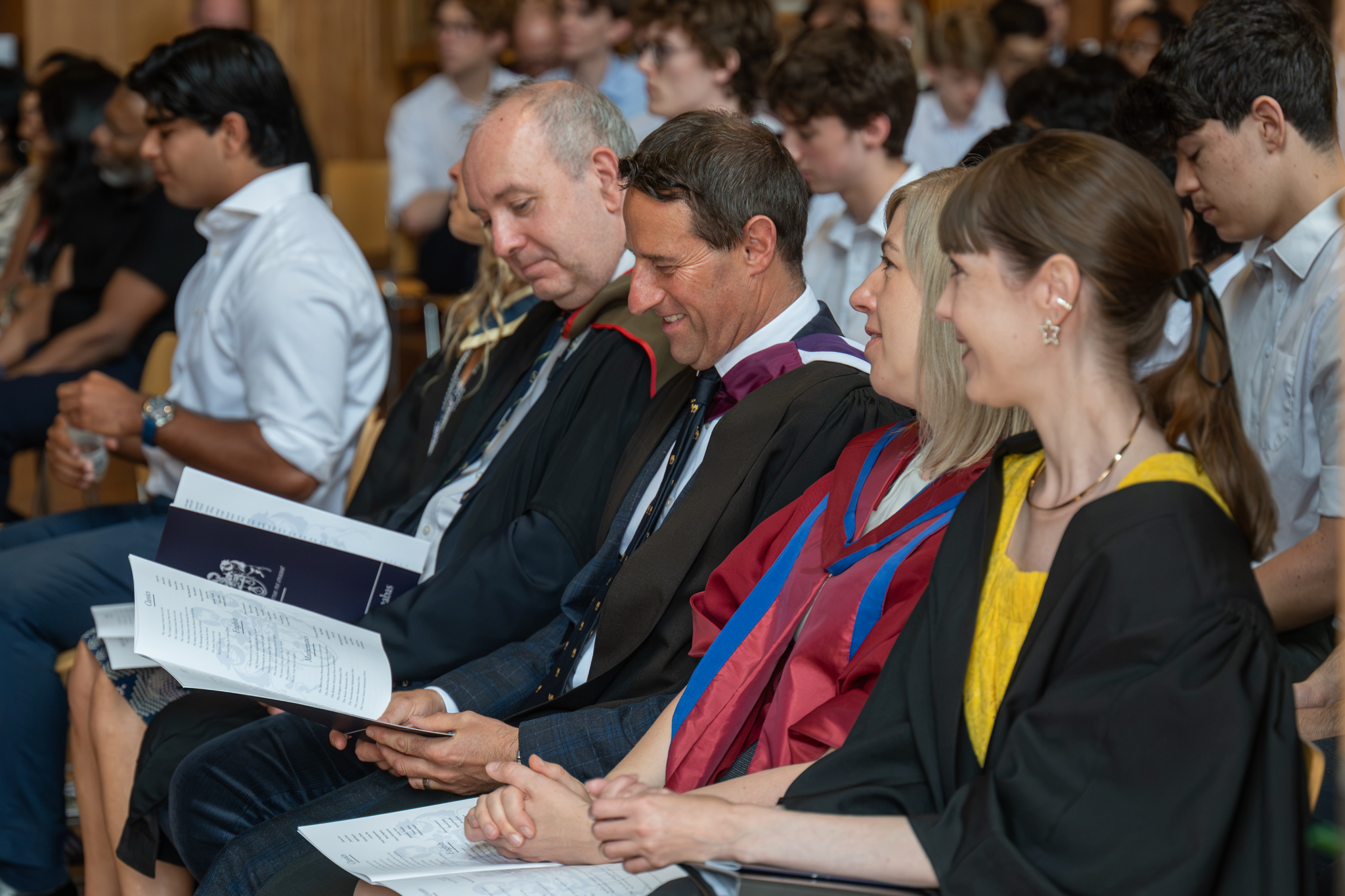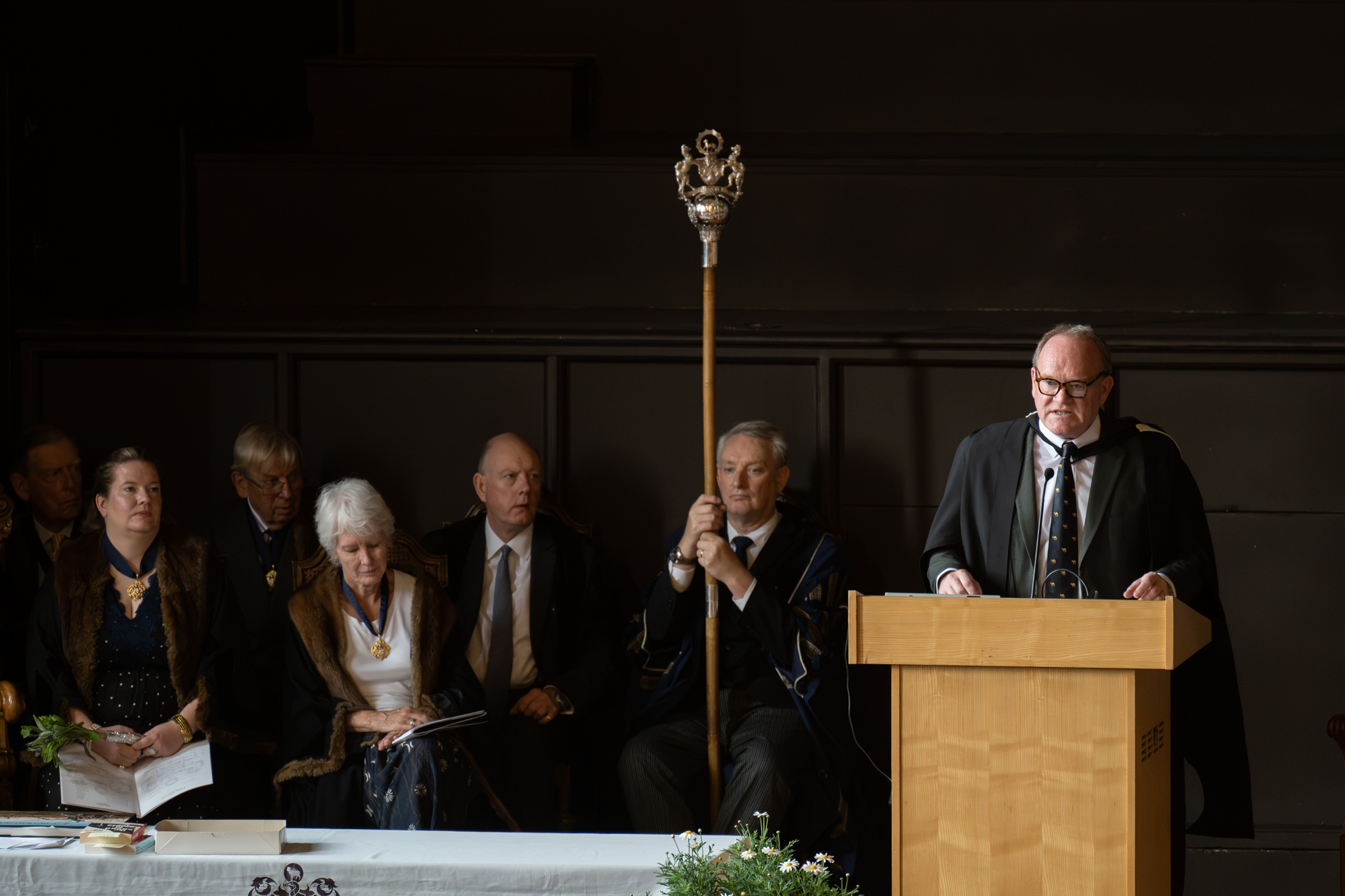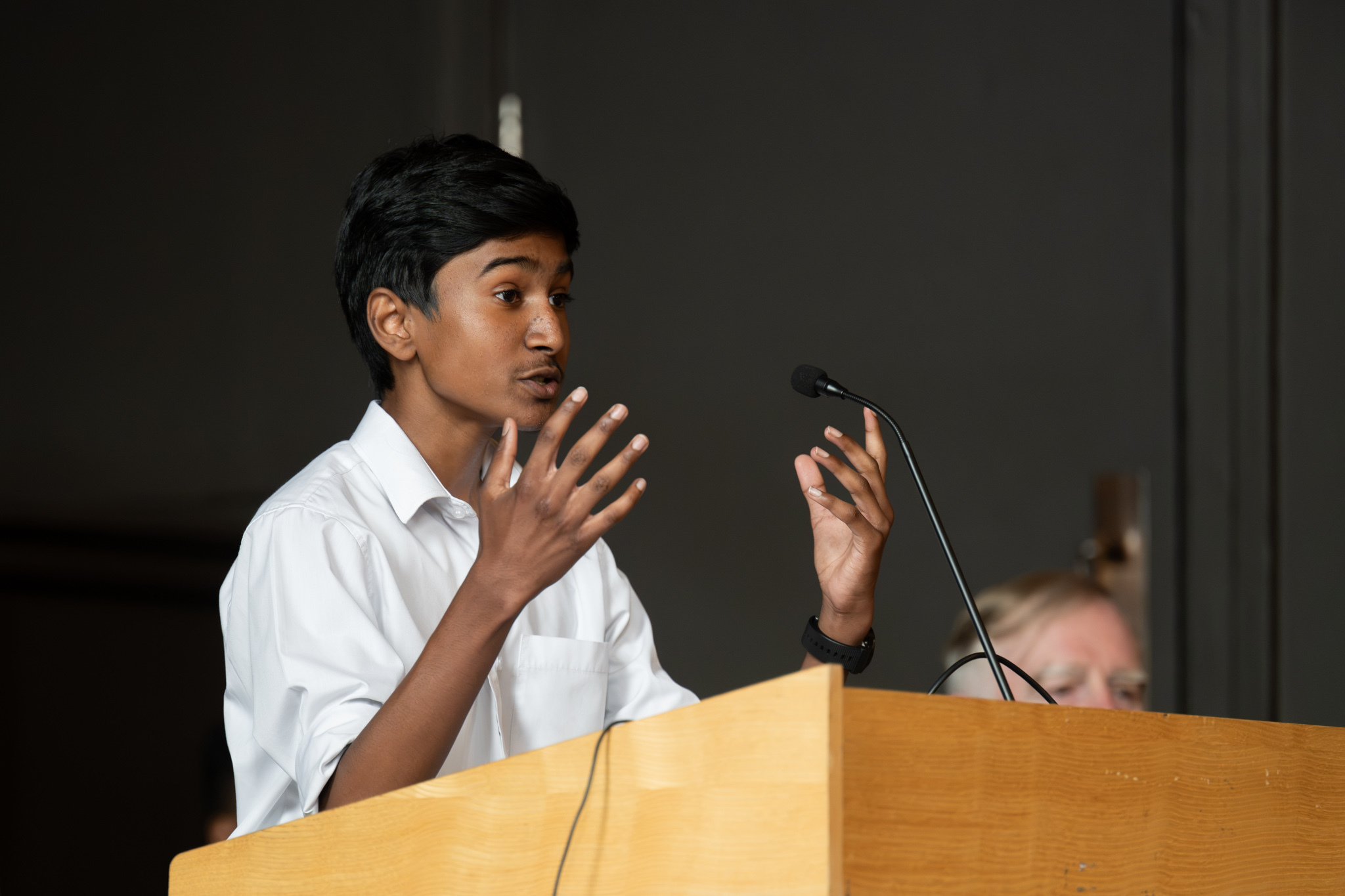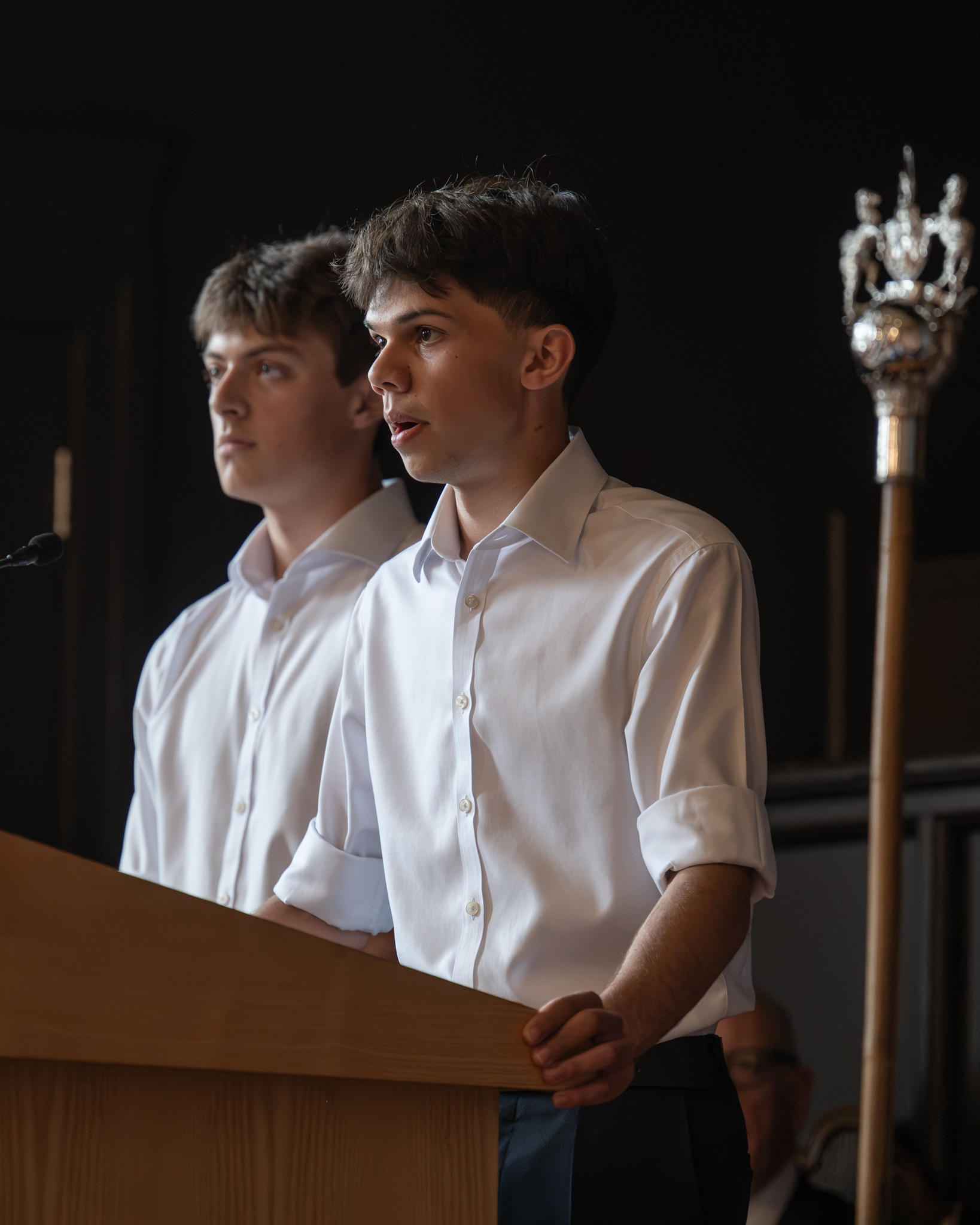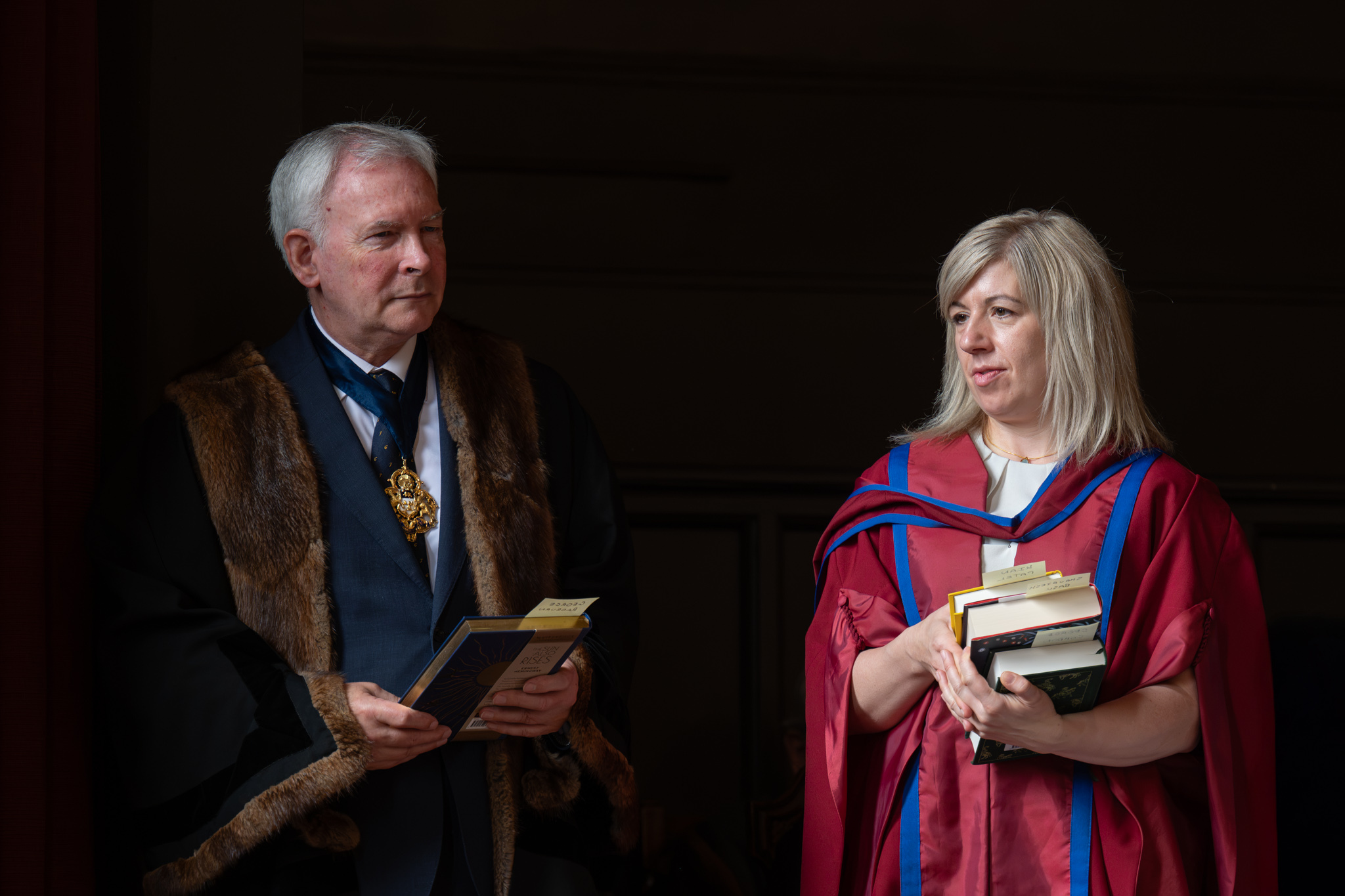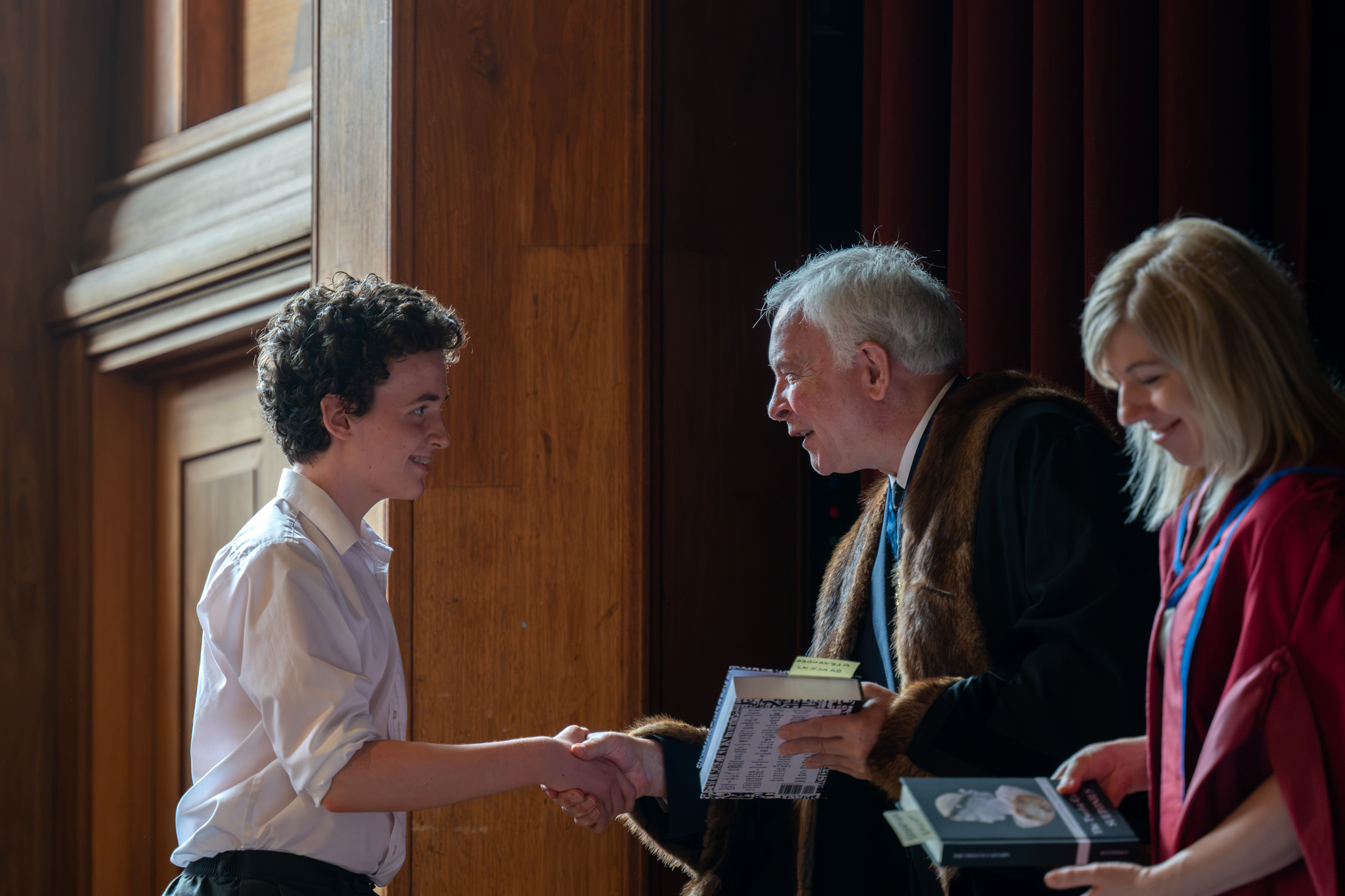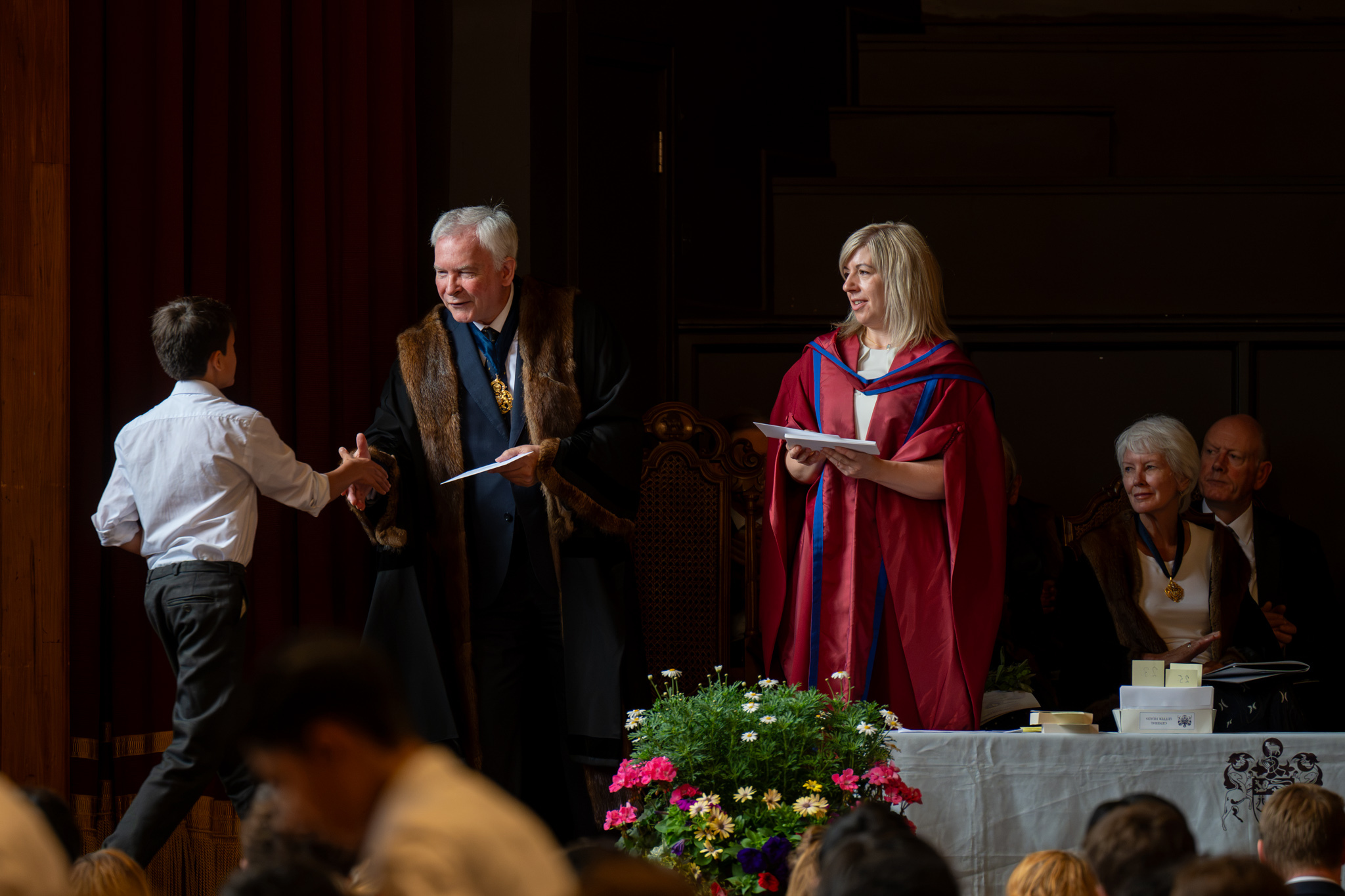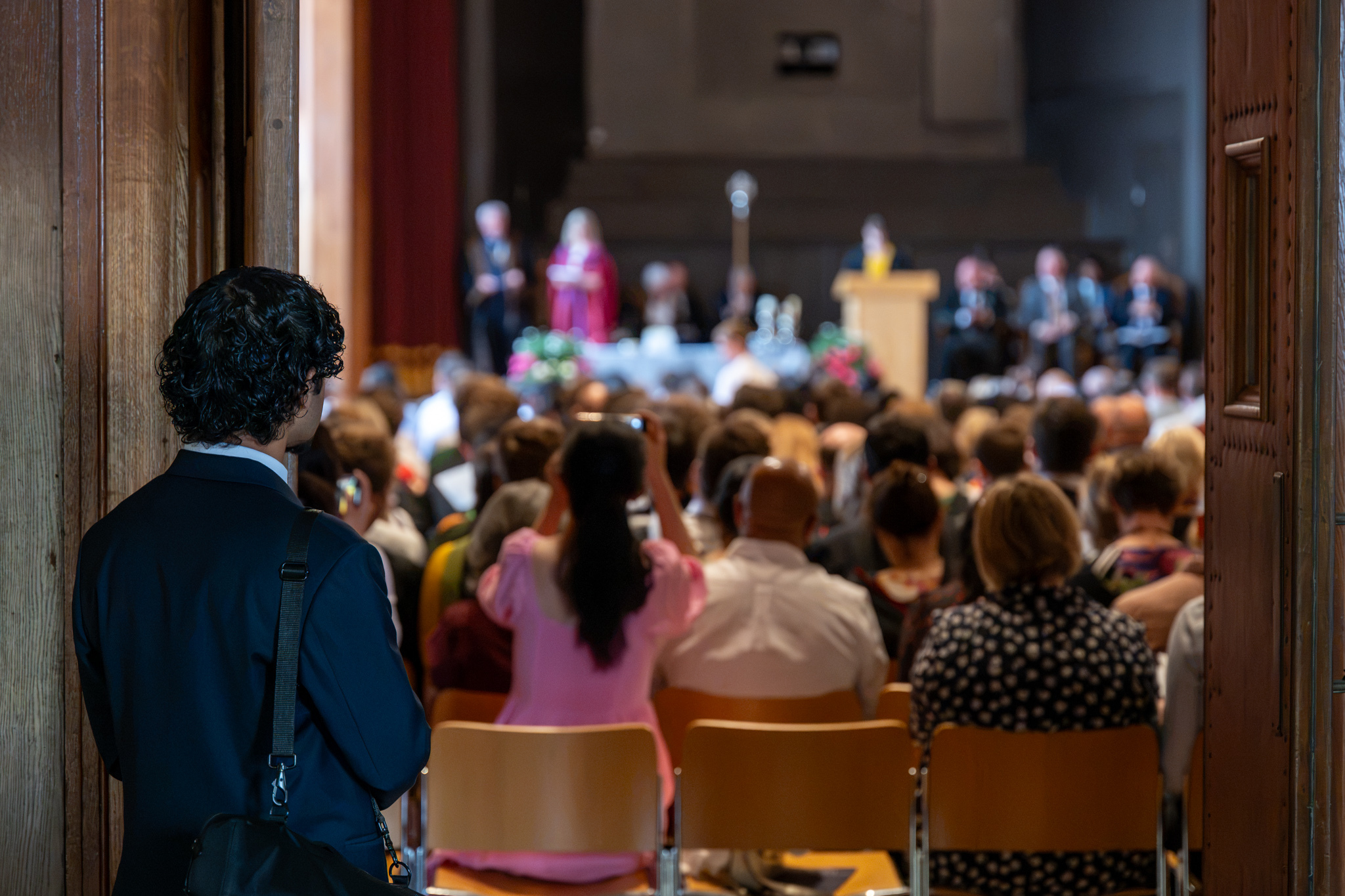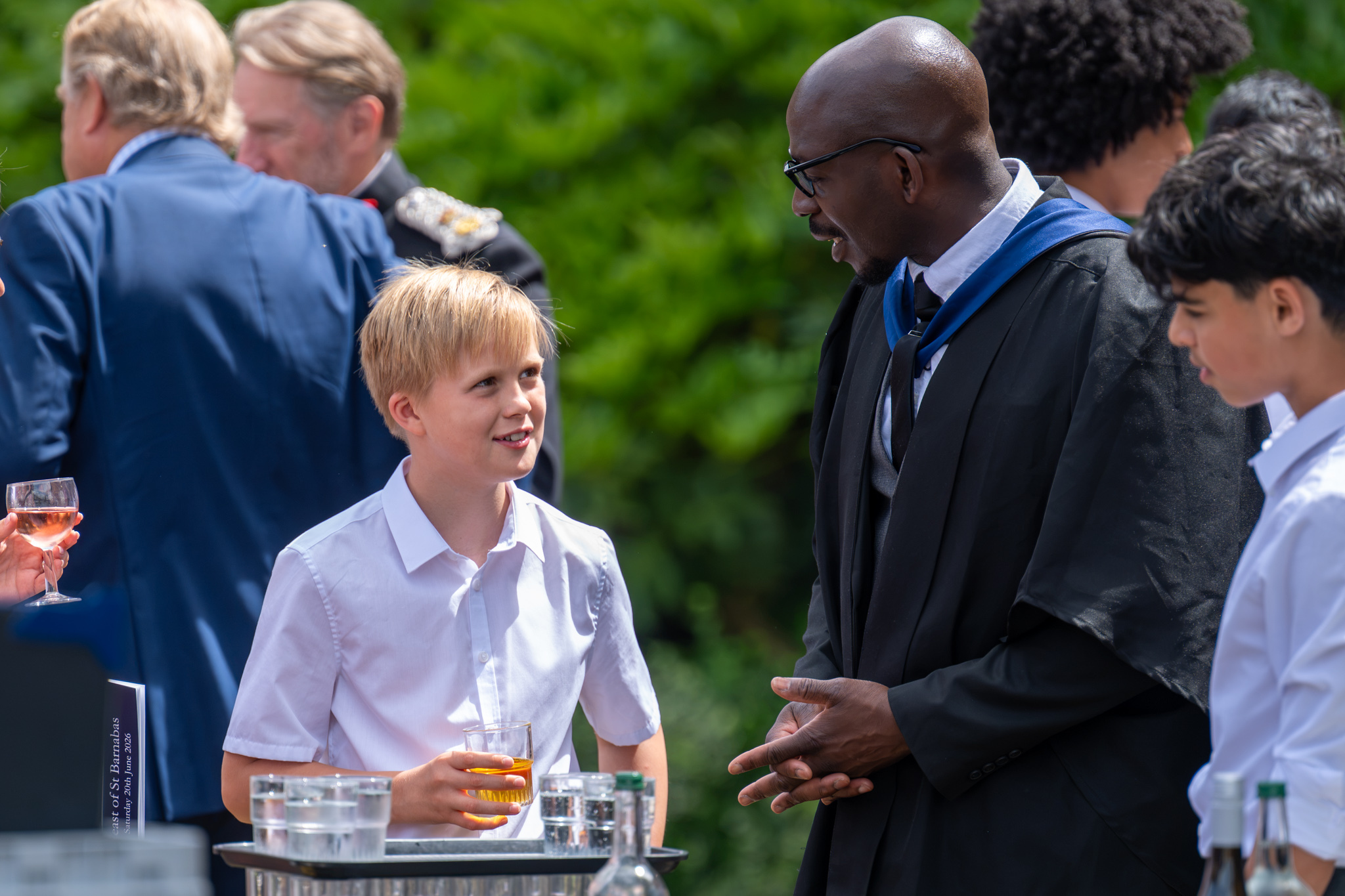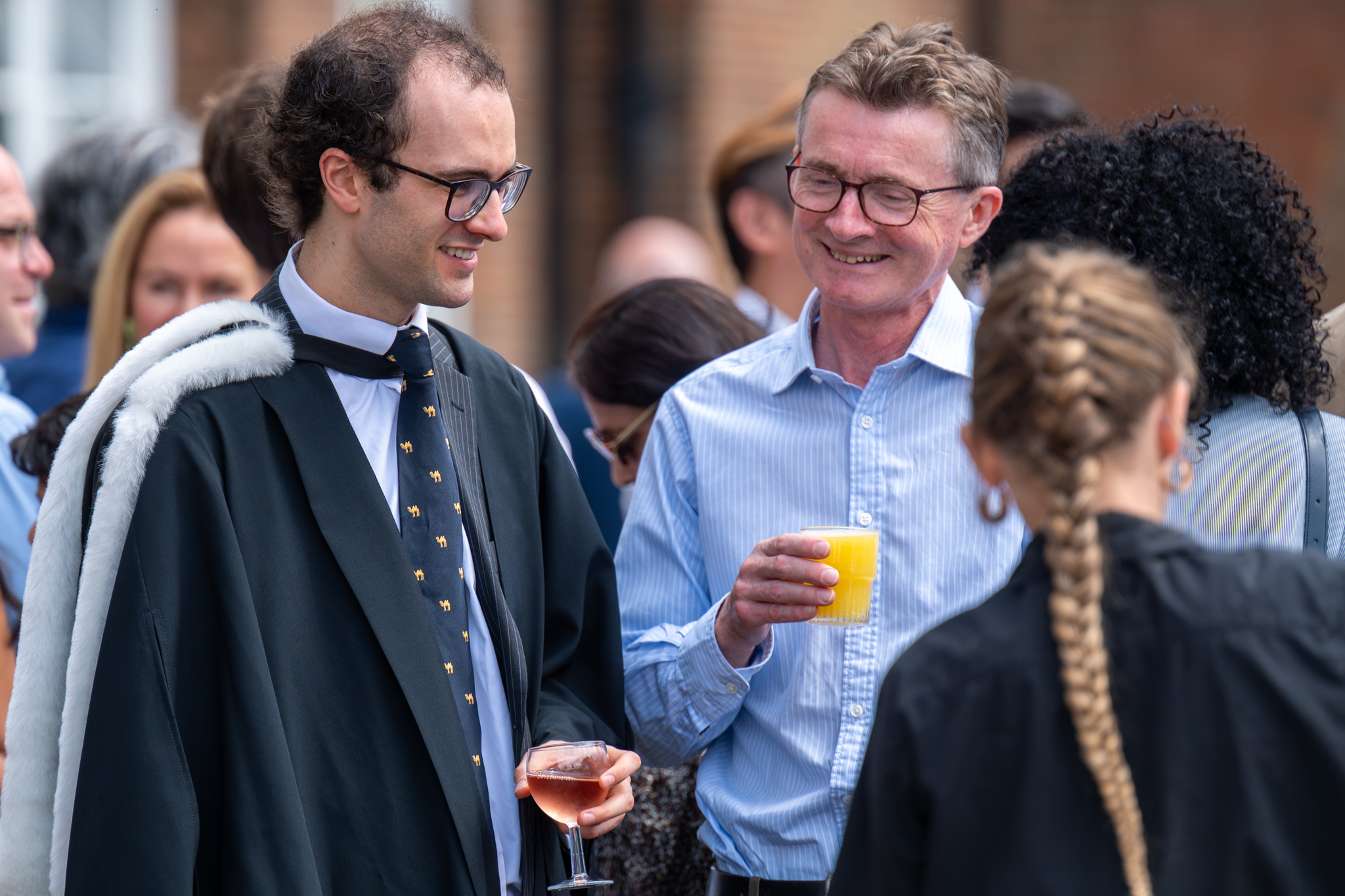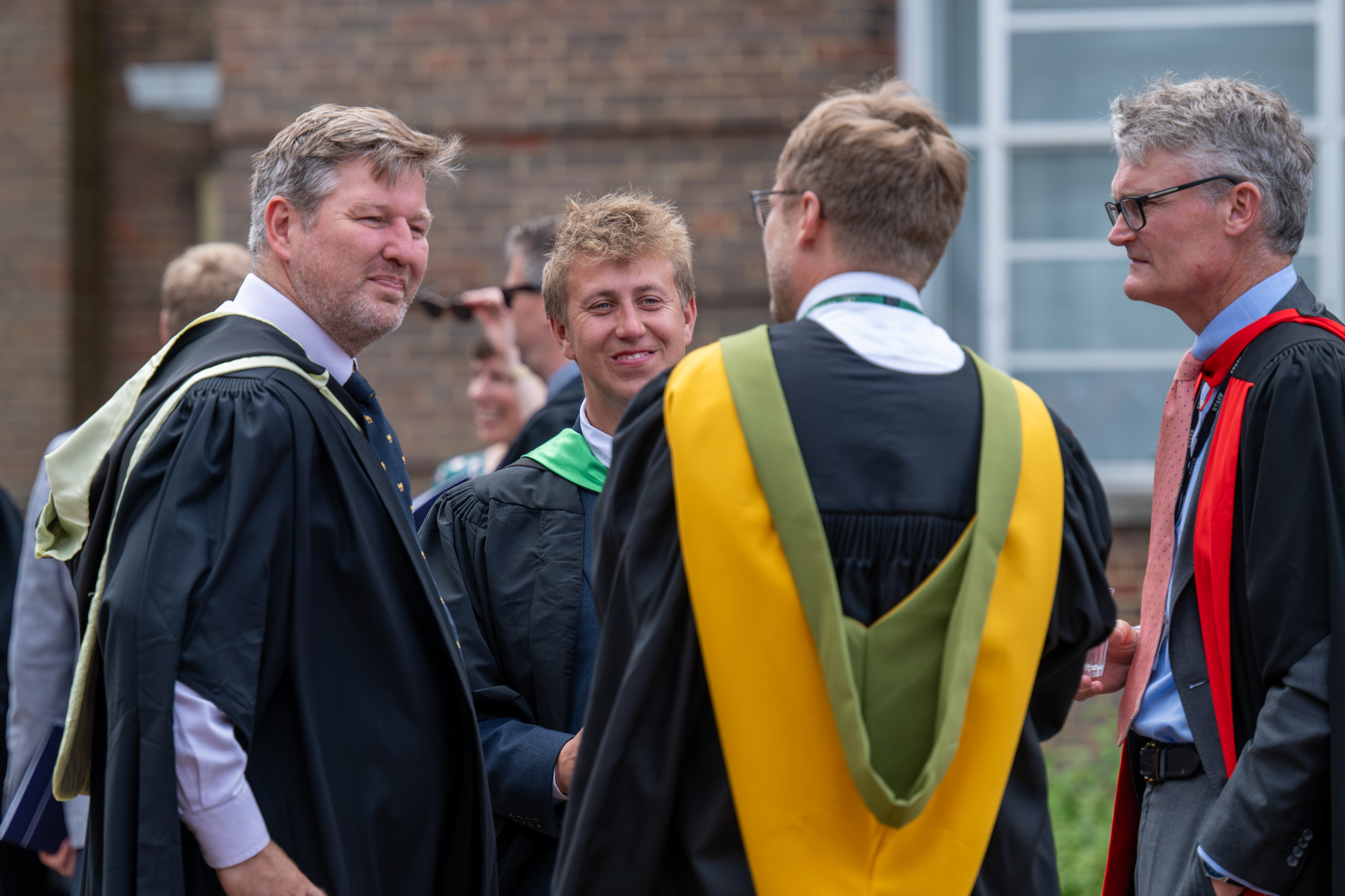

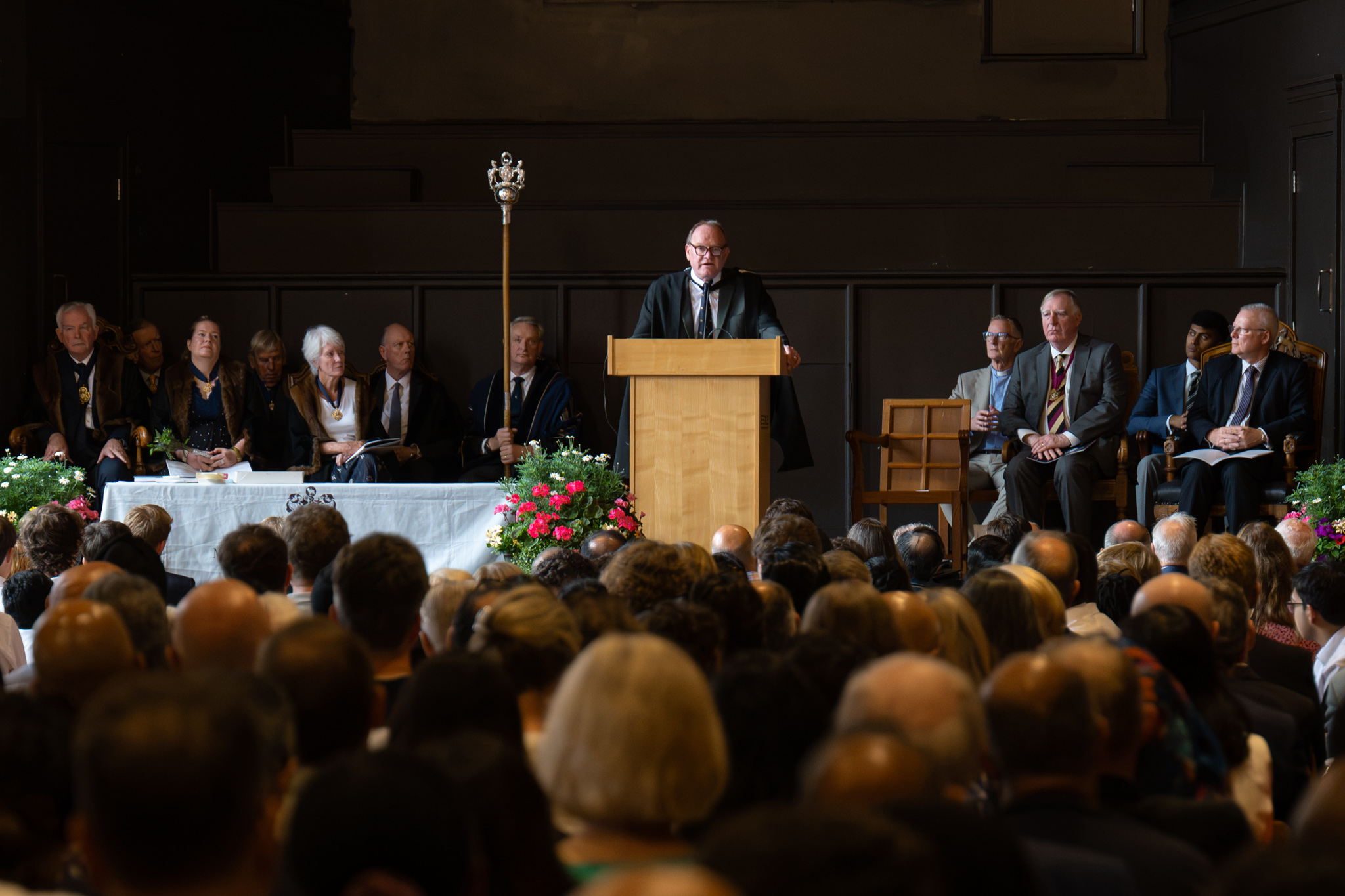
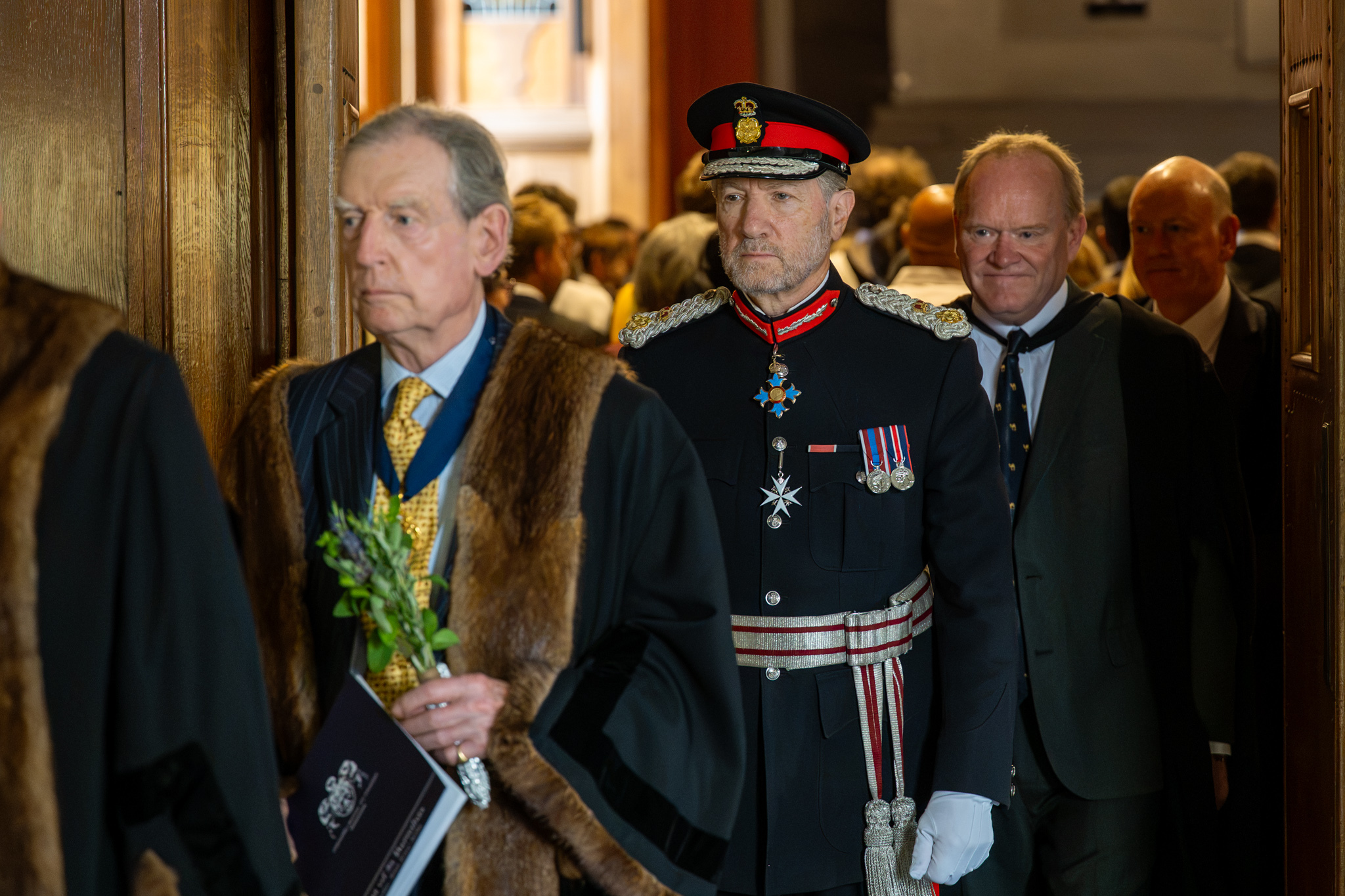
On Saturday 20 June, we hosted our annual celebration of the Feast of St Barnabas. For this year’s event, we were thrilled to welcome the Lord-Lieutenant of Hertfordshire, Robert Voss CBE CStJ, Alderman Sir Nicholas Lyons, President of the OMT Society Alvan Seth-Smith and our Chair of Governors, Commodore Andrew Cree CBE, as well as members of the Court of the Merchant Taylors’ Company to mark the occasion. For those who did not attend, you might enjoy learning about the history behind the ceremony.
The oldest names for the function – Election Day or the Feast of St Barnabas – draw attention to its origins, which are to be found only six years after Merchant Taylors’ School was founded in Suffolk Lane in the City of London in 1561. The original statutes provided that “surveyors” (Inspectors) should visit the school four times a year to examine the work of the boys and the masters, and Doctors’ Day at the close of the Christmas Term is the single survivor from such occasions. Sir Thomas White, who was on the Court of the Merchant Taylors’ Company in 1561, had earlier founded St John’s College, Oxford, but did not provide for the election of scholars from the School to the College until 1567. The first “Election Day” was held at the school on 9 June of 1572, when learned men examined the senior boys, and afterwards there was a dinner at the Hall. No election of scholars took place in 1573 and there was the danger of a breach of relations between the school and St John’s. However, this did not transpire, and the next election was arranged for St Barnabas’ Day, 11 June 1574, when four boys were elected to Sir Thomas White scholarships.
Thereafter the election of scholars at St John’s was fixed for the Feast of St Barnabas, unless that day fell on a Sunday, and the Master, Wardens, and Court of the Merchant Taylors’ Company attended each year together with the President and some of the Fellows of St John’s College. Later on, further closed awards were established at St John’s, together with others at Pembroke Hall (later Pembroke College) Cambridge; subsequent changes to the admissions procedure of Oxford and Cambridge meant that scholarships are now awarded only because of good results in university examinations, so the elections are no longer a regular part of “Election Day”.
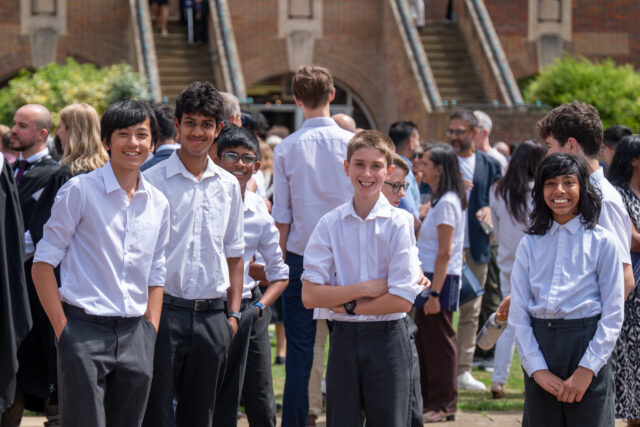
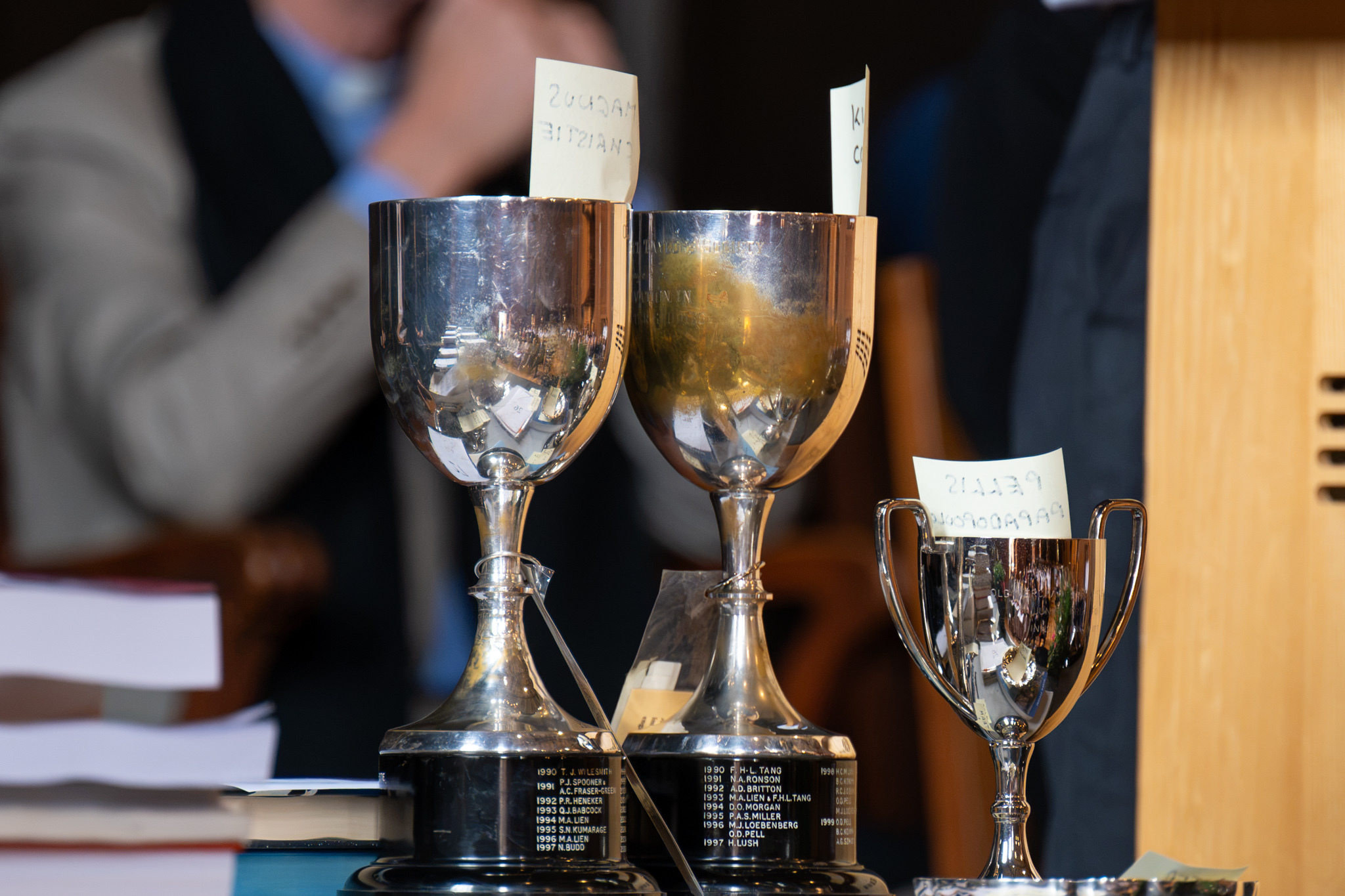
In the nineteenth century, prizes were given out for distinction in Greek and Latin prose and verse, and this “Prize Giving” has, of course, become the central feature of the day. However, it is salutary to remember that a hundred and fifty years ago they were less sought-after than the places on the Prompter’s Benches, which would, in the longer term, determine the seniority, which, in those days, established eligibility for the St John’s scholarships. Those places were decided after three days of examination following the “Feast of St Barnabas”.
Speeches in the modern sense (including that of the Head Master) were not made until the late nineteenth century, but specially composed epigrams in Greek, Latin and English were recited: these are preserved in the manuscript Speech Books and the Latin Speech made by the Head Monitor preserved something of the earlier tradition until the 1990s.
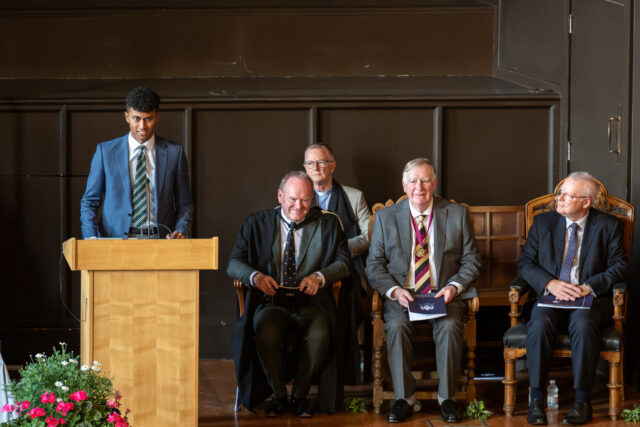
If judged by the large number of guests prominent in public life, the nineteenth century Speech Day was a particular feature of the calendar of the London Season. By the early twentieth century, the day was quite a big event, with excerpts from plays and athletic displays added to the programme during the Charterhouse Square era. Speech Day was curtailed during the First World War and (understandably) abandoned temporarily in 1940, whilst in 1931 the speechmaking and prize giving were held a day early, on 10 June, so that the foundation stone of the present school could be laid here at Sandy Lodge on St Barnabas Day itself.
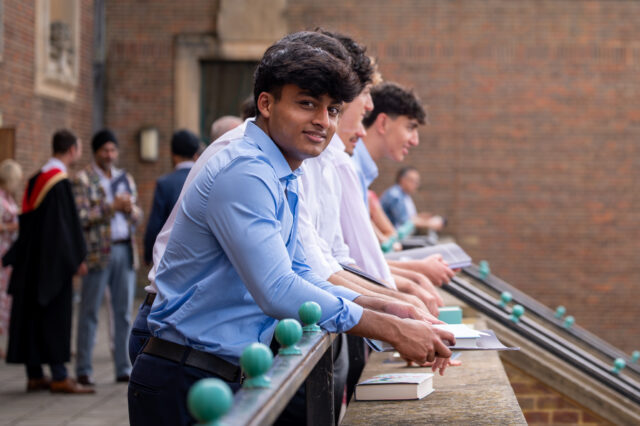
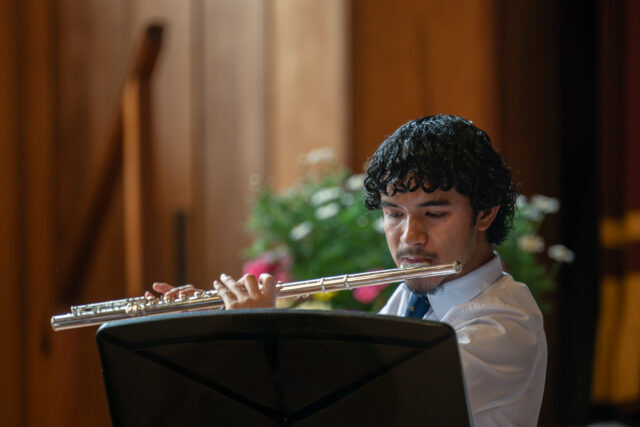
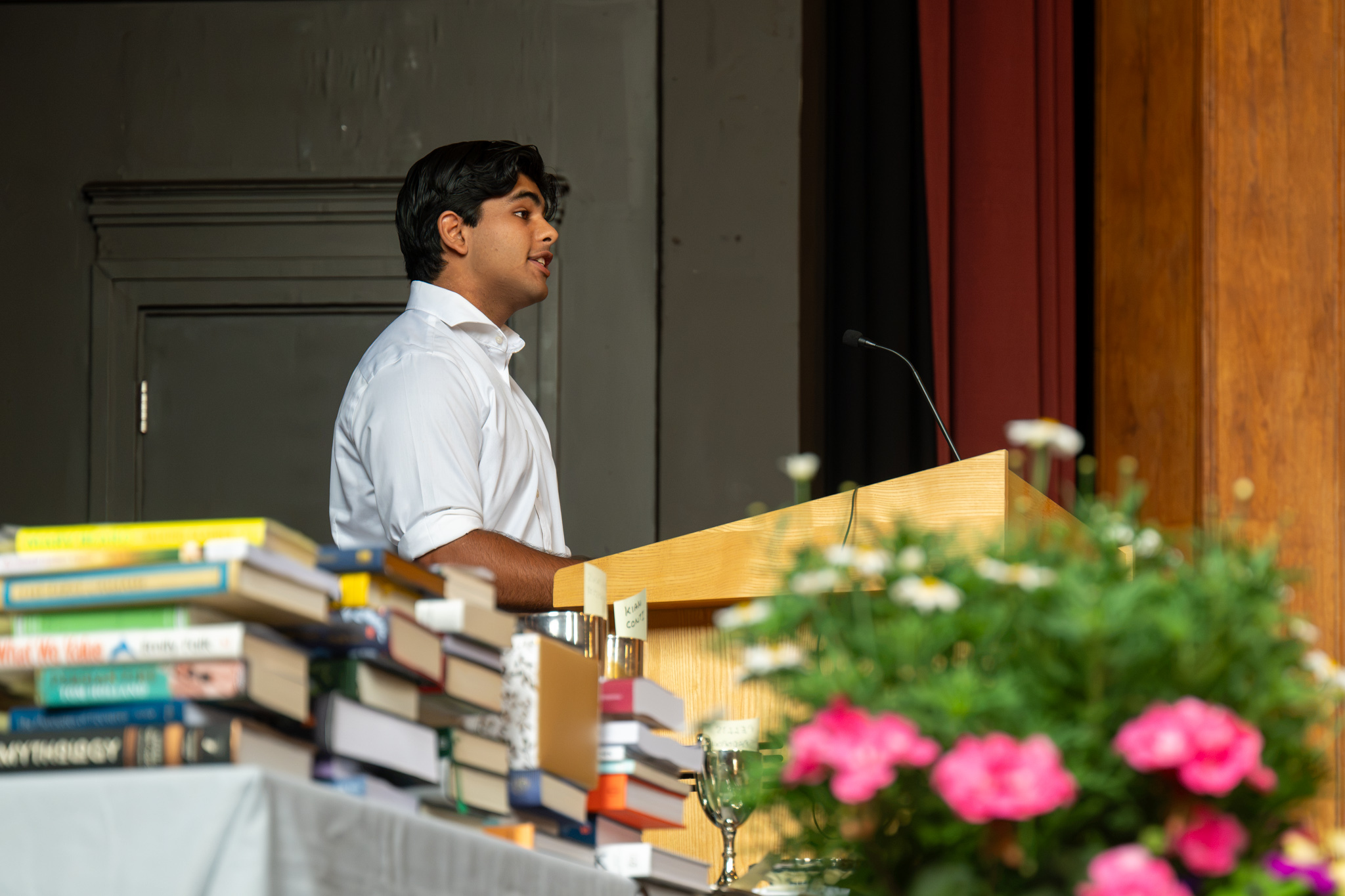
St Barnabas Day has changed a great deal over the centuries, but we continue to welcome distinguished guests, the prizes are awarded, and musical and other items are performed. We always conclude the function in the same traditional manner, with the singing of the School Song and the National Anthem.