
Writes Joshua R. (L6ths)
Shoreditch:
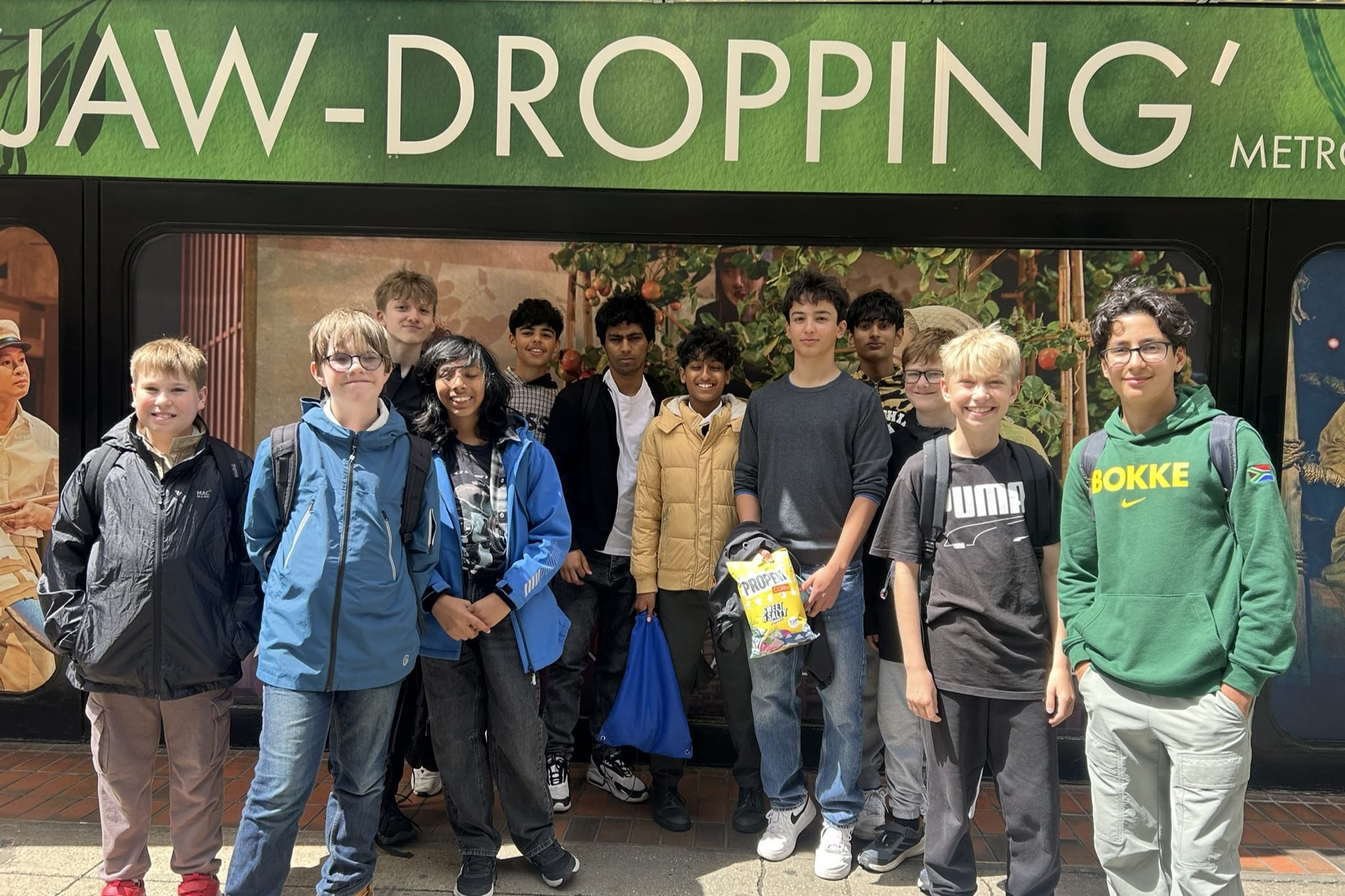
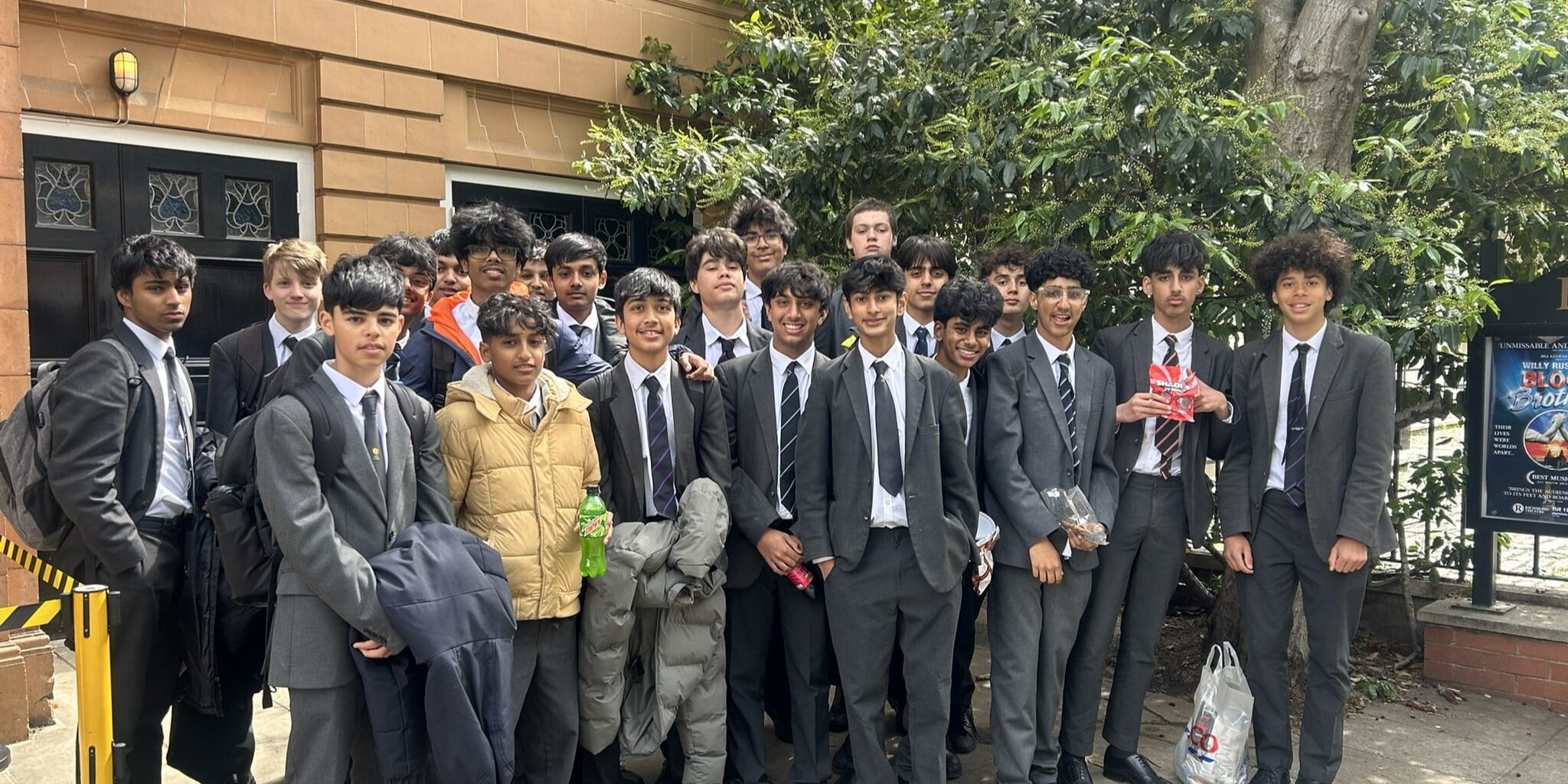
On the 18th of May, 22 Lower Sixth Geographers navigated themselves to Old Street station to spend the day exploring Shoreditch and the surrounding area as part of our A Level course. Our intention was to understand how Shoreditch has changed and developed over time into a place that is now renowned for its youthful energy and dynamic street art scene. Our area of study stretched from Old Street roundabout, through Shoreditch High Street, all the way to Brick Lane and Spitalfields market.
As part of our research, we used ethnographic methods, whereby we immersed ourselves in the community in order to examine the urban environment in greater detail, considering vertical urbanism and the types of users of the environment that we observed in the area. This helped us to determine the significance of the roles of gentrification and economic change in the area’s development, as well as the difference between street art and graffiti and their respective roles in facilitating the diffusion of political messages.
We pressed on after a quick pit stop for lunch at the celebrated and thankfully largely empty bagel shop on Brick Lane, using land use maps and photos of palimpsests to observe and compare the changes in the built environment, before ending our trip at Spitalfields market to consider the shift in retail activities, from what was once London’s primary fruit and vegetable market to now a privately owned and managed retail area. Overall, we gained a much-valued insight into both the changes occurring and their impacts over a wide and diverse range of areas.
Isle of Wight:
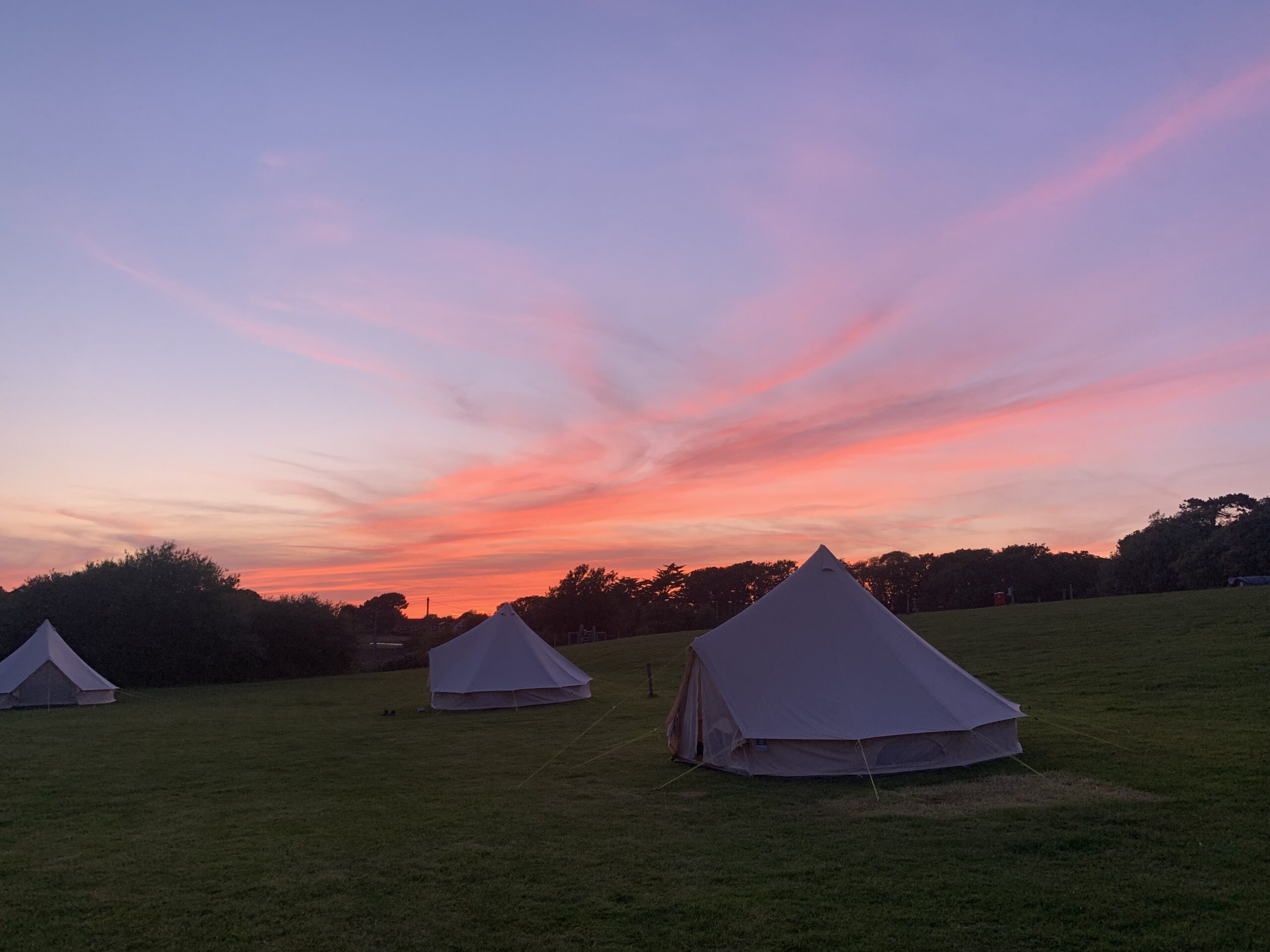
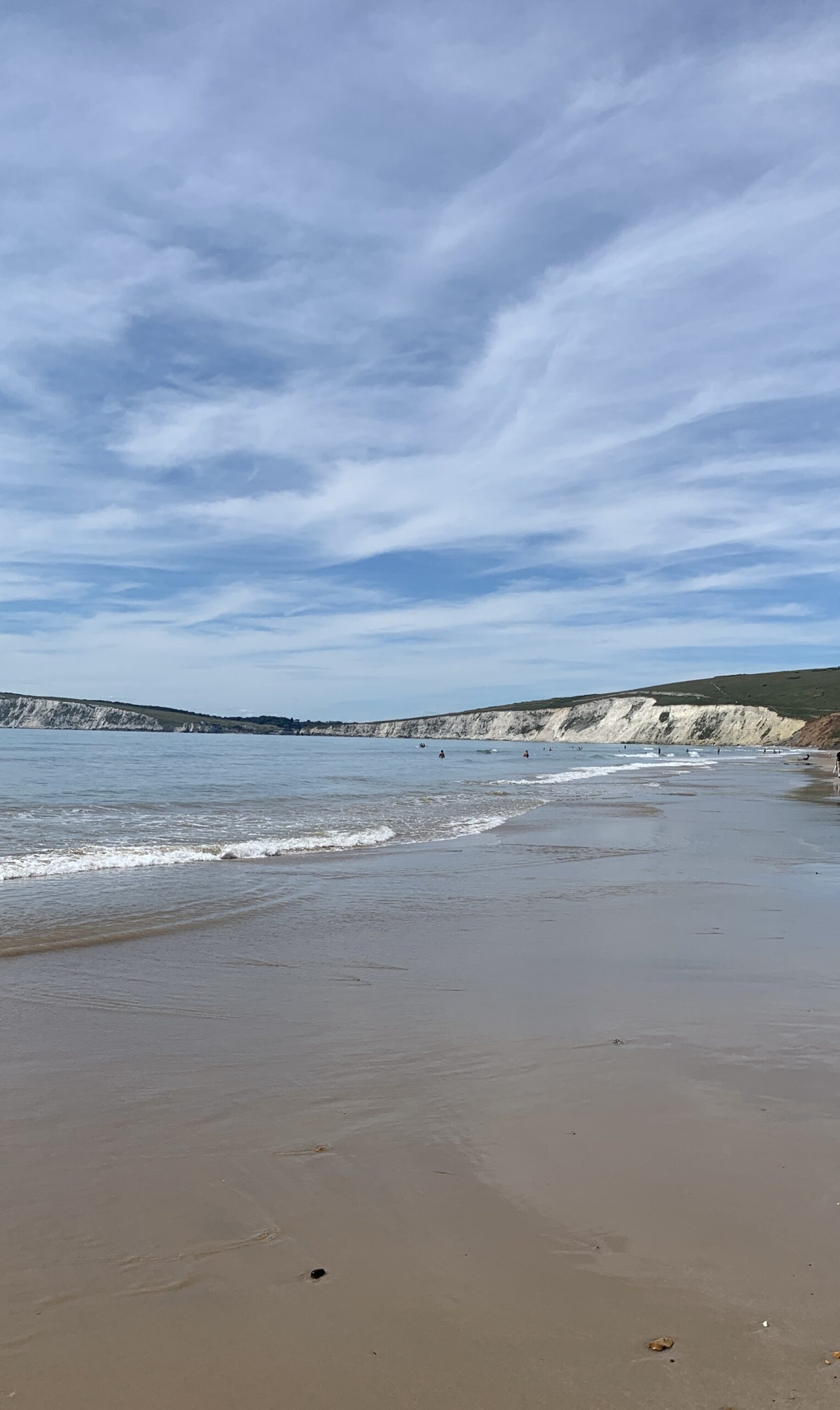
On Sunday, 22 intrepid (if slightly sleepy) Geographers then piled onto two minibuses to zip down to the Isle of Wight for our second and final geography trip. After arriving mid-afternoon, we visited all three proposed fieldwork sites – Totland Bay, Compton Bay & Freshwater Bay – to help us decide on which to collect data over the following two days. We made our way back to the campsite, in which we were fortunately glamping and not camping, much to everyone’s relief. After meeting our hosts and our Flooglebinder trip organisers Rob and Andrea, we ate a scrumptious homemade meal of bolognese and hit the hay in preparation for an early start.
The following day, two groups set off to their chosen locations to begin their data collection. For me, this consisted of collecting rock sediment samples, recording their dimensions and measuring the gradient of the beach, along with conducting environmental conditions like wind speed, to evaluate their role in shaping the beach profile.
The heat was punishing but tolerable, and despite the physical demands of our work, we were driven and motivated by the need to collect strong and reliable primary data. Once we were in the rhythm of our tasks, the experience became genuinely enjoyable and provided valuable first-hand insight into what geographical fieldwork involves at degree level and beyond. We rounded off the day with a well-earned meal of fresh pizza and a chance to relax after our efforts.
The trip was a huge success and I’m sure all students extend their gratitude towards the teachers and trip organisers who helped to make it all run smoothly.